Scalp Fungal Infections in Monsoon: Signs, Causes, and Natural Treatment
Liquid error (sections/article-template line 266): The format option 'month_day_year' is not a supported format.
Juicy Chemistry

You know the feeling. It is 43 degrees outside, your hair is plastered to your head, and your scalp feels like it is hosting its own little sauna. The itch, the grease, the faint whiff of something you would rather not acknowledge. Heat waves do not just test your patience; they test your scalp.
The good news? A few smart, gentle shifts in your routine can help you ride out the worst of summer without your scalp staging a full revolt. Let us talk about what actually happens up there when temperatures spike, and more importantly, what you can do about it.

Your scalp has one of the highest concentrations of sebaceous glands on your body. When temperatures climb, these glands can go into overdrive, producing more oil than your hair can handle. Pair that with sweat pooling at the roots, and you have got a recipe for buildup, irritation, and that persistent scalp itch from sweat that no amount of scratching seems to fix.
Research published in the Journal of Biological Sciences highlights how scalp hair plays a role in thermoregulation, helping to buffer heat from solar radiation. But when sweat, sebum, and environmental grime accumulate on the scalp surface, that natural cooling mechanism can get a bit overwhelmed.
This is also why scalp odour in summer tends to creep in. Bacteria thrive in warm, moist environments, and a sweaty scalp is essentially an all-you-can-eat buffet for them. It is not a hygiene failure; it is just biology doing its thing in the heat.
Here is where most people get tripped up. When your scalp feels greasy, the instinct is to wash it every single day. But over-cleansing can strip your scalp of its natural oils, prompting it to produce even more sebum to compensate. It is a frustrating cycle.
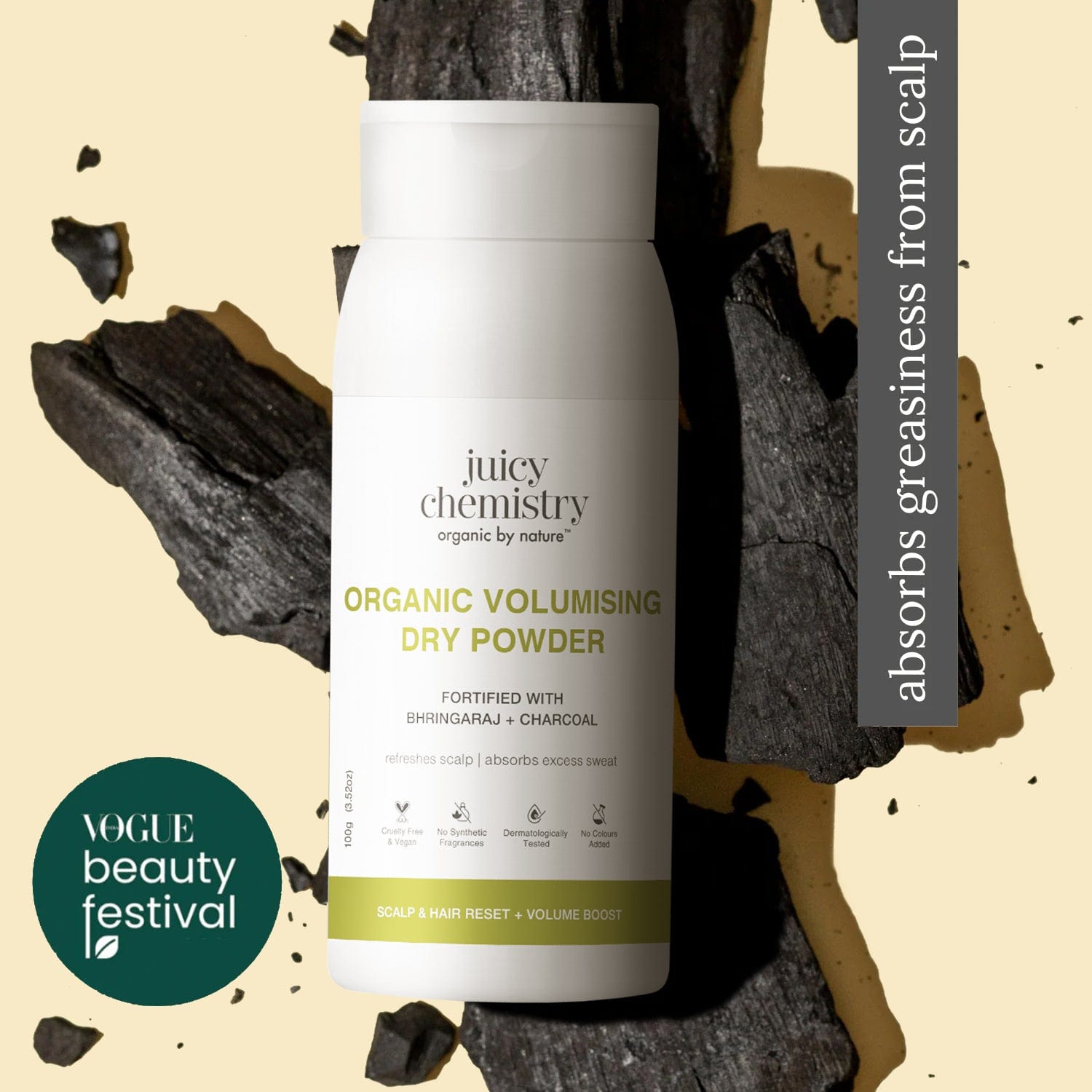
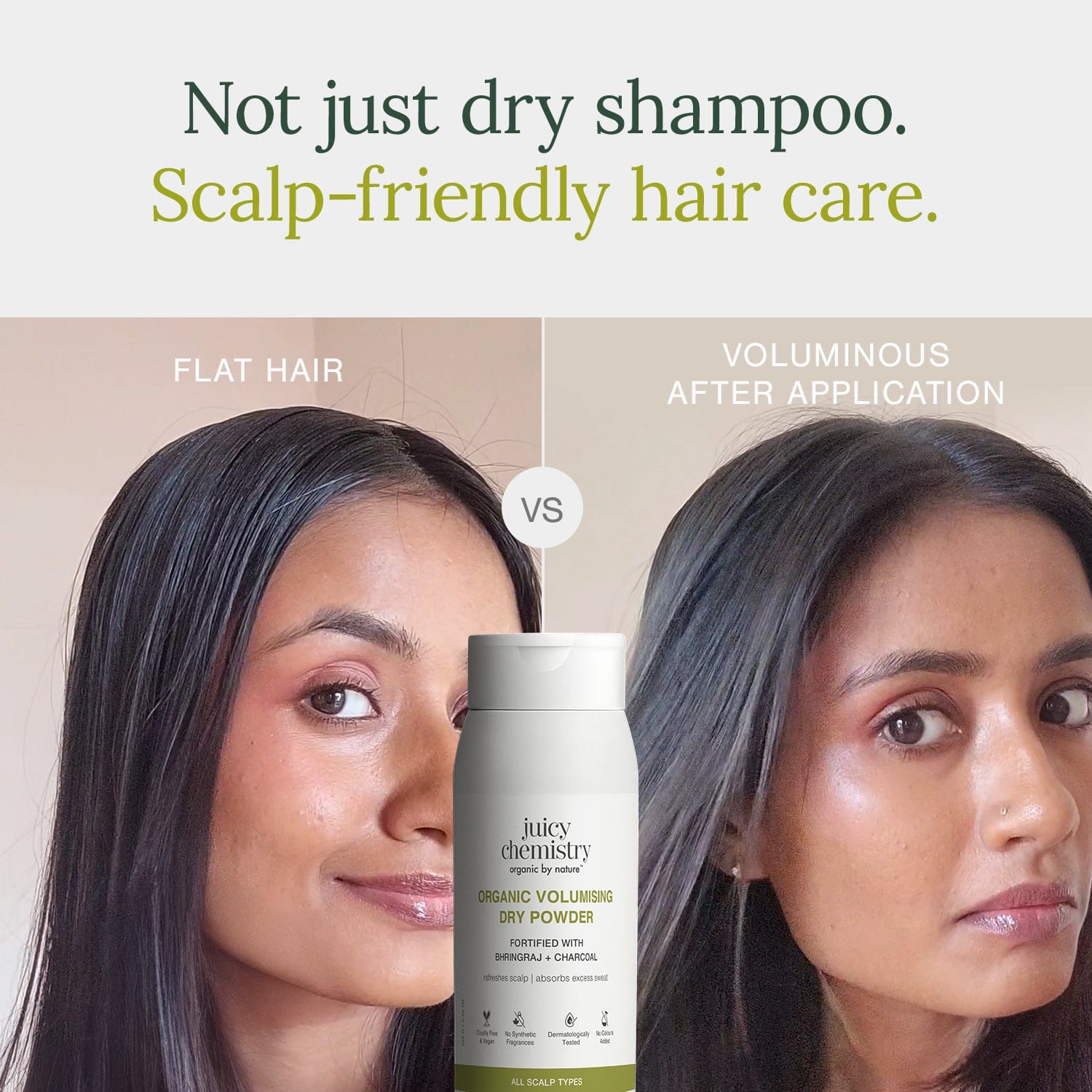
If you are wondering how to clean oily scalp the right way, think gentle and consistent rather than aggressive. Washing two to three times a week with a mild, sulphate-free shampoo can help maintain balance without triggering reactive oiliness. On the days in between, a dry shampoo for sweaty scalp situations can be a genuine lifesaver. Look for powder-based formulas with oil-absorbing ingredients like activated charcoal or rhassoul clay, which may help soak up excess oil and sweat without leaving heavy residue.
A lukewarm or cool rinse at the end of your wash can also help soothe an overheated scalp. Hot water, tempting as it might be in the monsoon months, can actually increase irritation.
Absolutely. We slather sunscreen on our faces, necks, and arms, but the scalp, particularly along the parting line, is often completely exposed. Prolonged UV exposure on unprotected skin may contribute to dryness, flaking, and sensitivity.
If you are thinking about how to protect scalp from sun, the simplest step is covering up. Wide-brimmed hats, cotton scarves, or even just switching your parting line regularly can help reduce direct exposure. Limiting time outdoors during peak hours (roughly noon to 3 PM) is another practical move.
For scalp sunburn treatment, gentle care is key. A cool compress, a mild wash, and avoiding any harsh products on the affected area while it heals can go a long way. If the area feels particularly sensitive, skip heat styling tools and heavy oils until things calm down. For more on protecting your hair from sun and frizz, a seasonal hair care guide can be genuinely helpful.
Scalp acne from heat is more common than most people realise. When sweat and oil clog the follicles, small bumps or pimples can appear, especially along the hairline and nape. Tight hairstyles, heavy styling products, and infrequent washing can all make this worse.
The fix? Keep things breathable. Loose braids, low buns, and letting your hair down when you are at home can help your scalp air out. Choosing lightweight, water-based products over thick creams and serums may also help reduce congestion.
Your lifestyle plays a role too. Staying hydrated, eating cooling foods like cucumber and watermelon, managing stress, and getting enough sleep all support scalp health in extreme heat from the inside out. No topical product can fully compensate for dehydration or poor nutrition.
Think of your summer hair care routine as a lighter, more breathable version of your regular one. Here is a simple framework for sweaty scalp care during peak summer:
Wash gently, two to three times a week, focusing on the scalp rather than the lengths. On non-wash days, a dry shampoo with charcoal and Bhringaraj can help absorb excess oil and refresh your roots without water.
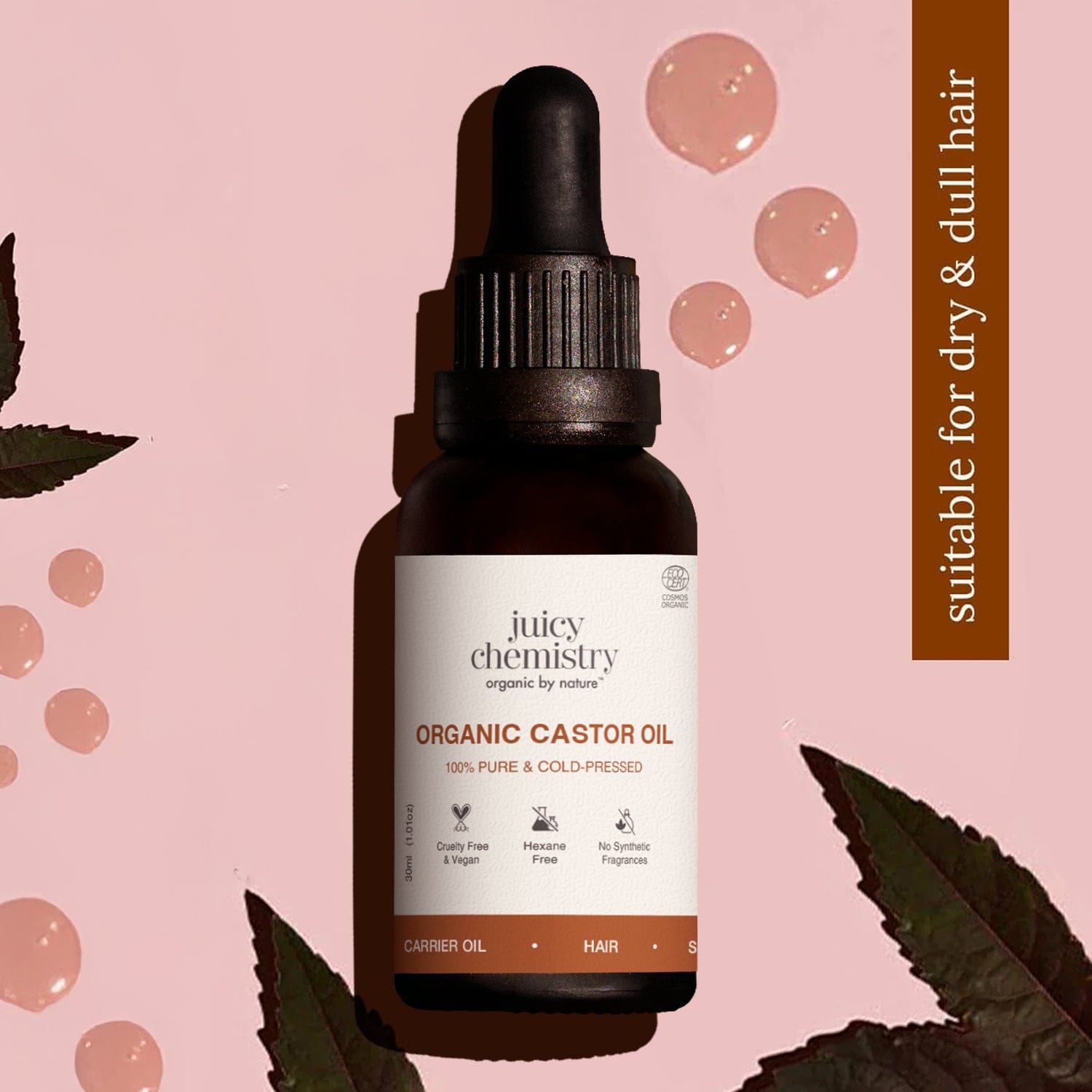
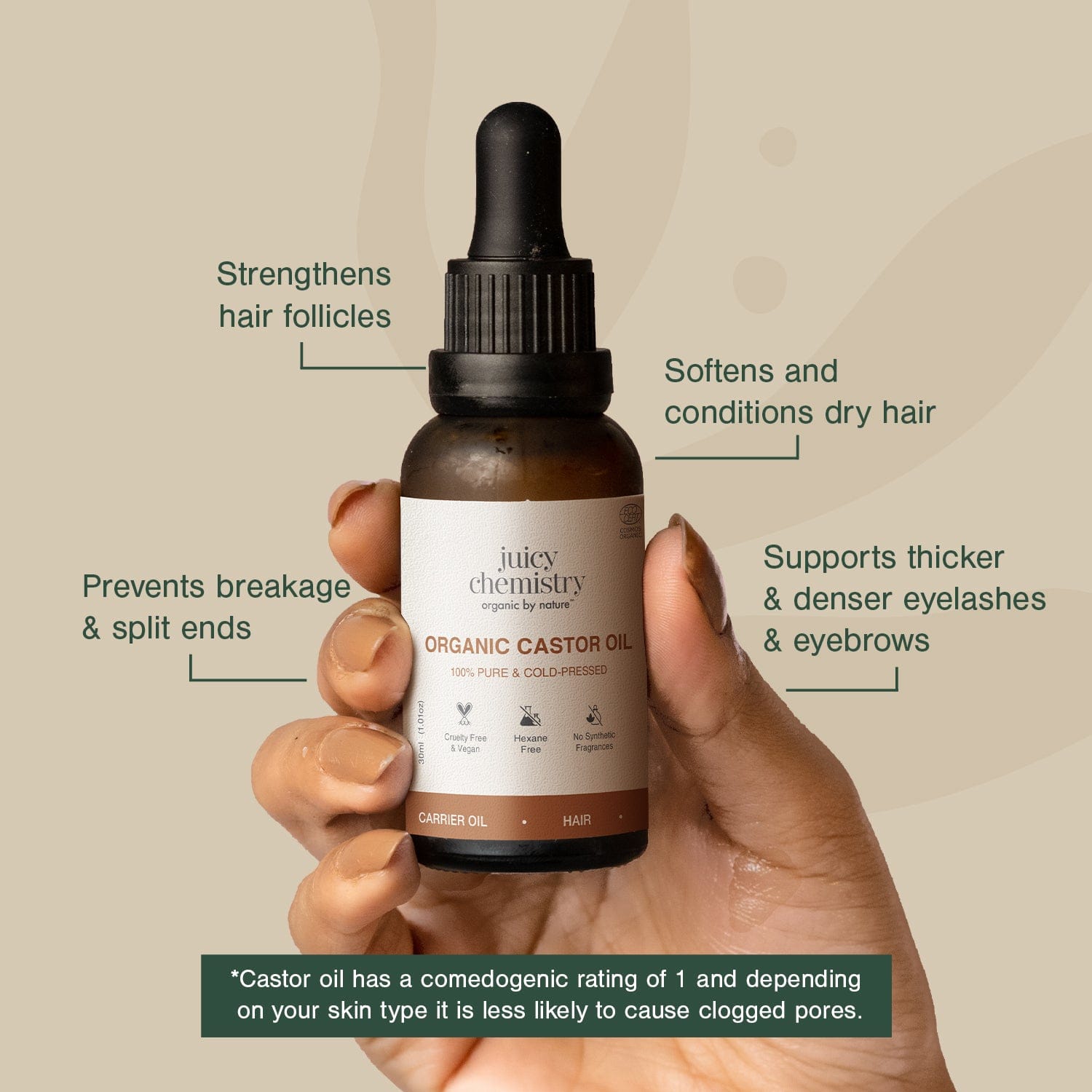
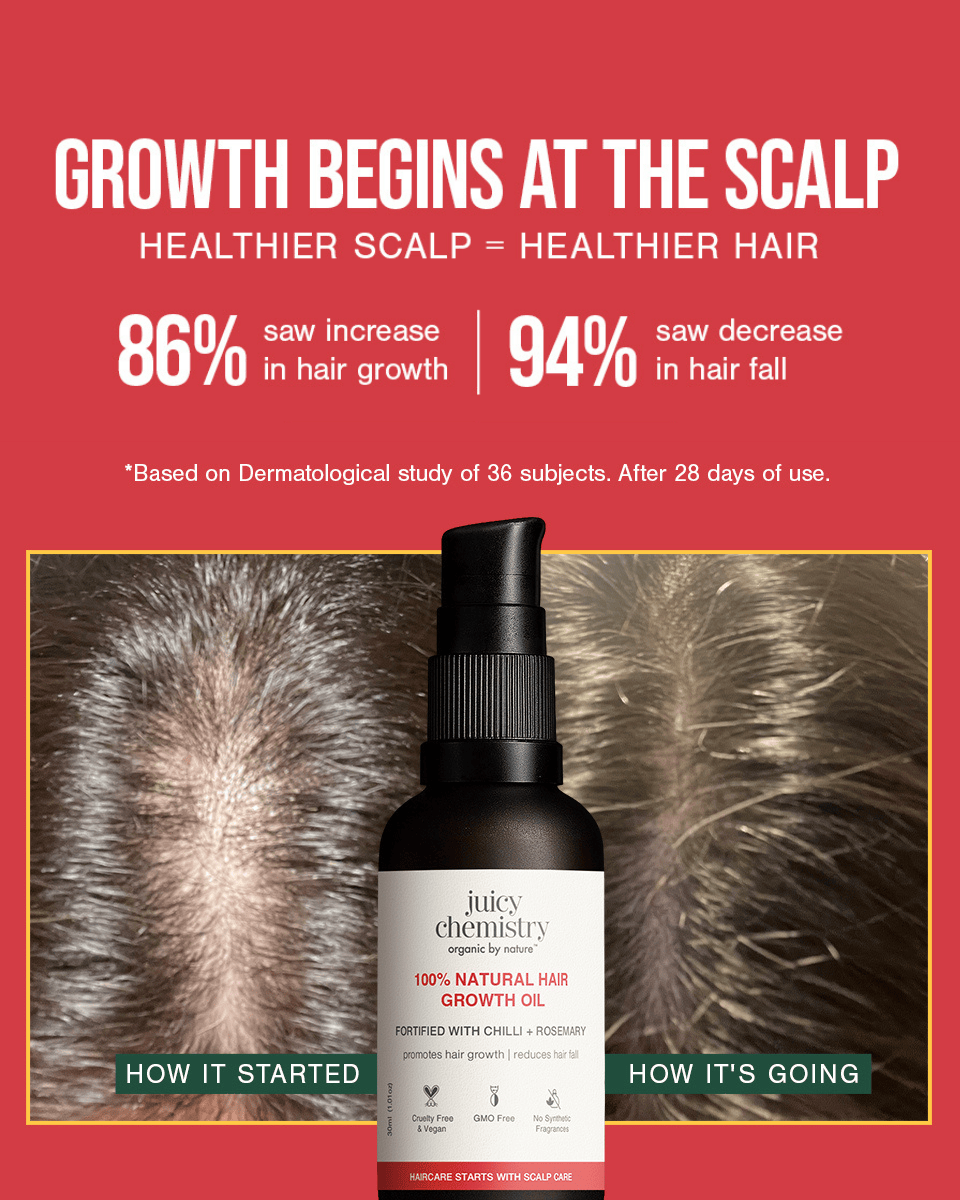
When it comes to oiling, less is more in the heat. Instead of heavy, overnight applications, consider a lighter approach. A targeted hair oil with scalp-stimulating ingredients like chilli and rosemary may help support circulation when used for a short pre-wash massage. The full range of organic hair oils can help you find something that suits your hair type without weighing it down.
If you notice more shedding than usual during or after a heat wave, that is not uncommon. Seasonal transitions can temporarily affect the hair growth cycle. A lightweight, leave-in scalp serum with peptides and plant stem cells may help support follicle health as part of your post-wash routine.
Scalp care heat wave strategies work best when they are part of a broader lifestyle approach. The most expensive serum in the world cannot outperform basic self-care. Drink your water. Eat your greens. Sleep before midnight. Manage your stress. These things genuinely matter for your scalp just as much as they do for your skin.
Seasonal transitions are also a great time to simplify. If your bathroom shelf looks like a small pharmacy, summer might be the perfect excuse to pare things back. Your scalp, like the rest of your body, often responds best to a gentle, consistent routine rather than a complicated, product-heavy one.
You have got this. Your scalp is resilient, and with a few thoughtful adjustments, it can handle even the most relentless heat wave.

Q: How often should I wash my hair during a heat wave?
A: Two to three times a week with a gentle, sulphate-free shampoo is typically enough for most hair types. Over-washing can strip natural oils and trigger more sebum production, so balance is key.
Q: Can sweat cause scalp acne?
A: Sweat mixed with excess oil and product buildup may clog follicles, which can sometimes lead to small bumps or irritation. Keeping the scalp clean and avoiding heavy styling products can help.
Q: Is it okay to oil my hair in extreme heat?
A: Yes, but lighter and shorter applications tend to work better in summer. A quick pre-wash scalp massage with a lightweight oil can be beneficial without causing excess buildup.
Q: Why does my scalp smell worse in summer?
A: Warm, moist conditions can encourage bacterial activity on the scalp, which may contribute to odour. Regular, gentle cleansing and using a dry shampoo between washes can help keep things fresh.
Q: How can I protect my scalp from sunburn?
A: Wearing a wide-brimmed hat or cotton scarf is the most effective approach. Switching your parting line regularly and limiting direct sun exposure during peak hours can also help reduce the risk.


Shop Now