Scalp Fungal Infections in Monsoon: Signs, Causes, and Natural Treatment
Liquid error (sections/article-template line 266): The format option 'month_day_year' is not a supported format.
Juicy Chemistry

As we step into 2026, hair care advice floods our feeds daily. From viral TikTok hacks to generational wisdom passed down through families, it's increasingly difficult to separate hair care facts from myths. While some traditional practices hold value, many common hair myths can actually damage your scalp and strands rather than help them.
The truth? Hair care has evolved into a science-led approach that respects both ancient rituals and modern dermatological research. Understanding what actually works means questioning everything from how often you should wash to whether that overnight oil treatment is truly beneficial.
Let's examine the hair care myths that need to retire in 2026, backed by science and real-world context that empowers you to make informed choices for your unique hair type.

This remains one of the most persistent hair care mistakes women believe. Hair grows from the follicle beneath your scalp, not from the ends you trim at the salon. Cutting hair has zero impact on follicle activity or growth rate.
However, regular trims serve a different purpose. They remove split ends before they travel up the hair shaft, causing breakage that makes hair appear shorter. The average hair growth rate is approximately 1 cm per month for most hair types, determined by genetics, nutrition, and scalp health, not scissors.
Focus your energy on nourishing the scalp rather than obsessing over trim schedules. A healthy scalp environment supports the hair growth you're actually seeking.
Many of us grew up watching mothers and grandmothers apply generous amounts of oil before bed. While oiling can benefit hair, the "more is better" approach is one of the common hair myths that may backfire.
Leaving oil on for extended periods, particularly overnight, can clog hair follicles, attract dirt and pollution, and create a breeding ground for scalp issues. Research suggests that 1-2 hours of oiling allows sufficient time for nourishment without causing buildup.
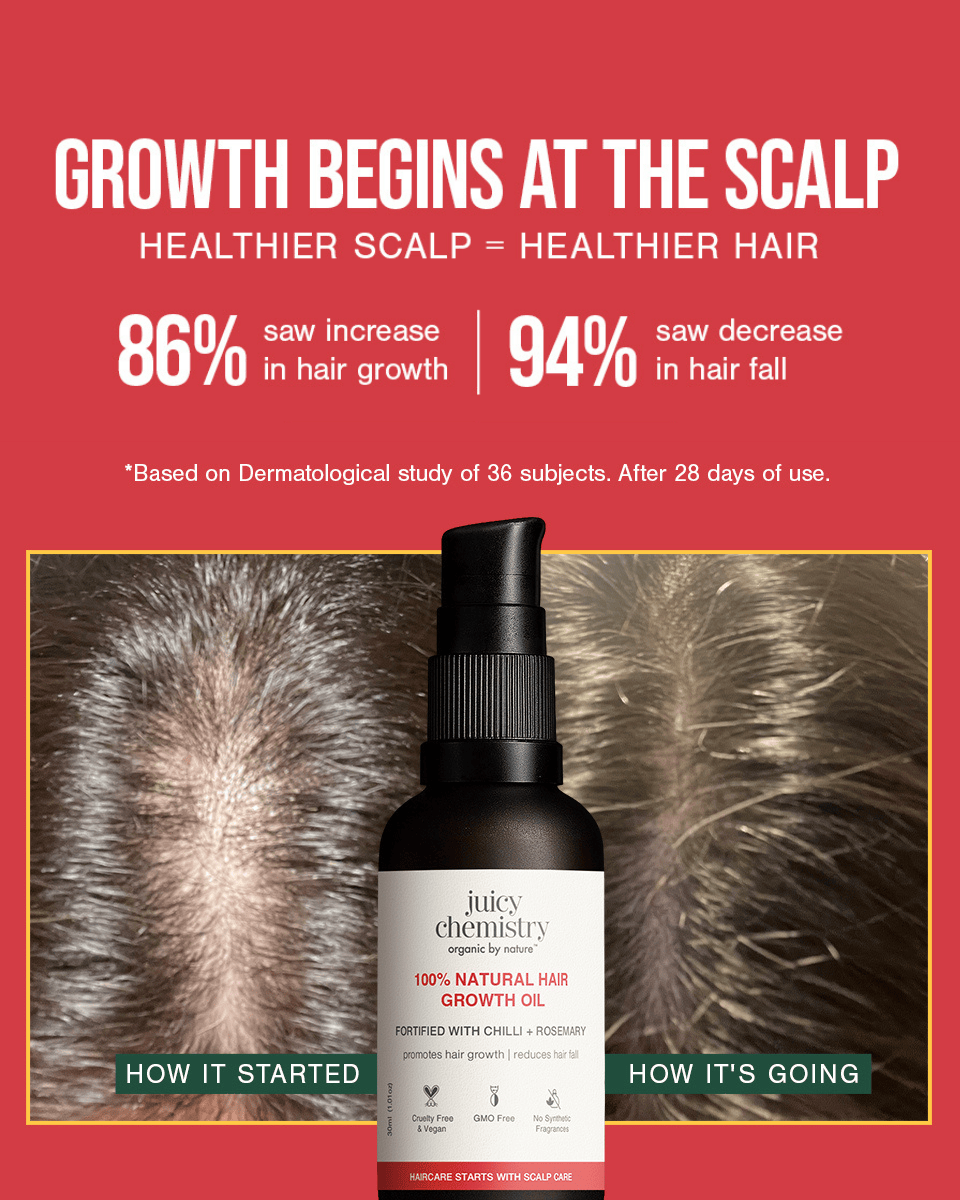
For those seeking science-backed hair growth support, lightweight formulations work more effectively than heavy, prolonged oiling. A clinically tested option like the Chilli + Rosemary Hair Growth Oil delivers targeted scalp stimulation in just 30-60 minutes. Clinical trials showed a 356% increase in hair growth and a 64% reduction in hair fall with consistent use, proving that smart formulation matters more than marathon oiling sessions.
One of the most debated hair-washing myths centres on frequency. Some believe daily washing causes hair fall, while others insist you must wash daily for cleanliness. The truth lies somewhere nuanced.
According to Cleveland Clinic dermatologists, washing frequency should match your scalp type rather than follow rigid rules. Hair shedding during washing is natural, those 50-100 strands you see were already in the telogen (shedding) phase. The washing didn't cause it; it simply removed hair that was ready to fall.
Oily scalps may need cleansing 2-3 times weekly, while drier scalps can go longer. If you're managing an active lifestyle in humid climates, you might wash more frequently without harm, provided you use gentle, sulphate-free formulations.
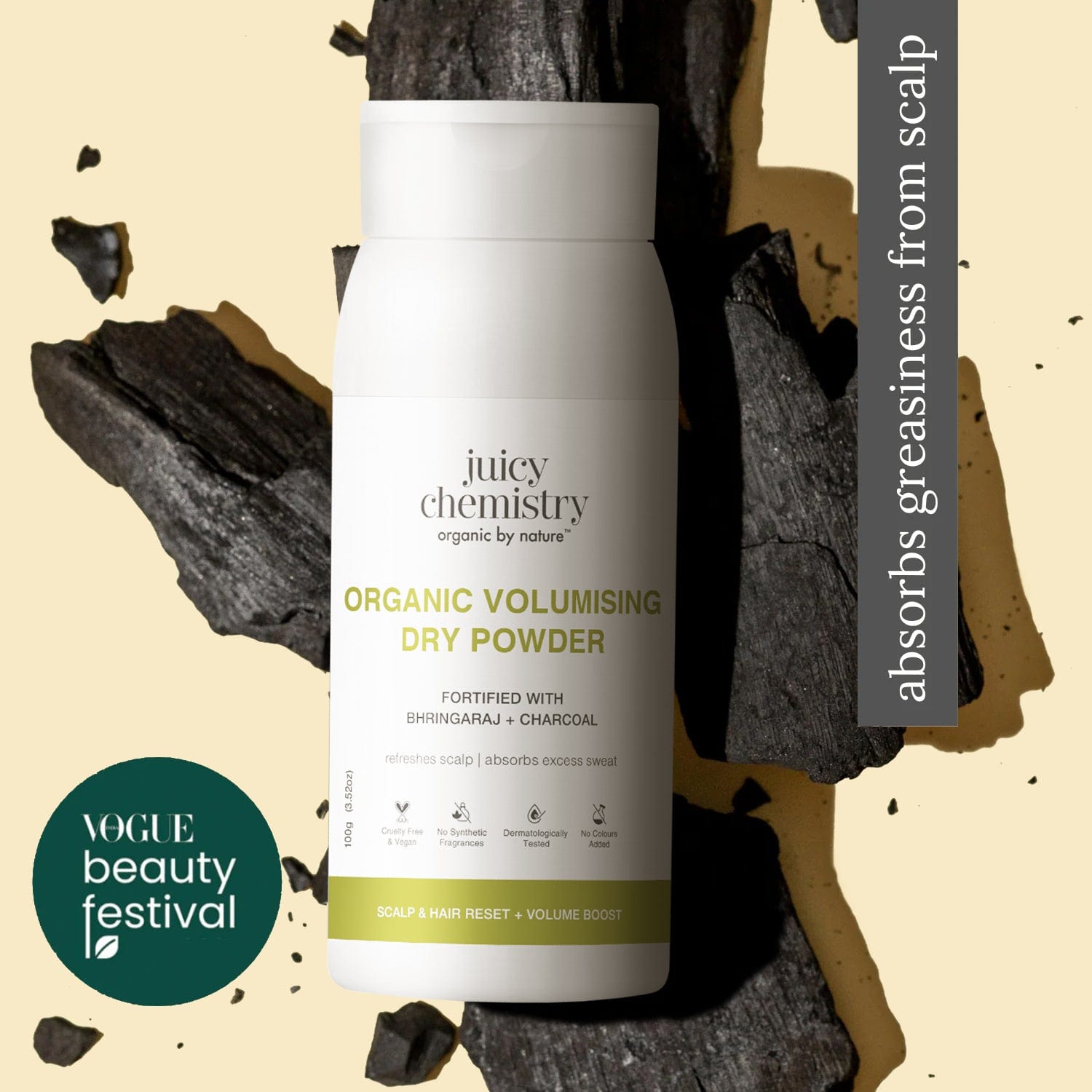
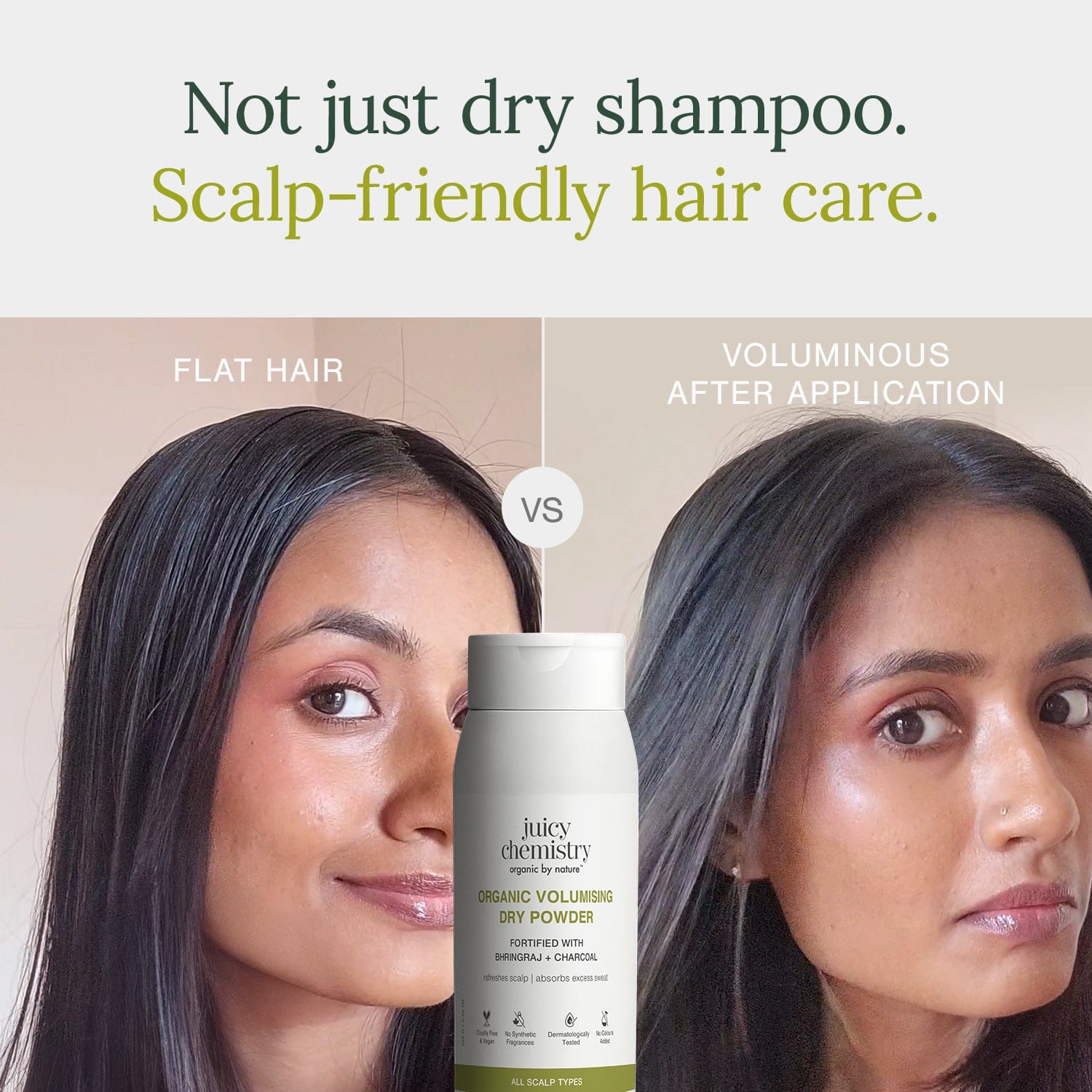
For days between washes, an organic dry shampoo absorbs excess oil and keeps hair fresh without stripping natural moisture. This approach supports scalp balance rather than disrupting it.
When exploring myths about hair growth, we encounter countless claims about miracle ingredients. The reality? Hair growth depends on follicle health, blood circulation to the scalp, hormonal balance, and nutrient availability.
Ingredients like rosemary essential oil and capsaicin (from chilli extract) have research supporting their ability to stimulate scalp circulation and encourage hair growth. Pumpkin seed oil acts as a natural DHT blocker, helping address hormonal hair thinning. However, these work through consistent application and realistic timelines, not overnight transformations.
Understanding the difference between DIY treatments and professional formulations helps set appropriate expectations. While kitchen ingredients may offer some benefits, clinically tested formulations deliver measured concentrations that work predictably.
This common misconception leads many to the wrong hair care habits. Dandruff often results from fungal imbalance (Malassezia) that thrives on excess sebum, meaning oily scalps are actually more susceptible than dry ones. Research confirms that dandruff involves complex factors beyond simple dryness.
True dry scalp produces small, white flakes without inflammation. Dandruff typically presents as larger, yellowish flakes accompanied by itchiness and redness. Treating one as the other can worsen the condition.
For genuine dandruff concerns, targeted solutions like an organic anti-dandruff shampoo with rosemary and tea tree addresses the root cause rather than masking symptoms. These ingredients work to soothe irritation, balance scalp pH, and reduce fungal overgrowth naturally.
Among the most dangerous hair care myths is the assumption that "natural" automatically equals "safe" or "better." This thinking can lead to wrong hair care habits and unexpected reactions.
Some natural ingredients can cause severe allergic responses, scalp irritation, or clogged pores. Conversely, many scientifically formulated ingredients offer superior stability, efficacy, and safety profiles. The key isn't choosing "natural" over "synthetic", it's choosing transparent, well-formulated products backed by testing.
Look for ECOCERT COSMOS certification, which validates both ingredient quality and formulation integrity. This third-party verification ensures you're getting genuinely organic ingredients at effective concentrations, not just marketing claims.
This persistent myth suggests your hair becomes "immune" to products, requiring constant switching. The biological reality? Hair is dead tissue that cannot develop resistance or immunity.
What actually happens: environmental changes, hormonal fluctuations, product buildup, or shifts in your scalp's needs can make a product feel less effective. Before abandoning your entire routine, try clarifying to remove buildup, then reassess whether the product still serves your current needs.
Seasonal transitions particularly impact hair. As weather shifts from dry winter to humid spring, your scalp may produce more oil, requiring adjusted washing frequency rather than new products entirely.
This falls firmly into hair care facts versus myths: once a hair shaft splits, no product can permanently repair it. Serums and conditioners temporarily smooth the cuticle and "glue" split ends together until the next wash, but the structural damage remains.
The only real solution is trimming away split ends before they travel up the shaft. Prevention through gentle handling, heat protection, and proper conditioning proves far more effective than attempting repair after damage occurs.
Cold water rinsing appears in countless hair care tips for women, but does it actually create shinier hair? Temporarily, yes, cold water can lay the cuticle flatter. However, this doesn't fundamentally improve hair health or create lasting shine.
True shine comes from well-hydrated, healthy hair with an intact cuticle layer. Focus on quality conditioning, minimal heat damage, and natural alternatives to harsh treatments rather than relying on water temperature for results.
Perhaps the biggest myth is that all hair types need identical care. Your friend's weekly wash schedule might leave your scalp irritated, while your sister's oil routine might weigh your fine hair down.
Hair type, texture, porosity, scalp condition, climate, and lifestyle all influence what works. Someone with thick, low-porosity hair in a humid climate has vastly different needs than someone with fine, high-porosity hair in a dry environment.
Pay attention to how your hair and scalp respond rather than following generic advice. Adjust your routine seasonally, during hormonal shifts, or as your hair changes with age.
Moving beyond these common hair myths means embracing personalized, evidence-based care:
The most effective approach combines time-tested botanical wisdom with modern dermatological science. This is precisely what certified organic hair care delivers: transparent formulations that prove efficacy through testing rather than marketing claims alone.
Understanding hair care facts versus myths empowers you to make choices that truly serve your hair's long-term health. Question advice, demand evidence, and remember that consistency with the right approach matters infinitely more than following every trending hack.

Q: Does trimming hair make it grow faster?
A: No, hair grows from follicles in your scalp, not from the ends. Trimming removes split ends to prevent breakage, helping hair retain length, but it doesn't influence growth rate, which is determined by genetics and scalp health.
Q: How often should I wash my hair?
A: It depends on your scalp type and lifestyle. Oily scalps may need washing 2-3 times weekly, while drier scalps can go longer. The hair you see shedding during washing was already in the natural shedding phase.
Q: Is overnight oiling better for hair growth?
A: Not necessarily. While oiling benefits hair, leaving it on for more than 1-2 hours can clog follicles and attract dirt. Shorter, consistent oiling sessions with clinically tested formulations may prove more effective than overnight treatments.
Q: What actually causes dandruff?
A: Dandruff often results from a fungal imbalance (Malassezia) that thrives on excess oil, not dryness. True dry scalp produces different symptoms. Using targeted anti-dandruff treatments addresses the root cause more effectively than heavy moisturizing alone.
Q: Can natural ingredients cause scalp problems?
A: Yes, "natural" doesn't automatically mean safe for everyone. Some natural ingredients can trigger allergic reactions or clog pores. Choose products based on ingredient transparency, testing, and certification rather than "natural" marketing claims alone.


Shop Now