Scalp Fungal Infections in Monsoon: Signs, Causes, and Natural Treatment
July 21, 2026
The monsoon brings cooler evenings, chai cravings, and a much-needed break from the summer heat. But along with the rain comes something far less welcome, especially for your scalp. Humidity, sweat, and damp hair create the perfect setting for fungal infections to quietly take hold.
If your scalp has been unusually itchy, flaky, or tender this season, you are not imagining things. Monsoon skin and scalp concerns are real, and the earlier you spot them, the easier they are to manage. Let us walk through what to watch for, why the rains make things worse, and how to care for your scalp naturally.
Your scalp is covered in hair, stays warm, and traps moisture easily. Now add monsoon humidity and the occasional drizzle you did not plan for, and you have got the kind of environment that fungi love.
According to Cleveland Clinic, hot and humid climates are one of the key conditions that allow yeast like Candida to overgrow on the scalp. Excessive sweating is another trigger. During the monsoon, both of these factors are working together almost every single day.
What Does a Scalp Fungal Infection Actually Look Like
Not every itch means you have a fungal infection. But a few signs together can point in that direction.
Common things to watch for include persistent itching that does not respond to regular washing, white or yellowish flaking that feels different from ordinary dandruff, redness or tenderness on the scalp, and in some cases, small bumps or patches where hair may look thinner.
Tinea capitis, one of the more common scalp fungal infections, is caused by dermatophytes and can affect both the scalp surface and the hair shaft. Scalp yeast infections caused by Candida also present with similar itchy, flaky symptoms. The two can look alike, which is why a proper diagnosis from a dermatologist matters if symptoms persist.
The key difference between regular dandruff and a fungal infection is usually the intensity. If your flaking is accompanied by soreness, spreading patches, or a smell that was not there before, it is worth getting checked.
What Actually Triggers Scalp Fungal Growth in the Rains
Fungi are naturally present on everyone's scalp. Under normal conditions, the skin's bacteria keep them in balance. But certain monsoon habits tip that balance.
Going to bed with damp or wet hair is one of the biggest culprits. So is tying up wet hair tightly, which traps moisture against the scalp for hours. Using heavy, silicone-based styling products during humid weather can also clog the scalp and create a breeding ground.
Other triggers include sharing towels, combs, or pillowcases (fungi spread easily through contact), infrequent washing when the weather makes you skip hair wash days, and wearing hats or helmets for long hours without letting your scalp breathe.
Research into adult tinea capitis also highlights that scalp hygiene, underlying skin conditions, and prolonged moisture exposure all play a role. The monsoon amplifies every single one of these factors.
Organic Dusting Powder Fortified Tea Tree + Peppermint
If you must step out with damp hair, leave it loose. Trapped moisture is the single biggest favour you can do for scalp fungi.
Keep your scalp cool and fresh between washes
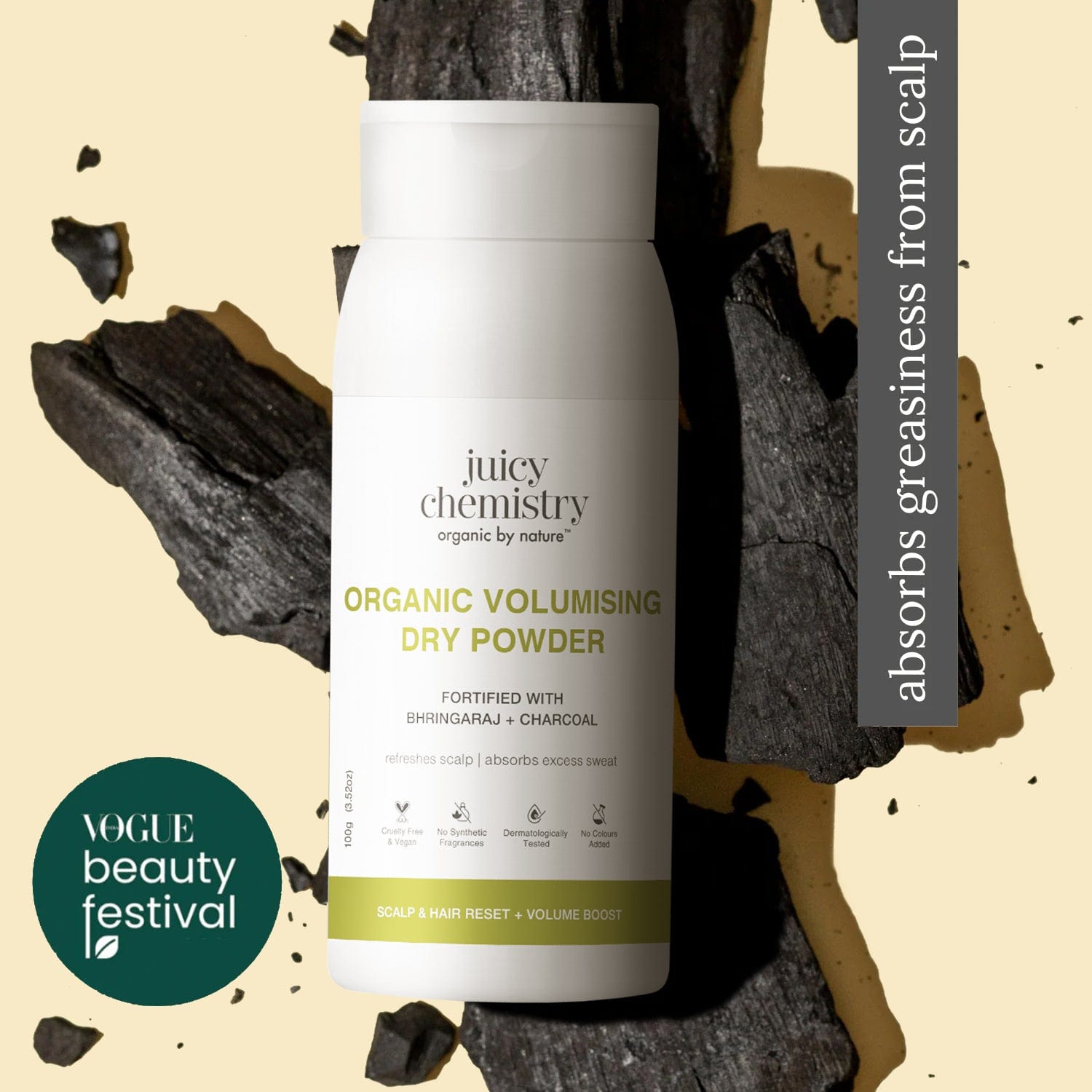
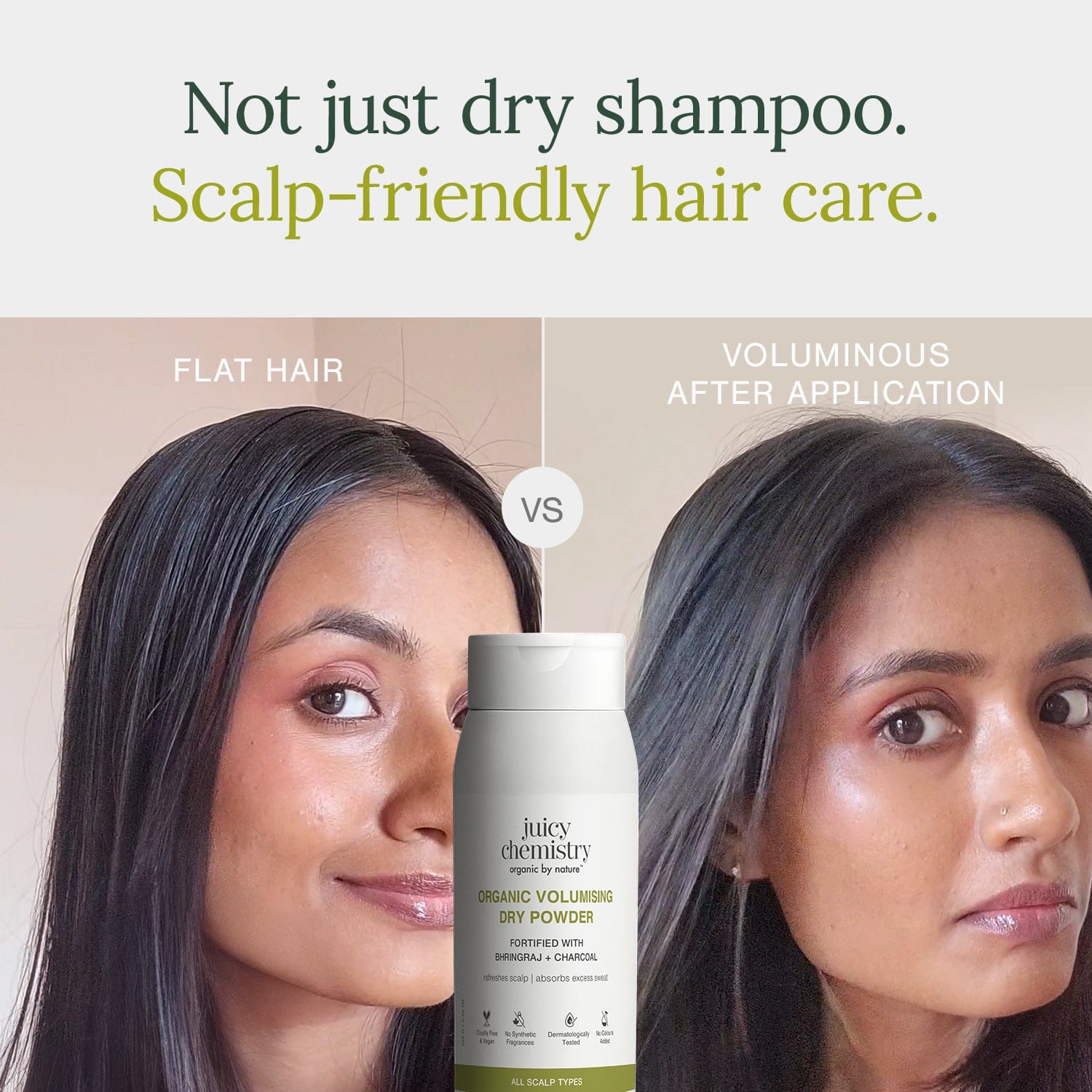
On days when washing is not possible, a dusting powder can help absorb excess oil and sweat. The Tea Tree + Peppermint Organic Dusting Powder works well as a quick refresh, especially after a sweaty commute or gym session.
Switch to lighter hair products
Heavy oils, serums, and leave-in conditioners can sit on the scalp and trap moisture during humid months. Opt for lighter formulations and save the deep conditioning for drier weather.
Which Natural Ingredients Help With Monsoon Scalp Concerns
Two ingredients stand out for monsoon scalp care, and both have a long traditional history in Indian wellness.
Tea tree
Juicy Chemistry sources high-quality tea tree from Australia, where the Melaleuca alternifolia plant grows in its native environment. Tea tree oil has been traditionally valued for its cleansing and soothing properties. In scalp care, it helps maintain a feeling of freshness and comfort, especially during the monsoon months.
Neem
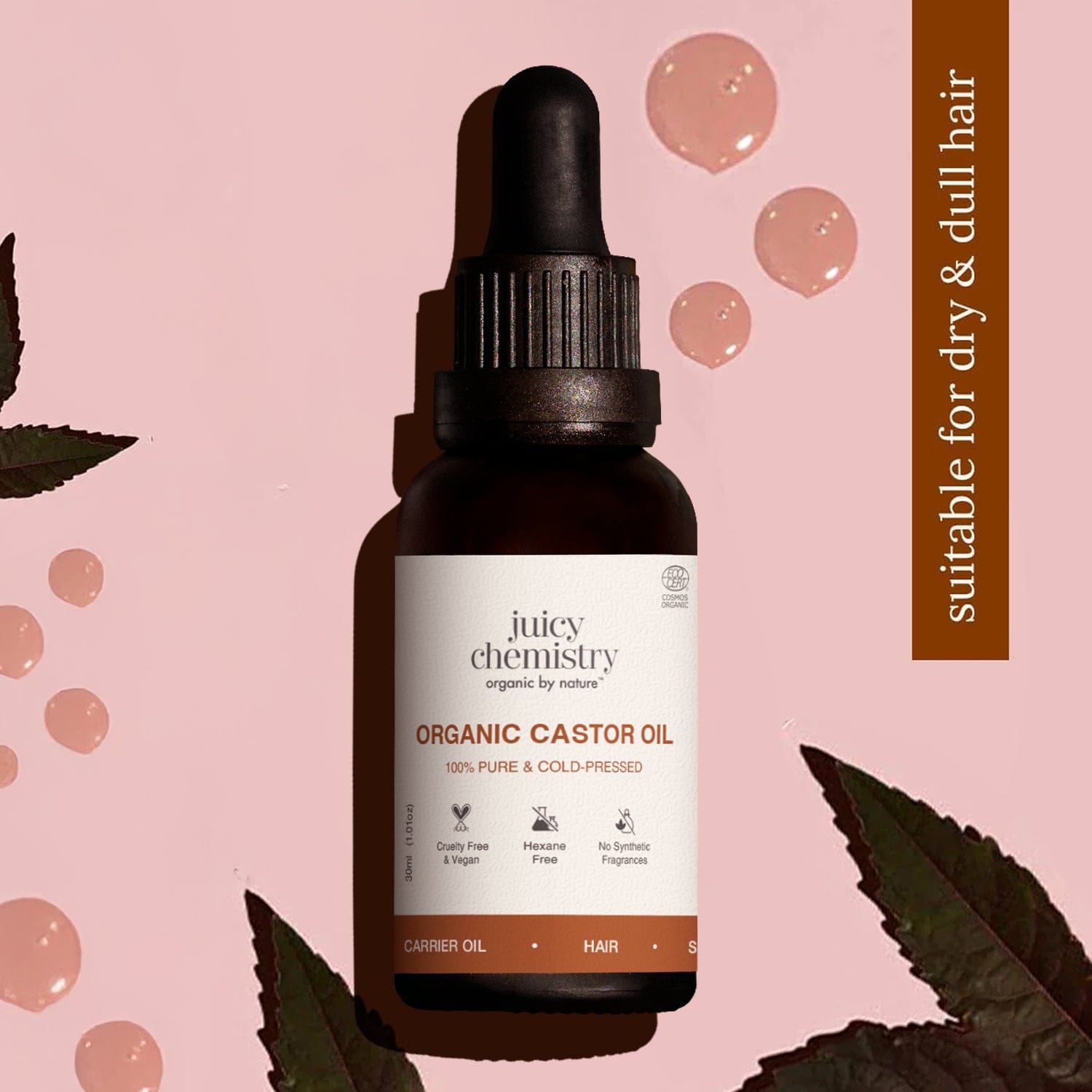
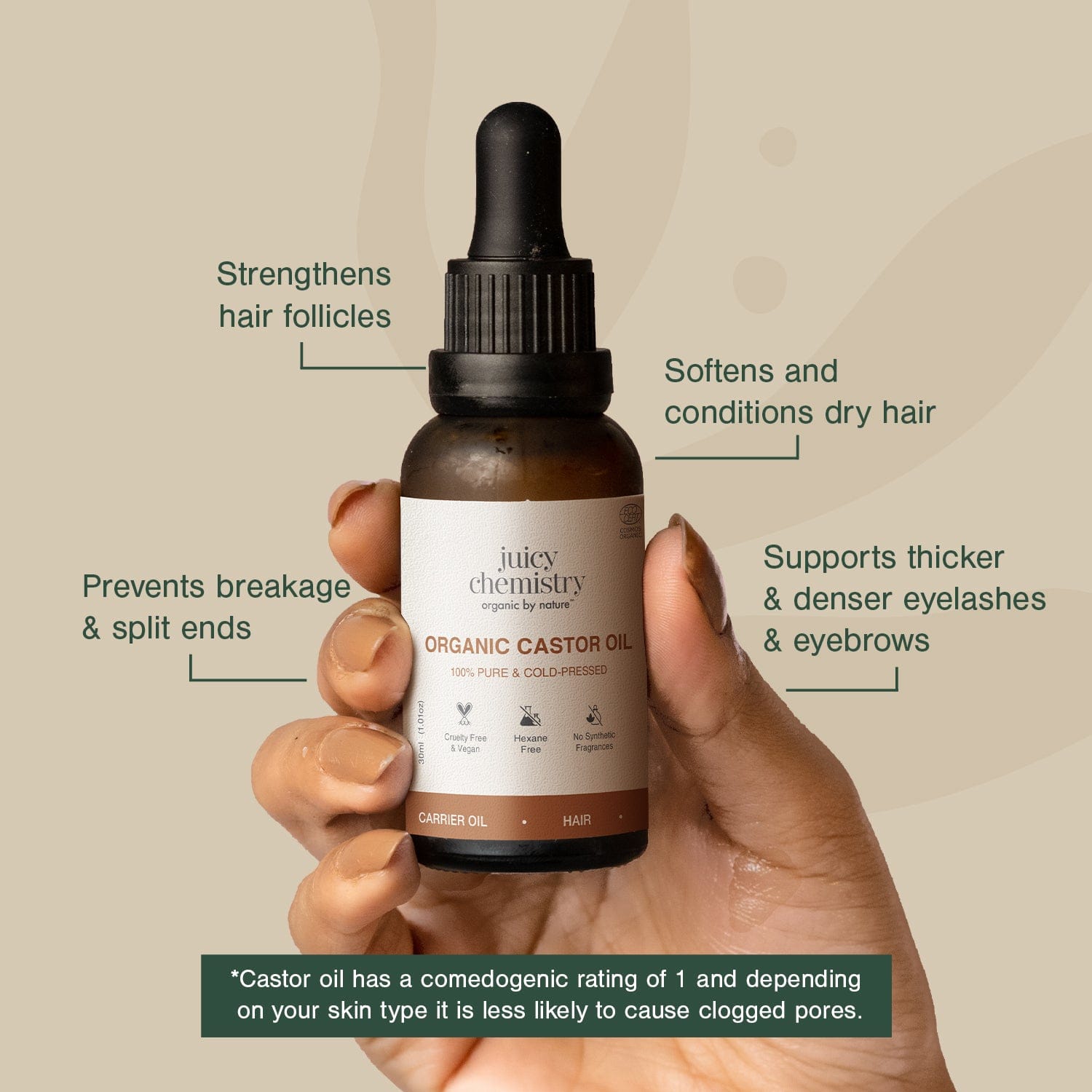
Neem oil (Melia Azadirachta) is one of the most potent oils in traditional Indian skincare. Cold-pressed and hexane-free, Juicy Chemistry's Organic Neem Oil is COSMOS certified and rich in omega-9 fatty acids. For scalp use, dilute a few drops with a lighter carrier oil and apply to the affected areas before your shampoo wash. Neem has a strong, earthy odour, so a little goes a long way. Best used as a targeted pre-wash treatment, not an everyday leave-in.
Both of these ingredients support scalp comfort without relying on synthetic antifungals, which makes them a good first line of daily monsoon maintenance.
When Should You See a Dermatologist
Natural scalp care works well for prevention and mild discomfort. But if your symptoms are spreading, getting more painful, or not improving after two to three weeks of consistent care, it is time to consult a professional.
Fungal infections that go untreated can sometimes lead to more persistent issues, including hair thinning in the affected areas. A dermatologist can properly identify whether the infection is fungal, bacterial, or something else entirely and prescribe targeted treatment if needed.
Think of natural care as your daily defence and professional care as the backup when things need a closer look.
Q: Is monsoon dandruff the same as a fungal infection? A: Not always. Regular dandruff is usually caused by an oily or dry scalp and tends to respond to regular washing. A fungal infection often comes with more intense itching, redness, soreness, or spreading patches. If basic dandruff care is not helping, it may be worth consulting a dermatologist.
Q: Can I oil my hair during monsoon? A: You can, but keep it light and wash it off within a few hours. Avoid heavy overnight oiling during humid months, as the trapped moisture can encourage fungal growth on the scalp.
Q: How often should I wash my hair during the rainy season? A: Two to three times a week with a gentle, clarifying shampoo is a good starting point. If you sweat a lot or get caught in the rain, a quick rinse and dry helps keep your scalp fresh.
Q: Are fungal scalp infections contagious? A: Some types can spread through shared combs, towels, pillowcases, or direct contact. Using your own personal care items and washing them regularly is a simple way to lower the risk.