Scalp Fungal Infections in Monsoon: Signs, Causes, and Natural Treatment
Liquid error (sections/article-template line 277): The format option 'month_day_year' is not a supported format.
Juicy Chemistry






The monsoon brings relief from summer heat, but your hair? Not so much. Between the sticky humidity, sudden downpours, and never-ending frizz, your scalp and strands go through a lot. And if you've been wondering whether hair oiling in monsoon is even a good idea, you're not alone.
The short answer is yes, but the rules change. Heavy oils and overnight soaking can do more harm than good when the air is already damp. The monsoon asks for a lighter touch, quicker washes, and oils that play well with humidity. Let's walk through how to get it right.
Absolutely. Your scalp still needs nourishment, even when it feels oily on the surface. During monsoon, excess humidity throws off your scalp's natural oil balance. Sweat builds up faster, and your hair tends to feel limp or weighed down.
So, is oiling good in monsoon? Yes. Oiling gives your scalp the fatty acids it needs. A pre-wash oil treatment in monsoon also acts like a protective layer before you shampoo, so you're not stripping your hair completely dry.
The trick is to go light. Think of monsoon hair care oiling as a quick nourishing ritual, not an all-night soak. A lightweight hair oil for monsoon, applied 30 to 60 minutes before your wash, keeps things balanced without inviting buildup.
Humidity changes how your hair absorbs and holds oil. In dry weather, your scalp soaks up heavier oils without much fuss. But in the rainy season, the moisture in the air means your hair is already holding on to extra water. Pile a heavy oil on top, and you get buildup, flat roots, and a scalp that feels suffocated.
That's where lightweight oils like jojoba step in. Jojoba oil is technically a liquid wax, and its structure closely resembles your scalp's own sebum. Instead of sitting on top of your hair, it absorbs quickly and helps maintain balance without heaviness. A comprehensive review on jojoba's properties highlights its wide-ranging benefits, from antioxidant activity to skin and scalp support.
Juicy Chemistry's Organic Cold-Pressed Jojoba Oil is ECOCERT COSMOS certified, hexane-free, and made from 100% organic Simmondsia Chinensis. It's rich in omega-3 and omega-6 fatty acids, absorbs fast, and works beautifully across all hair types. A few drops on your scalp before wash day is all you need when you're looking for a reliable jojoba oil for hair care.
Here's where most people slip up. In the monsoon, leaving oil in your hair overnight is not ideal. The humidity already makes your scalp a warm, moist environment. Adding oil for eight or more hours can lead to excess buildup and may leave your scalp feeling itchy.
How long to keep oil in monsoon? The sweet spot is 30 to 60 minutes. That's enough time for scalp oiling in humid weather to do its job without overdoing things. Apply your oil, massage gently, and let it sit. Then follow up with a gentle wash.
If you have an oily scalp, 20 to 30 minutes works fine. If your hair tends to be dry or frizzy, stretch it closer to an hour. The goal is nourishment, not saturation. And always wash your hair the same day you oil during the monsoon.
You don't need ten steps or a complicated ritual. A simple hair oil routine for the rainy season looks like this:
Go for something non-greasy that absorbs fast. Jojoba oil is a wonderful pick because of its sebum-like structure and quick absorption. If you want to know more about how to upgrade your hair care game with jojoba oil, the benefits extend well beyond the monsoon months.
Part your hair into sections. Take four to five drops of oil and gently massage into your scalp using your fingertips in small circular motions. You can apply a tiny bit to your ends too, but keep the scalp as your focus.
Let the oil do its work. No need to wrap your hair in a hot towel or apply heat. The ambient warmth and humidity will help your scalp absorb the oil naturally.
Follow up with a mild, sulphate-free shampoo. One wash should be enough to remove a lightweight oil without stripping moisture. If you're also dealing with post-wash frizz, a leave-in hair serum applied the right way can help smooth things out beautifully.
Aim to follow this monsoon hair oiling routine once or twice a week, depending on your hair type.
Knowing how to oil hair in humidity also means knowing what not to do. A few things worth skipping this season:
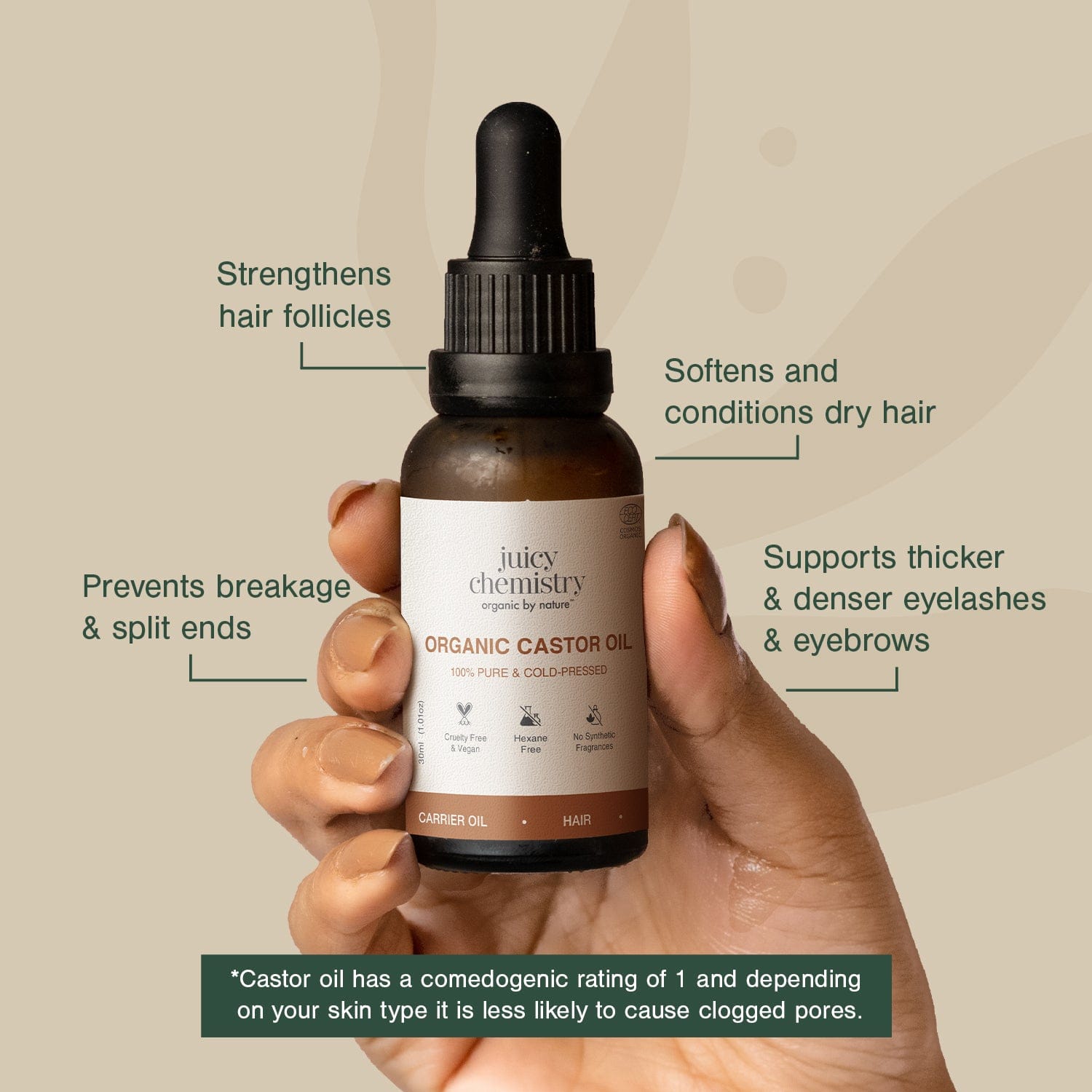
Heavy oils like thick coconut oil blends or castor oil can weigh your hair down and attract even more moisture from the damp air. Save those for winter when your scalp needs deeper hydration.
Overnight oiling in monsoon creates the perfect setup for scalp irritation and buildup. Stick to shorter durations, always.
Too much oil is another common mistake. You only need a few drops. A little goes a long way, especially with something as lightweight as jojoba.
Also, avoid oiling right before stepping out. If you get caught in the rain with oiled hair, the mix of rainwater and oil can leave a residue that's tough to wash out. Always oil as a pre-wash step and head out after you've shampooed. For tips on protecting your hair from sun and frizz between monsoon showers, layering your care between washes makes a real difference.
Yes, and they actually work towards different goals. Oil nourishes your scalp and works best as a pre-wash treatment. A serum is usually a post-wash product that smooths your lengths and tames flyaways.
During monsoon, using both can be really helpful. Oil before your wash to keep your scalp nourished. Serum after your wash to keep frizz under control through the humidity. If you've been curious about whether a hair growth serum and oil can work side by side, the answer is yes, as long as you're timing them right.
The key with any monsoon hair oiling routine is to keep things simple, light, and consistent. Your hair doesn't need more products, just the right ones at the right time.
Yes. Oiling nourishes your scalp in the rainy season. Switch to a lightweight hair oil for monsoon, like jojoba, keep it on for 30 to 60 minutes, and wash it the same day.
Once or twice a week is ideal. Over-oiling in humid weather can lead to buildup. A simple pre-wash oil treatment in monsoon season is enough to keep your hair healthy.
Yes. Jojoba oil's structure closely mimics natural sebum, so it may help balance oil production rather than adding excess grease. It absorbs quickly and feels lightweight.
It's best to avoid overnight oiling in the monsoon. High humidity makes longer durations counterproductive. Stick to 30 to 60 minutes before washing.
Use a few drops of lightweight oil like jojoba on your scalp and ends before washing. Keep sessions short, wash the same day, and follow up with a smoothing serum.


Shop Now