Monsoon Skincare Mistakes: 7 Things Making Your Skin Worse in the Rains
Liquid error (sections/article-template line 266): The format option 'month_day_year' is not a supported format.
Juicy Chemistry

You have been following your skincare routine like clockwork. Cleansing, toning, the whole thing. Then a heat wave rolls in, and suddenly your skin has other plans. Hello, unexpected breakouts.
If you have ever noticed more pimples in summer, especially during those relentless 40-degree weeks, you are not imagining it. Heat wave acne causes are real, and they go deeper than just "sweaty skin." The good news? Once you understand what is actually happening beneath the surface, you can adjust your routine and your lifestyle to work with your skin, not against it.

Here is the nerdy bit, made simple. When temperatures spike, your body works overtime to cool itself down. Your sweat glands kick into high gear, and your sebaceous glands may start producing more oil. This is your skin doing its job beautifully. The trouble starts when that extra sweat and sebum sit on the surface, mixing with dead skin cells, sunscreen residue, and environmental dust.
This blend can settle into your pores, creating what dermatologists often call a "pore-clogging cocktail." The sweat and acne connection is essentially this: sweat itself is not the villain, but when it does not evaporate properly (hello, humid Indian summers), it can contribute to clogged pores in summer and that frustrating cycle of summer breakout causes.
And here is something many people miss. Constantly moving between air-conditioned spaces and outdoor heat creates a temperature whiplash for your skin. Your barrier may struggle to keep up, sometimes leading to dehydration that, paradoxically, triggers even more oil production.
Not every heat wave skin breakout looks or feels the same. Sometimes those tiny, uniform bumps on your forehead or jawline might actually be fungal acne from heat. Unlike regular breakouts, this type tends to feel itchy rather than painful, and it may not respond to your usual acne products. Warm, humid conditions can create an environment where naturally occurring yeast on the skin may multiply faster than usual.
If your breakouts feel different from your typical ones, or if they cluster in areas where you sweat the most, it might be worth speaking to a dermatologist. Understanding what you are dealing with is always the first step. Research suggests that both temperature and humidity can play a contributing role in acne flares, with summer months often showing more aggravation.
The instinct during a heat wave is to scrub everything off, cleanse more aggressively, and pile on mattifying products. But stripping your skin can actually make oily skin in heat wave conditions worse by triggering a rebound effect. Here is what may actually help.
A gentle, effective cleanser for heat wave skin makes all the difference. You want something that lifts away sweat, excess oil, and environmental buildup without compromising your skin's natural balance. Look for formulations with soothing, plant-derived ingredients that cleanse thoroughly but kindly. If you are someone who wears sunscreen daily (and you should be), a double cleanse in the evening can help remove that stubborn layer of SPF residue that may otherwise settle into your pores.
Summer is not the season for heavy creams and multi-layered routines. Swap to lighter serums and gel-based hydration. A niacinamide-based serum can be a lovely addition to your morning routine because niacinamide may help regulate oil production while supporting your skin barrier, and when paired with ectoin, it can offer a layer of environmental stress protection that is especially useful during heat waves.
This is the part that trips most people up. Oily skin in heat wave conditions still needs moisture. When your barrier is well-hydrated, your skin is less likely to overcompensate with excess sebum. A lightweight ceramide-based serum used at night can help support barrier repair and keep moisture levels balanced without adding heaviness.
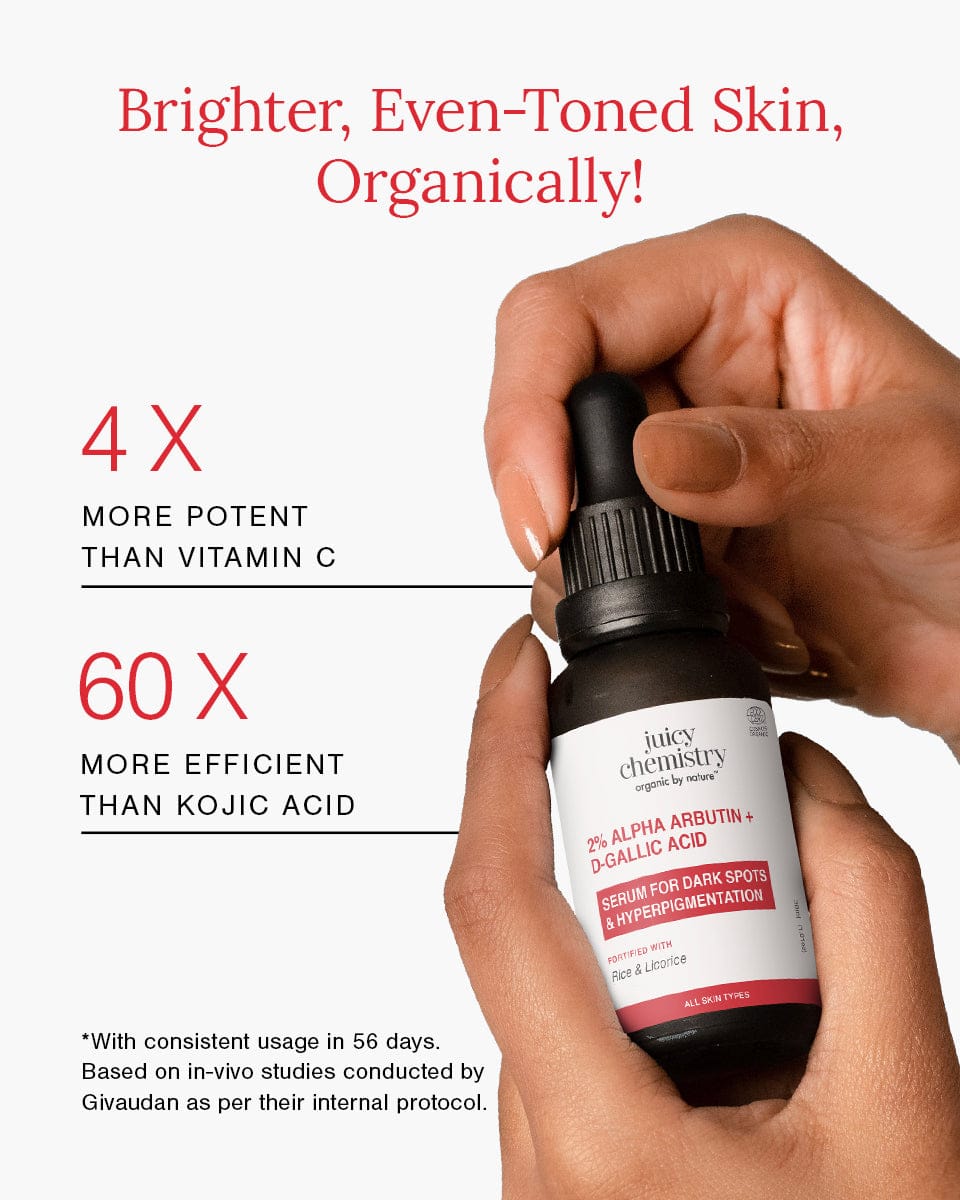
Think of your PM skincare as your skin's reset button after a long, sweaty day. This is when you address acne from sweating and give your pores a chance to breathe. A targeted serum with BHA (salicylic acid) can be particularly helpful during summer months because it is oil-soluble, meaning it may work within the pore to gently dissolve the buildup that leads to blackheads and breakouts. Juicy Chemistry's 2% BHA + Zinc PCA Face Serum, which is COSMOS organic certified by ECOCERT, combines pore-clearing BHA with Zinc PCA that may help regulate sebum, so you are addressing congestion and oil production in one step.
Products are only part of the picture. How you live during a heat wave matters just as much for how to stop heat breakouts. Harvard Health recommends wearing breathable, natural fabrics like cotton and linen, and opting for cool showers over hot ones to avoid stripping your skin's natural oils.
A few other things worth thinking about: staying hydrated from the inside with plenty of water and water-rich foods like watermelon and cucumber. Getting enough sleep, because stress and sleep deprivation can nudge your skin towards producing more oil. Washing your pillowcase every couple of days, because all that overnight sweat and oil transfers right back onto your face. And if you exercise, changing out of sweaty clothes promptly and rinsing off soon after can make a noticeable difference.
Summer breakout causes are rarely just about one thing. They are a combination of heat, humidity, lifestyle habits, and how your routine adapts (or does not) to the season. The kindest thing you can do for your skin during a heat wave is to simplify, stay gentle, and stay consistent.
Your skin is doing its best in the heat. A few thoughtful shifts can help it do even better.

Q: Why do I get more pimples in summer than in winter?
A: Higher temperatures may increase oil production, and when that extra sebum mixes with sweat and environmental buildup, it can lead to clogged pores in summer. Humidity also slows sweat evaporation, keeping pore-clogging residue on your skin longer.
Q: Is acne from sweating different from regular acne?
A: Sweat-related breakouts often appear in areas where moisture sits longest, like the forehead, chest, and back. They tend to look similar to regular acne but can sometimes include fungal acne from heat, which feels itchier and may need a different approach.
Q: Can air conditioning cause breakouts too?
A: AC itself does not cause acne, but the constant shift between cold, dry indoor air and hot, humid outdoor air can disrupt your skin's moisture balance. This may trigger your skin to produce more oil as a protective response.
Q: Should I wash my face more often during a heat wave?
A: Twice daily with a gentle cleanser for heatwave skin is usually enough. Over-cleansing can strip your barrier and lead to rebound oiliness. If you feel sweaty midday, blotting with a clean cloth is gentler than washing again.
Q: Do I still need moisturiser if my skin feels oily in summer?
A: Yes. Skipping moisture can actually worsen oily skin in heat wave conditions because dehydrated skin often compensates by producing even more sebum. Opt for lightweight, non-comedogenic formulations that hydrate without heaviness.


Shop Now