Monsoon Skincare Mistakes: 7 Things Making Your Skin Worse in the Rains
Liquid error (sections/article-template line 266): The format option 'month_day_year' is not a supported format.
Juicy Chemistry

You have oily skin, so you skip the moisturiser. Makes sense, right? Your face already feels slick by noon, so adding anything more seems like asking for trouble. But here is the twist. Skipping moisturiser does not reduce oiliness. In most cases, it actually makes things worse.
The connection between hydration and oil production is one of the most misunderstood parts of skincare. And once you get it, your whole routine starts to make more sense. Let us break down why moisturising for oily skin is not optional, and how to do it the right way without that heavy, greasy feeling.

Oil and hydration are not the same thing. Your skin can produce plenty of sebum and still be dehydrated underneath. Sebum is the waxy, lipid-rich substance your sebaceous glands make. Hydration is about water content in the skin cells themselves.
When you strip your skin of moisture, whether through harsh cleansers, skipping moisturiser, or over-exfoliating, your skin barrier gets compromised. And a weakened barrier means your skin loses water faster. In response, your sebaceous glands go into overdrive, producing even more oil to compensate for the dryness underneath.
So the shine you see on your face is not a sign that your skin has enough moisture. Often, it is the opposite. A good moisturiser for oily skin helps maintain that water-oil balance so your skin does not have to overcompensate.
When your skin is consistently dehydrated, the effects show up in ways you might not immediately connect to moisture loss. You may notice more breakouts, because excess sebum mixes with dead skin cells and clogs pores. Your skin might feel tight after cleansing but turn oily within an hour or two. You could see more visible pores, uneven texture, or dullness.
The American Academy of Dermatology recommends using a gentle, non-comedogenic moisturiser even for oily skin types. Stripping the skin with harsh products or avoiding hydration entirely can trigger a cycle of excess oil, breakouts, and irritation.
A review on moisturisers in dermatological practice highlights how important they are across skin types, including oily and acne-prone skin, for maintaining barrier function and overall skin health.
Not all moisturisers are built for oily skin. Heavy, occlusive creams can sit on the surface and clog pores. What works better is something lightweight, fast-absorbing, and non-comedogenic.
Here are a few things worth looking for in a moisturiser for oily skin. Gel-based or water-based textures that absorb quickly without leaving a film. Humectants like aloe vera or hyaluronic acid that draw water into the skin. Ingredients with a linoleic acid-rich profile, since oily skin tends to be lower in linoleic acid and higher in oleic acid. And formulations free of heavy silicones, mineral oils, and synthetic fragrances that can sit on the surface and contribute to congestion.
If you are someone who deals with acne alongside oily skin, a simple, ingredient-conscious moisturiser makes an even bigger difference. Less is more when your skin is reactive.
Putting oil on oily skin sounds counterintuitive. But jojoba oil is not really an oil in the traditional sense. Technically, it is a liquid wax ester, and its molecular structure closely resembles your skin's own sebum.
Because your skin recognises jojoba as something familiar, it may help signal the sebaceous glands to ease up on oil production. The Organic Jojoba Oil from Juicy Chemistry is cold-pressed, hexane-free, and COSMOS Organic certified by ECOCERT. Made from 100% Simmondsia Chinensis (Jojoba) oil, it absorbs quickly, does not clog pores, and works across skin types, including oily and combination skin.
A few drops after cleansing and toning can help maintain skin balance without heaviness. You can also mix a drop into your usual moisturiser or use it as a gentle makeup remover at the end of the day.
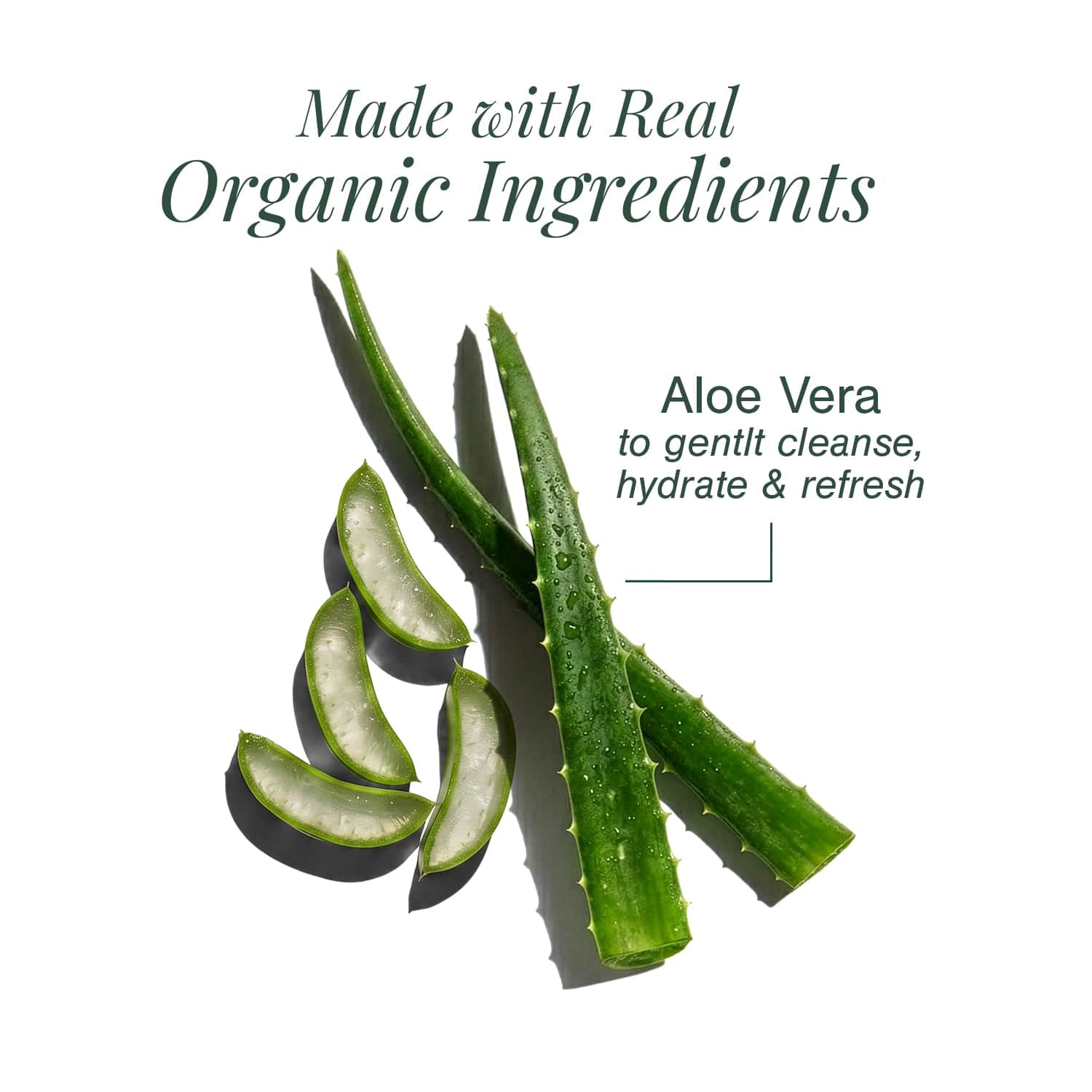
If you have very oily or acne-prone skin and heavier creams feel like too much, aloe vera gel is a beautiful lightweight alternative. Aloe is a humectant, which means it draws water into the skin and helps retain moisture at the surface without adding any greasiness.
The Pure Aloe Vera Gel from Juicy Chemistry is cold-pressed from 3+ year old plants with polysaccharide levels exceeding 800 ppm, which is what gives aloe its hydrating and soothing ability. COSMOS Organic certified, it contains just three ingredients: aloe vera leaf juice, xanthan gum, and citric acid. No added fragrance, no unnecessary fillers.
You can use it as a standalone lightweight moisturiser in the AM, as a soothing layer after sun exposure, or as a hydrating base before your sunscreen. For those who like to keep routines minimal, especially in humid Indian summers, aloe vera gel can be the one step that does a lot without feeling like anything at all.
The best routine for oily skin is one you will actually follow. Keep it simple.
Cleanse with a gentle, sulphate-free face wash. Follow with a hydrating toner or hydrosol. Apply a lightweight moisturiser, whether that is aloe vera gel, a few drops of jojoba oil, or a water-based moisturiser. Finish with sunscreen. Always sunscreen.
Double cleanse if you wore makeup or sunscreen. Tone. Apply your treatment step (a serum if needed). Seal with a light moisturiser or facial oil.
The key is gentle products that do not strip your skin. When your barrier stays healthy, your skin produces less excess oil on its own. If you want a more detailed guide on managing oily skin, Juicy Chemistry's blog covers ingredient choices and routine tips tailored to Indian skin.
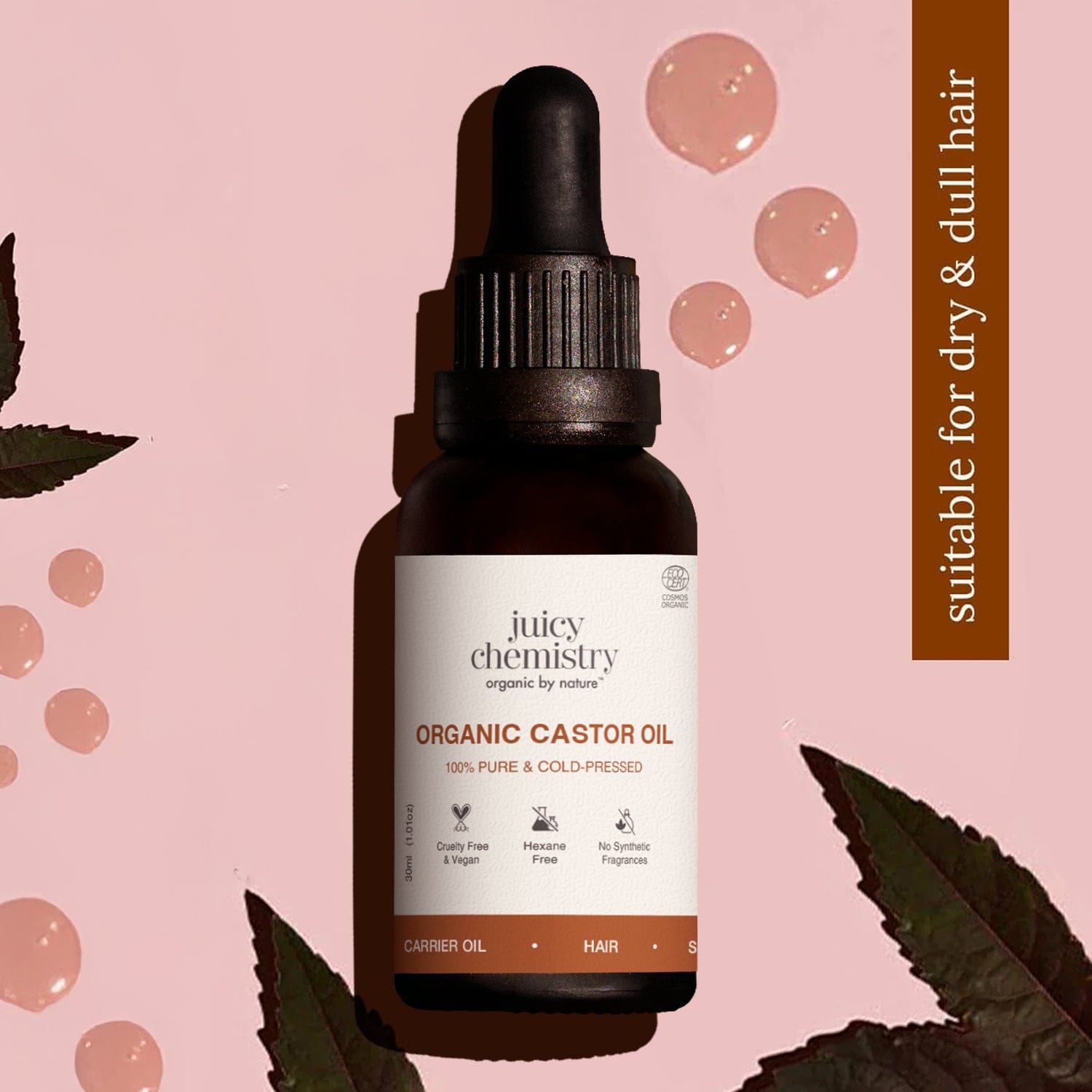
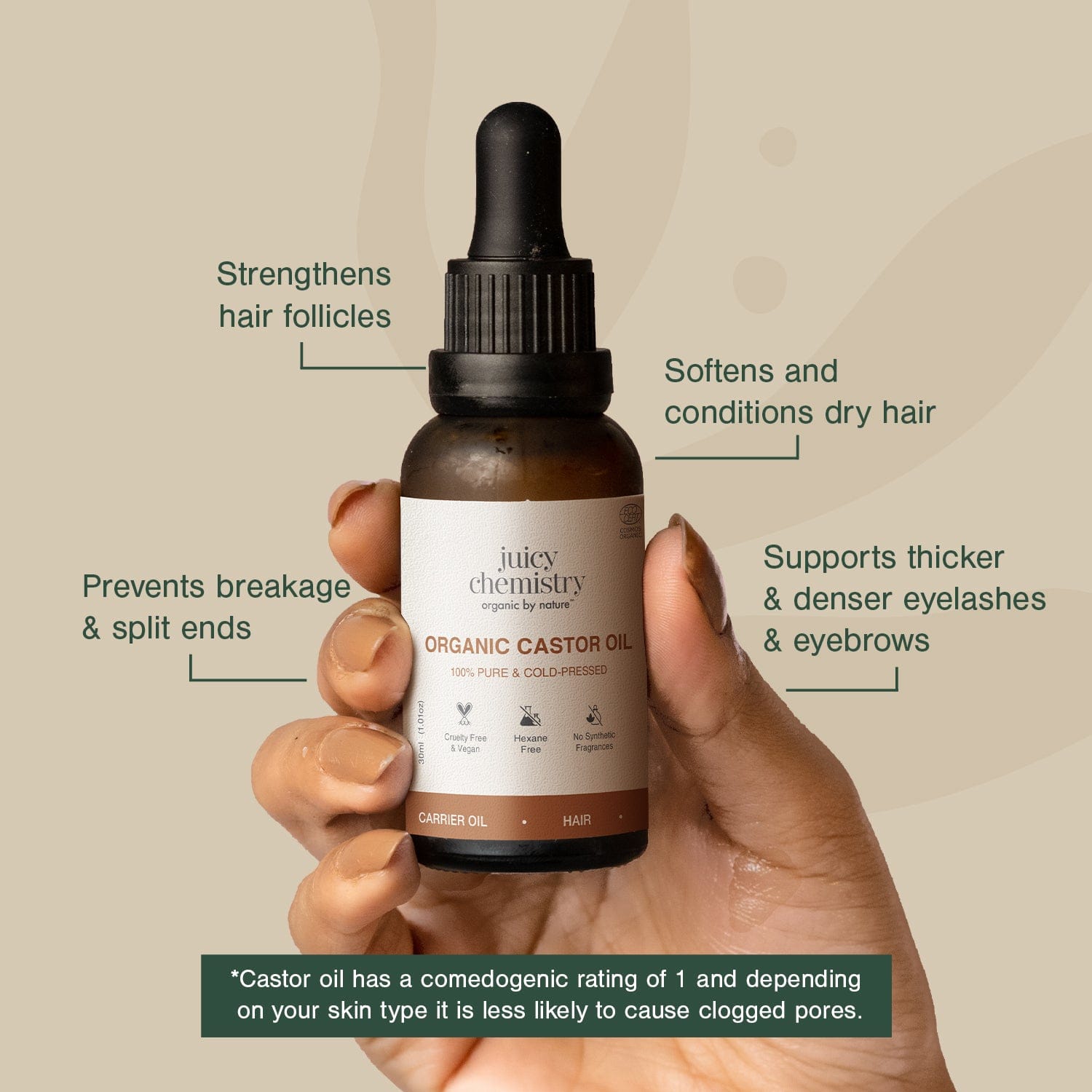
Humidity makes oily skin feel even oilier, but that does not mean you need less moisture. Swap heavier creams for gel-based hydrators during warmer months. A study on moisturiser usage across India highlighted how most people still do not moisturise consistently, especially those with oily skin, even though dermatologists widely recommend it. A cold-pressed carrier oil used sparingly can also support the skin barrier during summer without the weight of a traditional cream. The trick is to hydrate smart, not skip hydration altogether.
A few habits that seem helpful but actually work against you. Using alcohol-based toners that strip the skin and trigger rebound oiliness. Over-cleansing or washing your face more than twice a day. Skipping moisturiser entirely because your skin "already has enough oil." And using heavy, silicone-laden products that trap sebum under a layer of film.
The simplest shift? Trust that your skin needs moisture, even when it feels oily. Give it the right kind and watch the excess calm down over time.

Q: Should I moisturise if my skin is already oily?
A: Yes. Oily skin still needs hydration. When you skip moisturiser, your skin may produce more sebum to compensate for the moisture loss, making oiliness worse.
Q: What type of moisturiser is best for oily, acne-prone skin?
A: Lightweight, non-comedogenic formulas work best. Gel-based moisturisers, aloe vera gel, or a linoleic acid-rich oil like jojoba absorb quickly and support skin balance without clogging pores.
Q: Can I use facial oil on oily skin?
A: Yes, certain oils like jojoba work well because they mimic your skin's natural sebum. A few drops of cold-pressed jojoba oil can help regulate oil production rather than add to it.
Q: How often should I moisturise oily skin?
A: Twice a day, morning and evening, after cleansing. Consistent hydration helps your skin maintain a healthy barrier and reduces excess sebum production over time.


Shop Now