DIY Face Mask for Glowing Skin: 5 Simple Options and What Actually Helps
October 22, 2026When your skin looks a little dull, it is tempting to open the kitchen cupboard and mix everything that promises a glow. Honey, turmeric, rice flour and aloe vera are the usual suspects. But not every DIY face mask suits every skin type, and a few of the most popular recipes do more harm than good.
The trick is to be clear about what a mask can realistically do. A hydrating mask can make skin look smoother and fresher for a day or two. Pigmentation, acne and persistent uneven tone are a different matter; those respond to a consistent routine, not to a weekend experiment. Here are five gentle options, what each one can honestly offer, and what we would skip altogether.

Before You Mix Anything: Three Ground Rules
Whatever you end up using, these three habits do more for your skin than the recipe itself.
- Patch test every time. Food-grade does not mean skin-safe. Patch testing properly takes 24 hours and saves a week of redness.
- Keep it brief. Ten minutes is plenty. Leaving a homemade mixture on until it cracks and tightens is what causes most DIY irritation.
- Make it fresh, use it once. Kitchen ingredients have no preservative system, so anything left in the fridge is a bacteria risk, not a time-saver.
5 DIY Face Mask Ideas for Different Skin Needs
1. Oatmeal and water, for skin that feels sensitive
Finely ground plain oatmeal mixed with water forms a soft, soothing paste. Apply it gently, leave it on briefly and rinse without scrubbing; the point is the softness, not exfoliation. Skip it if you already react to oats or to anything else in the mix. If your skin flares easily, a gentle routine for sensitive skin will be kinder than any weekly mask.
2. Honey, for a simple occasional mask
Honey has a long history in traditional skincare because it draws moisture to the skin. If you try it, use plain honey, keep it away from the eye area and patch test first. It is a pleasant ten minutes; it is not a substitute for acne treatment or medical care.
3. Aloe vera, for a lightweight hydrating feel
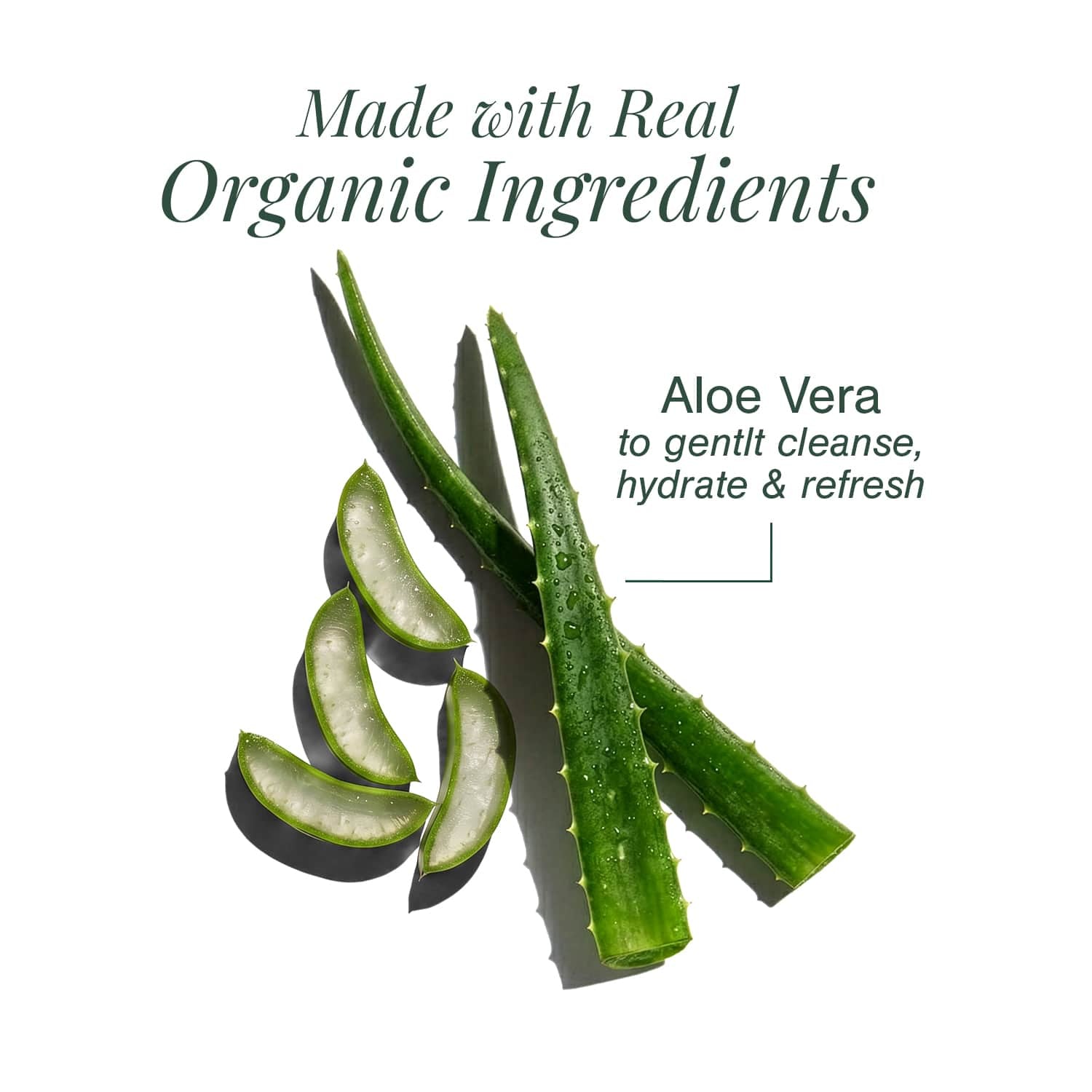
Aloe is the one kitchen favourite we would genuinely recommend, with one caveat: a formulated aloe vera gel is easier to use and far more predictable than a freshly cut leaf, which carries latex from just under the rind and can sting. Our complete guide to aloe vera gel covers how to choose one if you are sensitive to fragrance or added alcohol.
4. Turmeric, for a traditional ritual
Turmeric is woven into Indian beauty traditions, and there is real affection for it. In practice, DIY turmeric pastes stain skin and clothing, and they can irritate sensitive skin. More turmeric does not mean more glow. If the appeal is the brightening association, how turmeric actually works on skin is worth five minutes before you reach for the jar.
5. Rice water, as an occasional experiment
Rice water appears in home routines across Asia, though the evidence behind homemade preparations is thin. If you want to try it, prepare it hygienically, use it the same day and stop at the first sign of irritation. We have written more on the beauty benefits of rice water, including where the claims outrun the research. A rose water mist is a tidier way to get the same refreshed feeling.
What Should You Avoid in a DIY Face Mask?
Some popular recipes are worth avoiding outright:
- Lemon juice. Highly acidic, and it can make skin more reactive to sunlight, which risks the exact pigmentation you were hoping to fade.
- Baking soda. Strongly alkaline, and it works against the skin's naturally acidic surface. The pH of what you put on your face matters more than most recipes admit.
- Toothpaste, vinegar and essential oils applied neat. All three turn up in online "hacks", and all three regularly cause burns and reactions.
We have a fuller list in 10 skincare DIY ingredients you should never put on your face, and a longer look at where homemade genuinely makes sense in DIY vs formulated skincare.

What Actually Helps With Dull Skin
If a mask is the fun part of your routine, the unglamorous part is what changes how your skin looks over weeks rather than hours. Three things carry most of the weight.
A cleanser that does not strip. Dullness is often just dehydration and a disrupted surface. A gentle organic face wash leaves skin comfortable rather than tight.
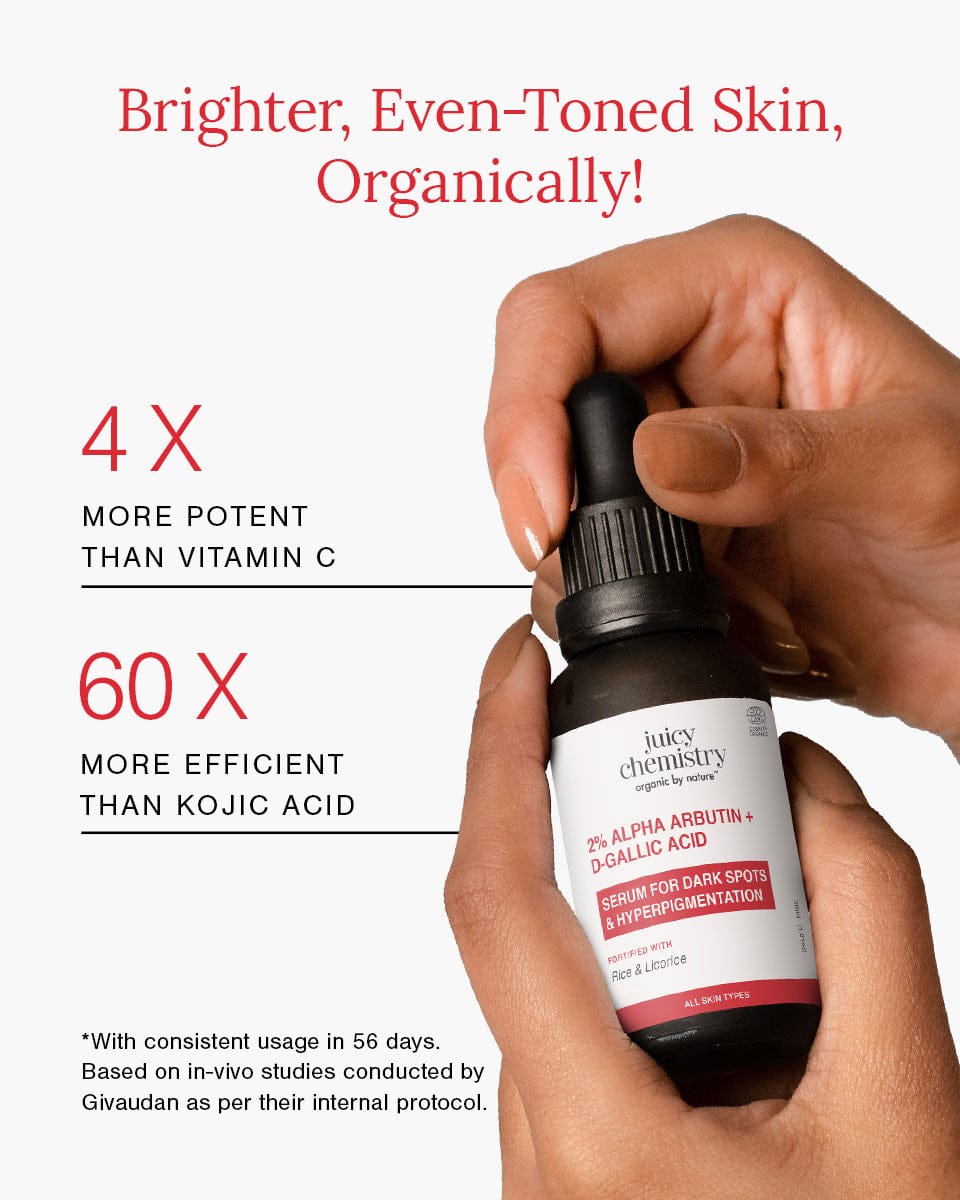
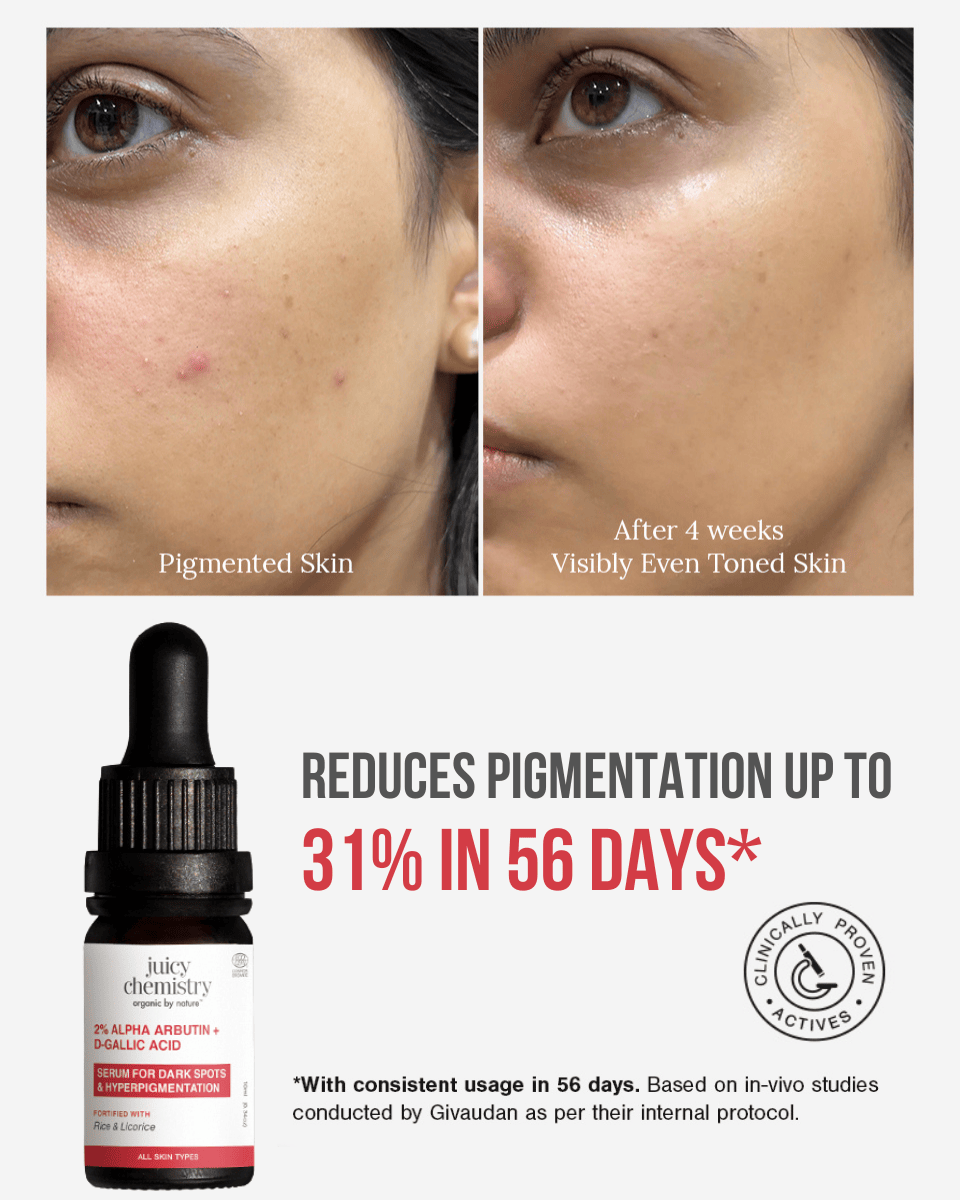
One targeted active, used consistently. For uneven tone and dark marks, alpha arbutin is a gentler route than the acids most DIY recipes imitate. Our practical guide to using alpha arbutin explains how to introduce it, and the pigmentation and dark spots range groups the options together. Give any active eight to twelve weeks before judging it.
Daily sun protection. This is the one that makes the others worth doing. Without it, UV exposure undoes weeks of brightening, which is why choosing a mineral sunscreen matters as much as the serum underneath it.
If you are putting a routine together from scratch, how to layer skincare sets out the order, and our organic face serums, scrubs and masks are formulated with COSMOS-certified organic ingredients, so you know what is in them.


The Honest Answer
A DIY face mask is a nice ritual and an occasional hydration boost. It is not a treatment, and the kitchen ingredients that promise the most - lemon, baking soda, neat essential oils - are the ones most likely to set your skin back. Keep the ritual if you enjoy it, keep it gentle and brief, and let a simple organic face care routine do the actual work.
FAQs
Q: Which homemade face mask is best for glowing skin?
A: There is no single best mask for everyone. A simple, gentle option can temporarily improve how hydrated and smooth your skin looks, but the result depends on your skin type and the ingredients you use. Consistent cleansing, moisturising and sun protection do far more for glow than any weekly mask.
Q: Can I use a DIY face mask every day?
A: Daily masks are unnecessary and can irritate, particularly if they contain exfoliating or strongly fragranced ingredients. Once a week is plenty. Stop straight away if your skin becomes itchy, red or uncomfortable.
Q: Is lemon juice good for glowing skin?
A: No. Applying lemon juice directly to the face is not recommended. It is highly acidic and can make skin more sensitive to sunlight, which may lead to redness or further pigmentation, the opposite of what most people are hoping for.
Q: How long should I leave a homemade face mask on?
A: Keep it brief, around ten minutes. There is no proven safe duration for homemade mixtures, so avoid sensitive or broken skin, never leave a mask on until it cracks and tightens, and rinse immediately if you feel any discomfort. Formulated masks should follow the directions on the pack.