DIY vs Formulated Skincare: When Does Homemade Actually Make Sense?
October 06, 2026The appeal of DIY skincare is obvious: a few ingredients, a bowl and a recipe. But a cosmetic formula is much more than a collection of ingredients. Understanding the difference helps you decide when DIY is fun and when formulation really matters.
Skincare is a system
A finished cosmetic formula has to balance concentration, pH, solubility, stability, preservation, compatibility, texture and packaging. Two ingredients that sound lovely separately can behave very differently when combined.
Why water changes the equation
Water-rich mixtures can support microbial growth if they are not properly preserved. A homemade mixture of aloe, rose water and botanicals may look harmless, but you cannot assume it is microbiologically safe simply because the ingredients are natural.
Vitamin C is a good example
Vitamin C products require decisions around the form of vitamin C, concentration, pH, stability, oxygen exposure, light and packaging. Mixing a powder into water does not reproduce the work of a cosmetic chemist.
What about aloe and rose water?
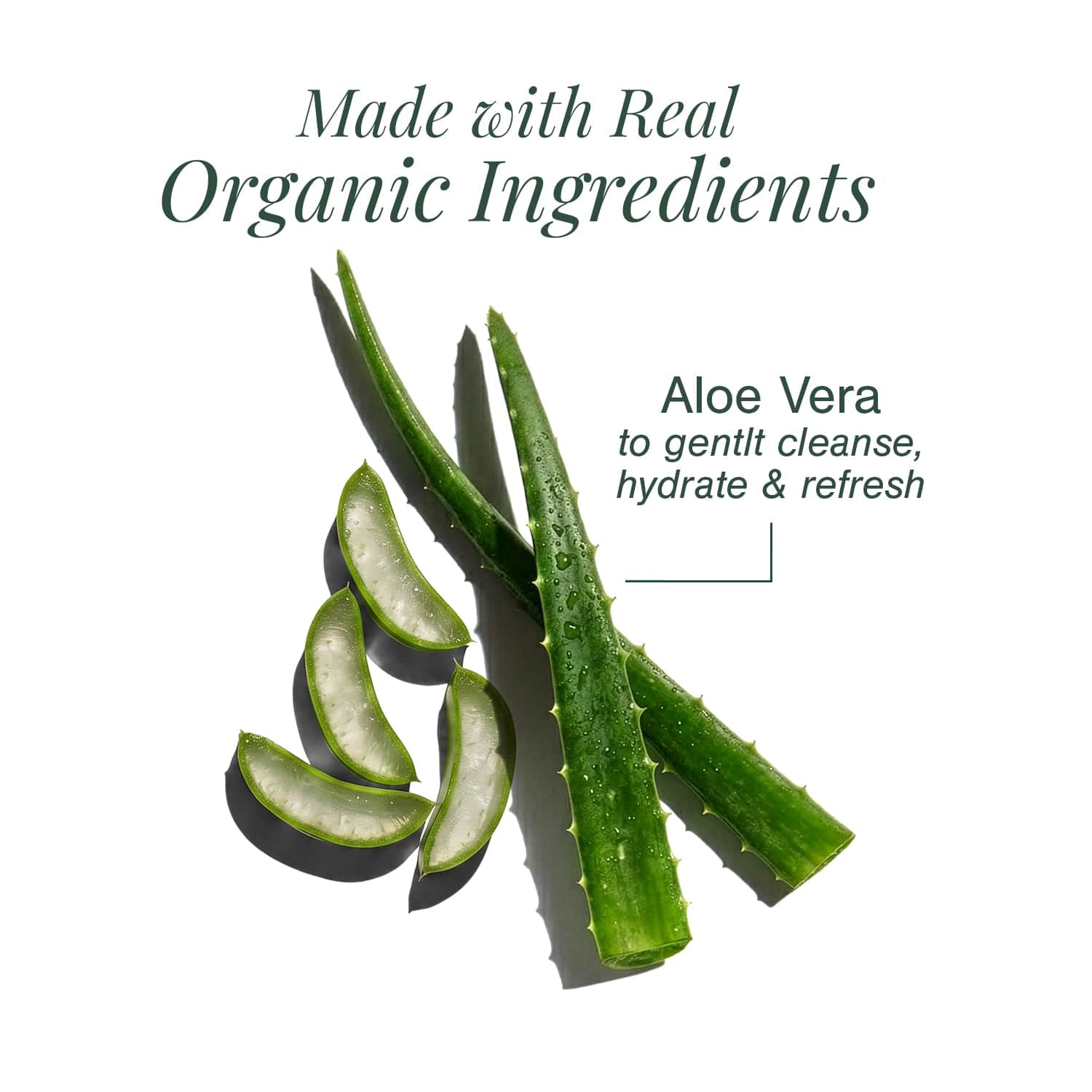
Both are useful cosmetic ingredients, but combining them in a bowl does not automatically create a stable product. The finished formula needs an appropriate preservation and stability strategy if it is meant to be stored.
When is DIY useful?
DIY is best for simple, immediate-use rituals such as a fresh oatmeal mask or a bath soak. Make only what you need and avoid storing water-rich homemade mixtures.


When should you choose formulated skincare?
Choose professionally formulated products when you want controlled active concentrations, a defined pH, preservation, shelf life and specialised delivery. JC's hydrosol article is a good example of how even a seemingly simple botanical water has a specific production and storage story.
The formulator's takeaway
Good formulation does not make skincare less natural. It makes the product more predictable, stable and usable. That invisible formulation work is part of what turns an ingredient into a reliable cosmetic product.
Recommended internal links
hydrosol article | beauty blog library
FAQs
Q: Is DIY skincare bad?
A: Not necessarily. Simple, immediate-use DIY rituals can be fine, but high-performance or water-based formulas are better left to proper formulation.
Q: Why does skincare need preservatives?
A: Water-based products can support microbial growth, so an appropriate preservation system is often necessary for product safety and shelf life.
Q: Can I mix aloe vera gel and rose water?
A: You can make a fresh, immediate-use mixture if the ingredients are suitable, but do not assume a homemade water-rich mixture is safe to store.
Q: Is natural skincare the same as DIY skincare?
A: No. Natural or organic products can still be professionally formulated, preserved, tested and manufactured.