Alpha Arbutin and Lactic Acid: Can You Use Both for Brighter Skin?
Liquid error (sections/article-template line 266): The format option 'month_day_year' is not a supported format.
Juicy Chemistry


The rains are here, and so is that familiar skin confusion. One day your face feels greasy by noon. The next, your cheeks feel tight and dry. Breakouts appear out of nowhere, and your usual routine suddenly feels like too much or not enough.
Here is the thing. Monsoon skin trouble is not always about what your skin is doing. More often, it is about what you are doing to your skin. The humidity and dampness during the rainy season create ideal conditions for skin concerns like excess oil, clogged pores, and surface dullness. And certain habits, the ones most of us default to, can make all of that worse.
So before you blame the weather entirely, let us look at seven monsoon skincare mistakes you might be making without realising.

Your skin feels sticky. The air is humid. So you skip moisturiser. Makes sense, right? Not quite.
When humidity rises, your skin produces more sebum. But surface oil does not mean your skin is hydrated. In fact, skipping moisturiser can send your skin into overdrive, producing even more oil to compensate for the lack of moisture underneath.
The fix is simple. Switch to a lightweight, non-greasy moisturiser or a hydrating facial oil that absorbs quickly. Your skin still needs that moisture barrier, even in July.
When your skin feels sweaty and grimy, the temptation to wash constantly is real. But over-cleansing strips your skin of its natural oils and weakens the acid mantle, the protective layer that keeps bacteria and irritants out.
Two to three washes a day is plenty for most people, even in humid weather. And the kind of cleanser you use matters just as much as how often you wash. Harsh, foaming cleansers with sulphates can leave your skin feeling tight, dry, and irritated, especially when you are using them multiple times a day.
A gentler approach works better. Something enzyme-based, like Juicy Chemistry's Certified Organic Brightening Enzyme Cleanser, dissolves dead cells and buildup without scrubbing or stripping. The pineapple and papaya enzymes do the work biochemically, so there is no abrasion. And Pentavitin in the formula locks in moisture for up to 72 hours after cleansing, which means your skin does not end up dehydrated even after a thorough wash.
Cloudy skies do not block UV rays. UVA rays, the ones responsible for pigmentation and premature ageing, pass through clouds and even glass. Skipping sunscreen on overcast monsoon days is one of the most common mistakes, and it has a real cost.
Apply your sunscreen every single morning, rain or shine. A mineral sunscreen with broad-spectrum protection sits well under makeup and does not clog pores in the humidity. Just make sure you reapply if you are spending extended time outdoors.
Your winter skincare routine was probably rich, thick, and deeply nourishing. And that was perfect for dry, cold air. But carrying those same products into the monsoon can overwhelm your skin.
Heavy creams, thick balms, and occlusive layers trap sweat and sebum underneath, which can lead to clogged pores and breakouts. The humid season creates conditions where skin concerns flare up more easily, so lighter formulations are your best friend right now.
Swap rich creams for gel-based or water-based moisturisers. Use facial oils that absorb well instead of sitting on the surface. Your skin will still get the nourishment without feeling suffocated.
Toning might feel like an optional step, especially when your routine already feels long. But during the monsoon, toner does something really important. After cleansing, your skin's pH can shift towards the alkaline side, especially if your cleanser was on the stronger side. A good hydrosol or toner helps bring that pH back to where your skin likes it, between 4.5 and 5.5.
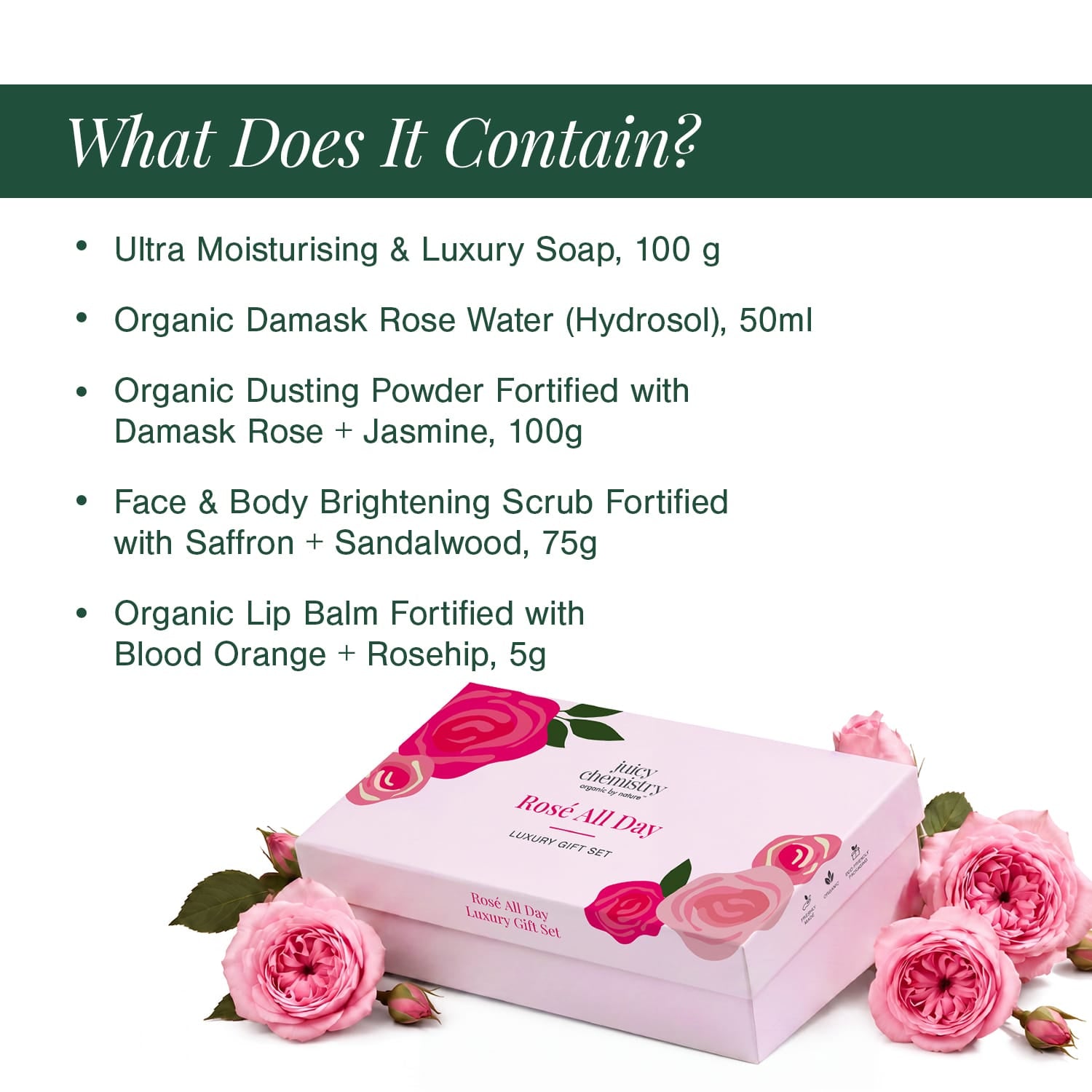
When your pH is balanced, your skin absorbs serums and moisturisers better and stays less reactive. The Organic Damask Rose Water from Juicy Chemistry is a steam-distilled hydrosol, not a fragrance-added rose water. The natural compounds from the distillation process, like geraniol and flavonoids, help calm redness, restore pH, and prep the skin for the rest of your routine. A quick spritz after cleansing, morning and evening, goes a long way.

Monsoon skin tends to look dull. The humidity, sweat, and pollution create a layer of grime that makes your skin look tired. The instinct to scrub it off is strong.
But physical scrubs with rough granules can cause micro-tears on already sensitive monsoon skin. The constant friction weakens your barrier further and can actually make breakouts worse.
A smarter approach is enzymatic exfoliation. Plant enzymes gently dissolve dead cells at the surface without any rubbing or abrasion. If you are already using the enzyme cleanser mentioned above, you are getting that gentle exfoliation with every wash. No separate scrub needed.
Rain on your face, wiping sweat with your hands, adjusting your mask, tucking hair behind your ear. The monsoon gives you so many reasons to touch your face without even thinking about it.
Every time your hands meet your face, you transfer bacteria, oil, and dirt onto your skin. During the humid season, when pores are already more congested and prone to breakouts, that extra bacterial load can tip things over.
Keep a clean towel or tissue handy for sweat. Try to be conscious about the face-touching habit, especially when you are commuting or stepping out in the rain. A small thing, but during monsoon it makes a noticeable difference for acne-prone skin.
The rains do not demand a complicated 10-step routine. What your skin needs in this season is simplicity with intention. A gentle cleanser that does not strip. A hydrosol that restores balance. A lightweight moisturiser. Sunscreen, always. And fewer heavy layers overall.
If you want a more detailed monsoon skincare routine tailored to different skin types, Juicy Chemistry's guide is a good place to start.
The goal is not perfection. Just fewer mistakes and a little more awareness about what your skin actually needs when the humidity takes over.

Q: Should I use a different cleanser in the monsoon?
A: Yes, switching to a gentle, enzyme-based cleanser can help. Harsh, foaming washes strip your skin in humid weather, which triggers more oil production and makes breakouts worse.
Q: Do I really need sunscreen when it is raining?
A: Absolutely. UV rays, especially UVA, pass through clouds easily. Skipping sunscreen on grey days still exposes your skin to pigmentation and sun damage.
Q: Why does my skin break out more during the rainy season?
A: High humidity causes excess sebum production. Combined with sweat, dirt, and clogged pores, breakouts become more common. Keeping your routine light and your skin clean without over-washing helps.
Q: Can I skip moisturiser if my skin feels oily in the monsoon?
A: No. Oily skin does not mean hydrated skin. A lightweight moisturiser helps balance oil production and keeps your barrier strong, even in humid weather.


Shop Now