The Two Unsung Heroes that Revitalise Your Skin!
Liquid error (sections/article-template line 277): The format option 'month_day_year' is not a supported format.
Juicy Chemistry

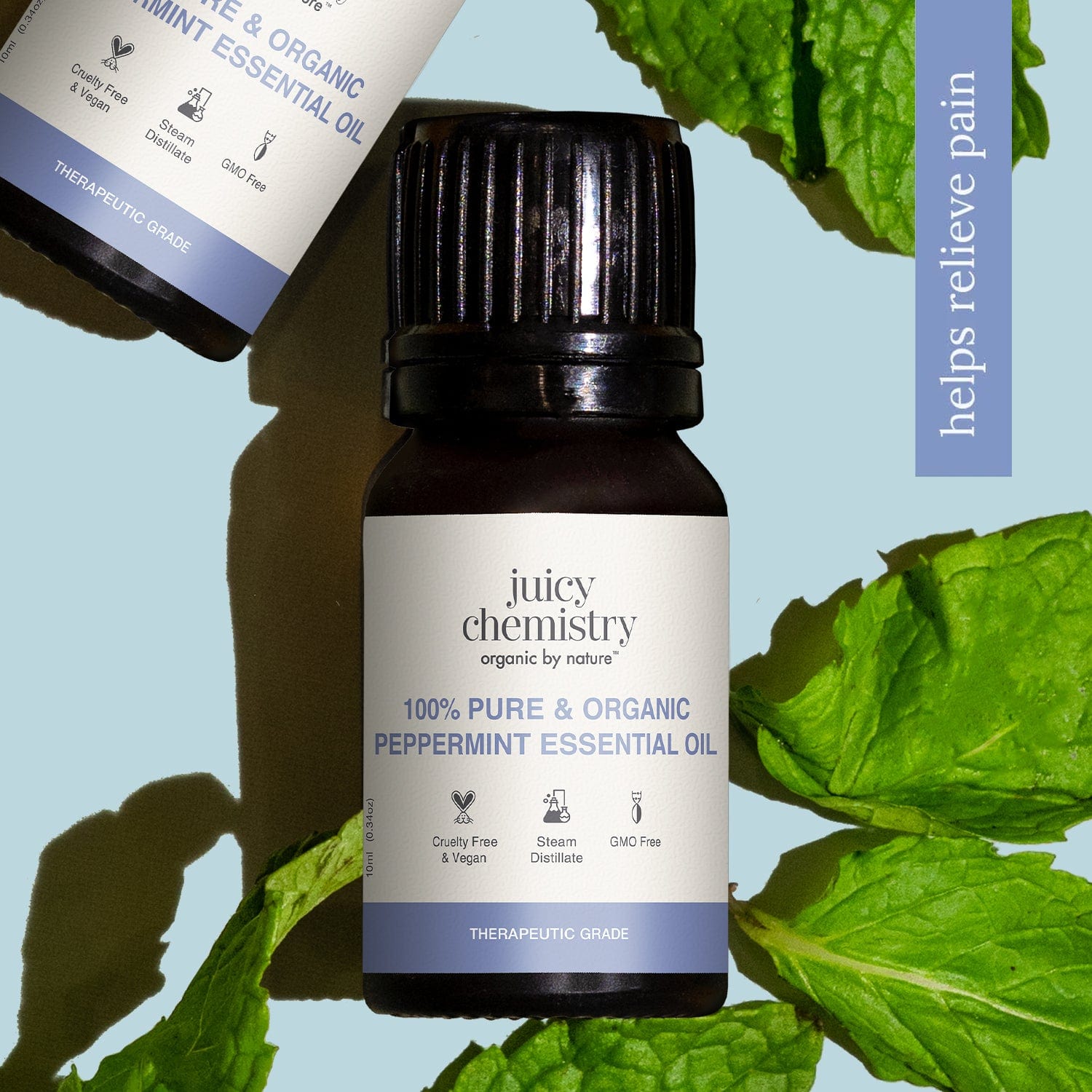
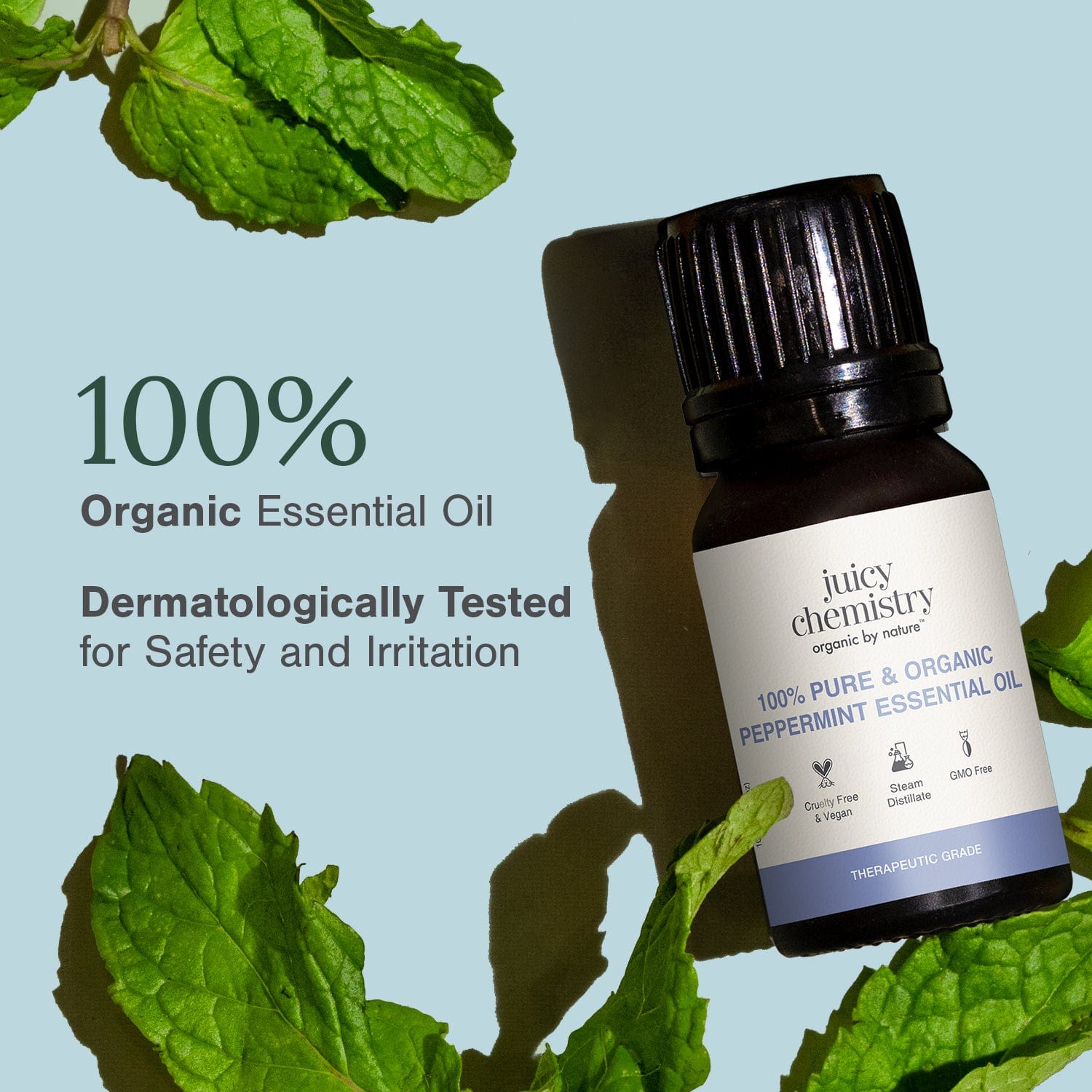
You may have heard about 'essential oils'. But what exactly are they? What makes them so special? Let's find out! Essential oils are highly concentrated oils obtained from parts of plants. These oils can be extracted from a plant's flowers, bark, stem, leaves, fruits and roots. In a way, these oils capture the 'essence' of the plant they're made from in terms of scentand flavour.

They have several uses. You can add essential oils to vegetable oils, soaps and shower gels. They're also widely used in aromatherapy wherein they're inhaled to soothe the body and mind. For example, lavender oil is supposed to have a very soothing fragrance that helps the body relax and wind down. The same goes for sandalwood which also helps increase focus.
In comparison to pure plant oils, essential oils are highly concentrated. They’re 100% plant extracts! Consider the following – to make 1 kilo of essential oil, you need 10,000 kilos of rose petals, 250 kilos of lavender and 3000 kilos of lemon! In contrast, for 1 kilo of plant oil, you need 10 kilo of coconuts, 20 kilos of tamanu nuts, 30 kilos of Argan fruit and 4 kilos of black seed! Pure plant oils are not as concentrated as essential oils so you can apply them directly to the skin. They’re also not as volatile (quickly evaporating) as essential oils which are mixed with carrier oils (plant oils) to make them more stable and dilute them a bit for applying topically.
We've taken a look at some popular essential oils but you need to know how to apply these properly! Remember, they're 100% plant extracts; that means they're extremely concentrated so you have to be careful with application. Here are some dont's that you need to follow when it comes to essential oils!
Using essential oils directly can cause rashes and burns. You must always mix them with carrier oils such as jojoba, rosehip or olive oil. Add no more than 3 to 5 drops of essential oil to one teaspoon of carrier oil. There are special cases where you can apply essential oils directly to the skin, but always consult a skin expert before doing so!
Shop our range of cold-pressed organic carrier oils *here*.
Essential oil capsules are readily available in the market today but that doesn't mean you don't have to consult a doctor before taking them. Essential oils can be just as potent as traditional medicines. For example, studies have found that oregano and thyme essential oils work just as well as traditional antibiotics for treating infections caused by bacteria, fungi, or parasites. Just like antibiotics, these essential oils destroy good bacteria as well as bad bacteria. So, always consult a doctor before taking these. Another important point to note is that essential oils in capsule forms are the ones that are to be consumed. The ones that come in dropper bottles are for external use only!
Certain oils, particularly citrus ones, make the skin more photosensitive. As a result, you can get pretty severe burns if you apply oils such as bergamot oil or orange oil. So always apply these oils at night and always follow up with a sunscreen of a high SPF in the mornings. If you’re outdoors a lot, make sure to reapply SPF every 2-3 hours.
Source: goodhousekeeping.com
Because essential oils are so concentrated, your skin may react to them. This is especially true for people whose skin just cannot handle any fragrance. It also can happen that your skin is sensitive to synthetic fragrance but can tolerate essential oils well. So, always do a patch test, on your inner arm for example, before applying any oil to your skin. If you get rashes, skip this one!
The truth is, we don’t fully know how essential oils affect our bodies. While using bathing soaps and lotions with essential oils in them is not a problem, expecting mothers should definitely avoid taking any capsules. Essential oils such as basil, clary sage, clove bud, hyssop, sweet fennel, juniper berry, marjoram, myrrh, rosemary, sage, thyme, and wintergreen should be avoided at all costs during pregnancy while others such as lavender, rose, chamomile among other floral oils are still okay to use.
While essential oils can do wonders for our skin and body, it is imperative you keep in mind the above points. The last thing you want is a nasty burn!


Shop Now