Face oils have taken the beauty world by storm. They feel luxurious and are a great pleasure to use on those days (and nights) when you want to pamper your skin. But despite their popularity, there’s still quite the aura of mystery surrounding them. So, let’s dive deeper into this product and see what’s what!
This may be news to you but facial oils have been around for a very long time. Ancient Egyptians reportedly used oils in cosmetics as early as 4500BC! But why should anyone use face oils?
Source: marthastewart.com
Essentially, putting oils on your face helps lock in moisture and aid the skin barrier. This makes them particularly useful as a part of your night-time skincare routine. Now, depending on which oil it is that you’re using, oils can also have anti-inflammatory, hydrating, and anti-acne properties. Let’s explore some popular face oils to give you a better idea of which oil does what!
Some Popular Face Oils
Hemp Seed OilThis oil certainly works miracles for the skin. It is lightweight and absorbs easily into the skin without clogging your pores (it is non-comedogenic). People with oily skin tend to steer clear of face oils but this one actually helps regulate oil production while hydrating the skin. It also has anti-acne properties and can be used to treat rosacea and eczema. Rich in vitamin E and antioxidants, hemp seed oil is also a great anti-ageing product!
Jojoba OilJojoba oil is a rather lightweight oil that is quite similar in texture to the oil are skin produces. According to research, the fatty acid molecules that compose jojoba oils are small enough to penetrate the layers of the skin and strengthen the skin barrier. How does that help? Your skin barrier is the outer layer of the skin that protects deeper layers from external factors such as pollution, debris and dust particles among others.
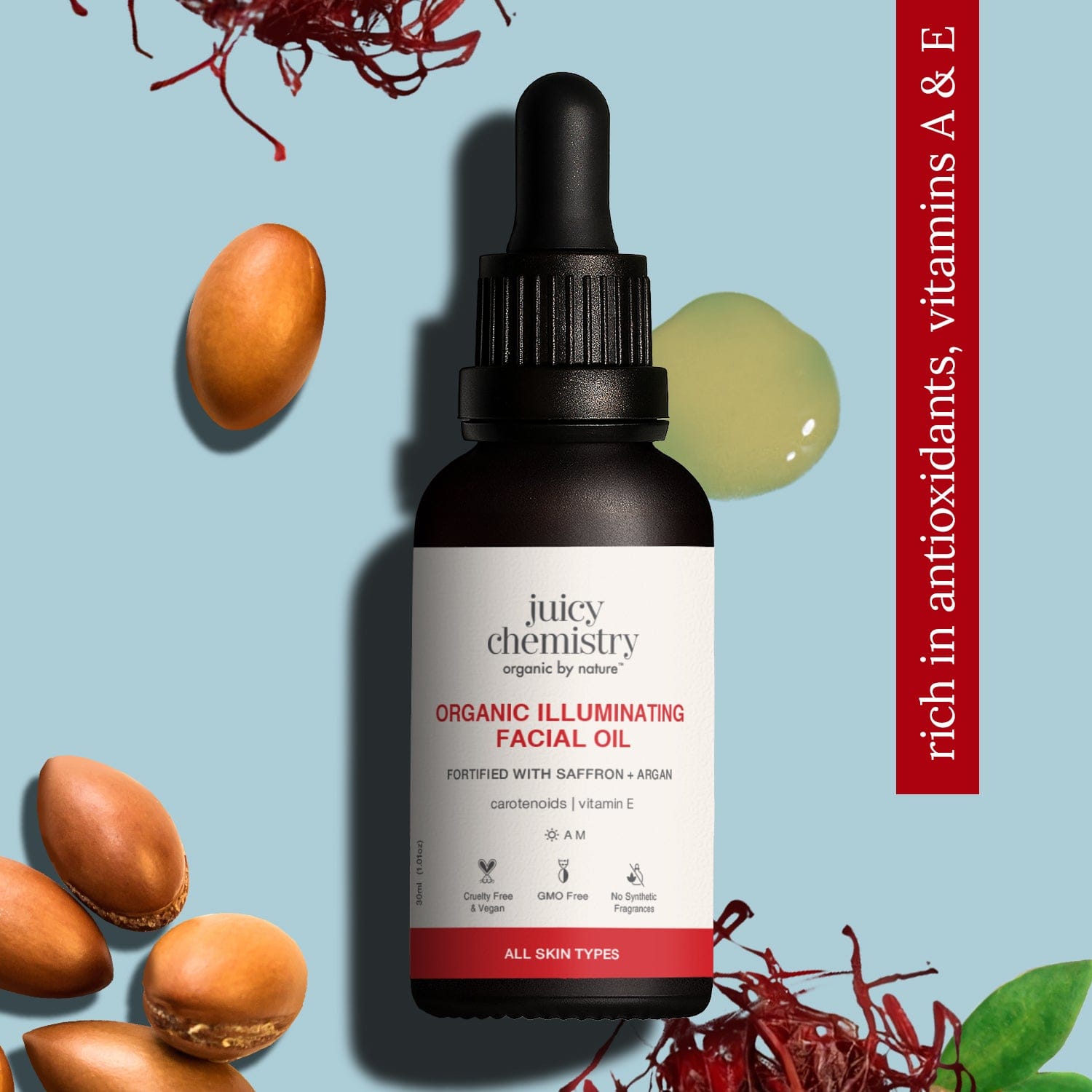
Argan Oil Argan oil is everywhere today - from shampoos and soaps to body butters and moisturizers - so it should not come as a surprise that argan oil itself is a rather popular face oil.
Like jojoba oil, argan oil is also lightweight and a strengthener of the skin barrier. It contains vitamin E which is moisturizing too.
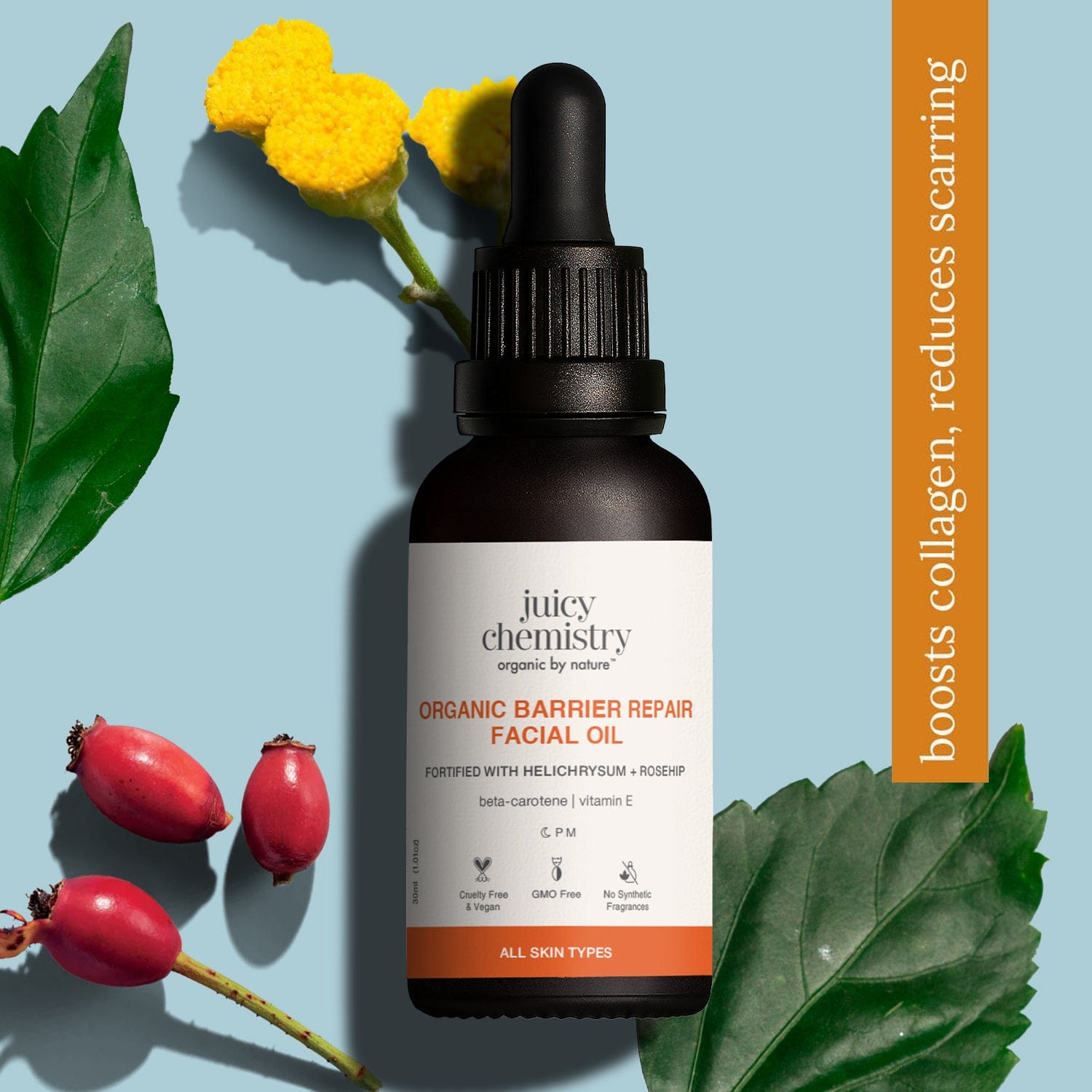
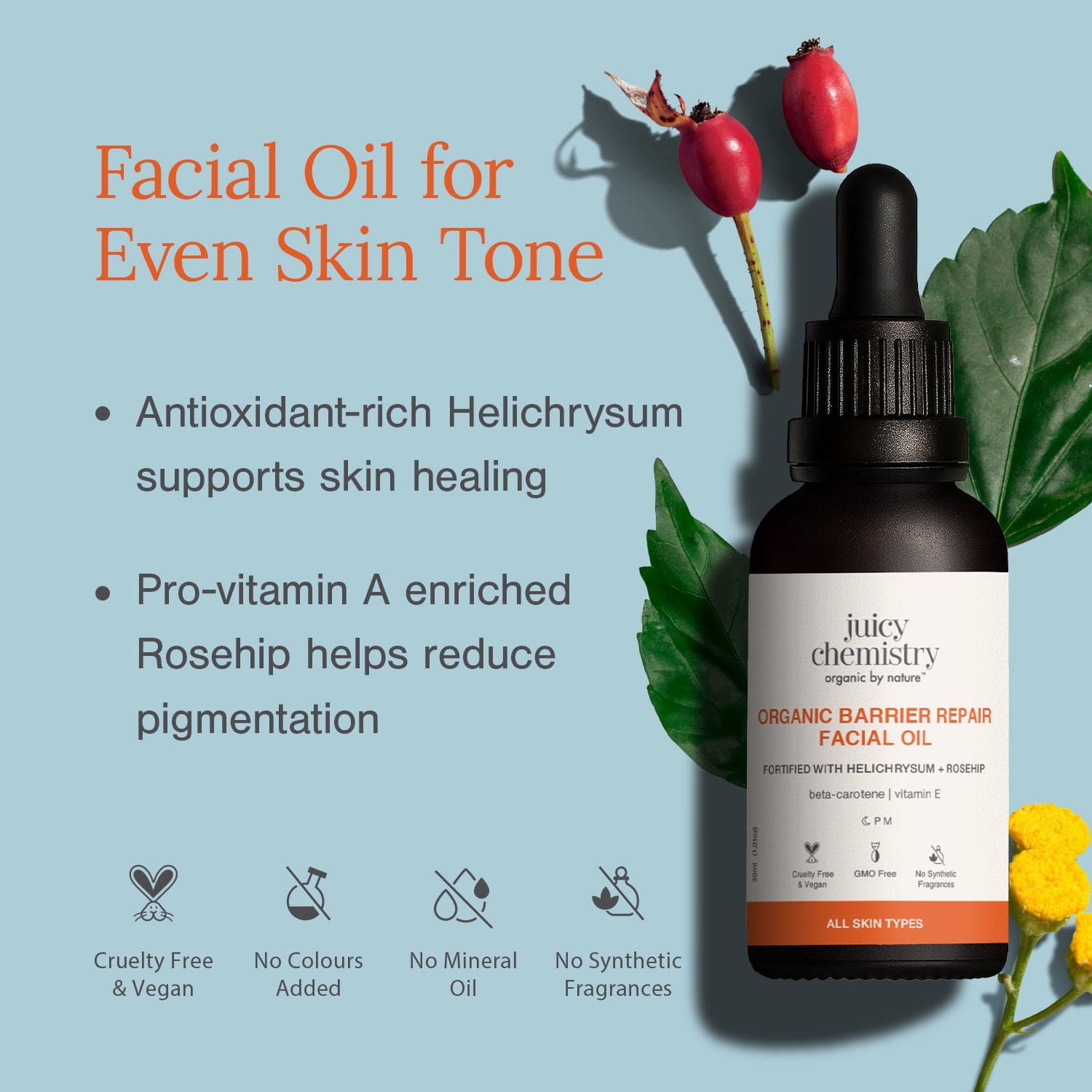
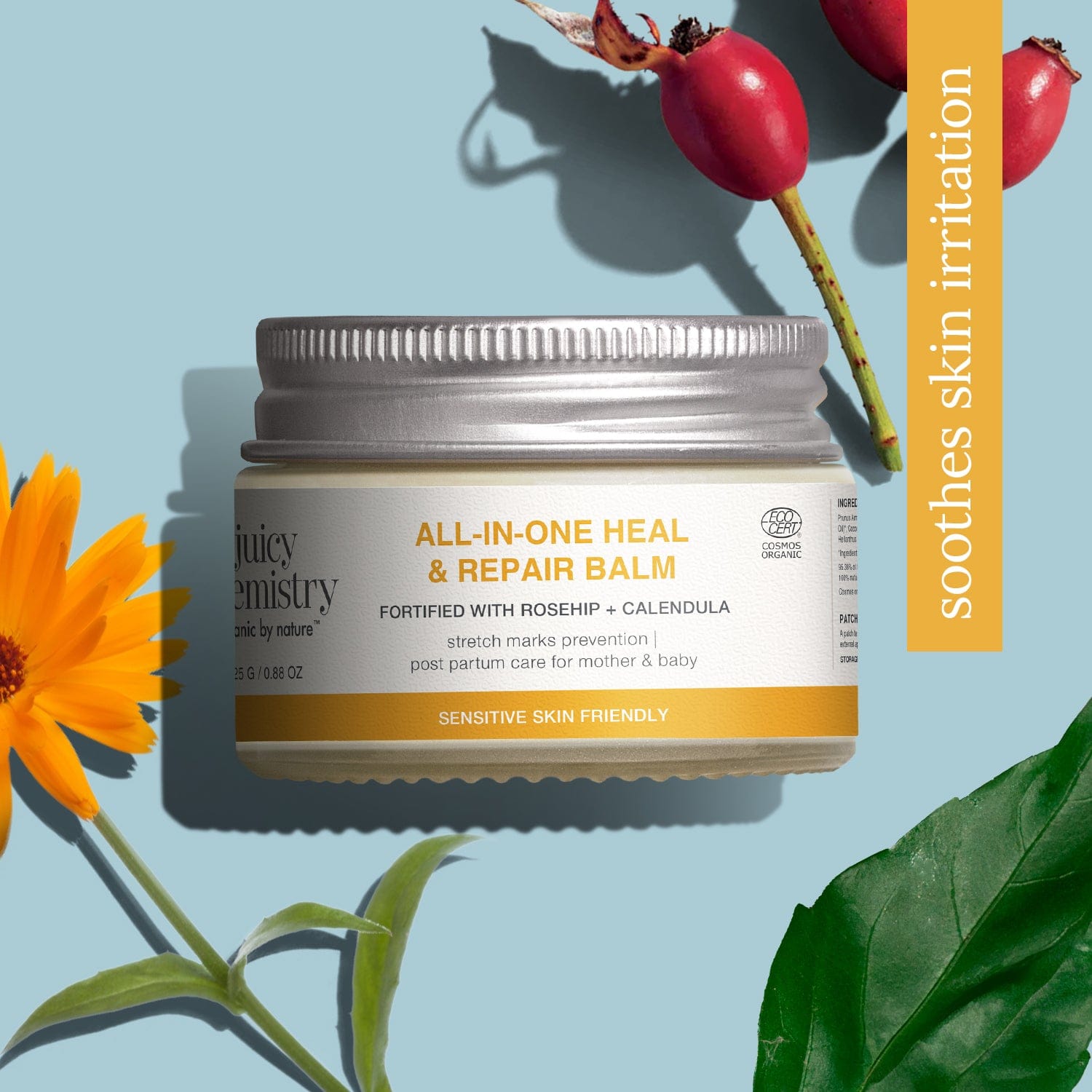
Rosehip Oil Rosehip oil is another really popular face oil that is rich in antioxidants. Antioxidants are great for the skin and help get rid of pigmentation and help the skin look more fresh and supple. Antioxidants are also great for anti-ageing.
Source: Photo by Kelly Sikkema on Unsplash
Essential Oils vs Carrier Oils vs Cold-Pressed Oils: What You Need to Know
If you’re new to face oils, all these terms can confuse you. So let’s break these down one by one.
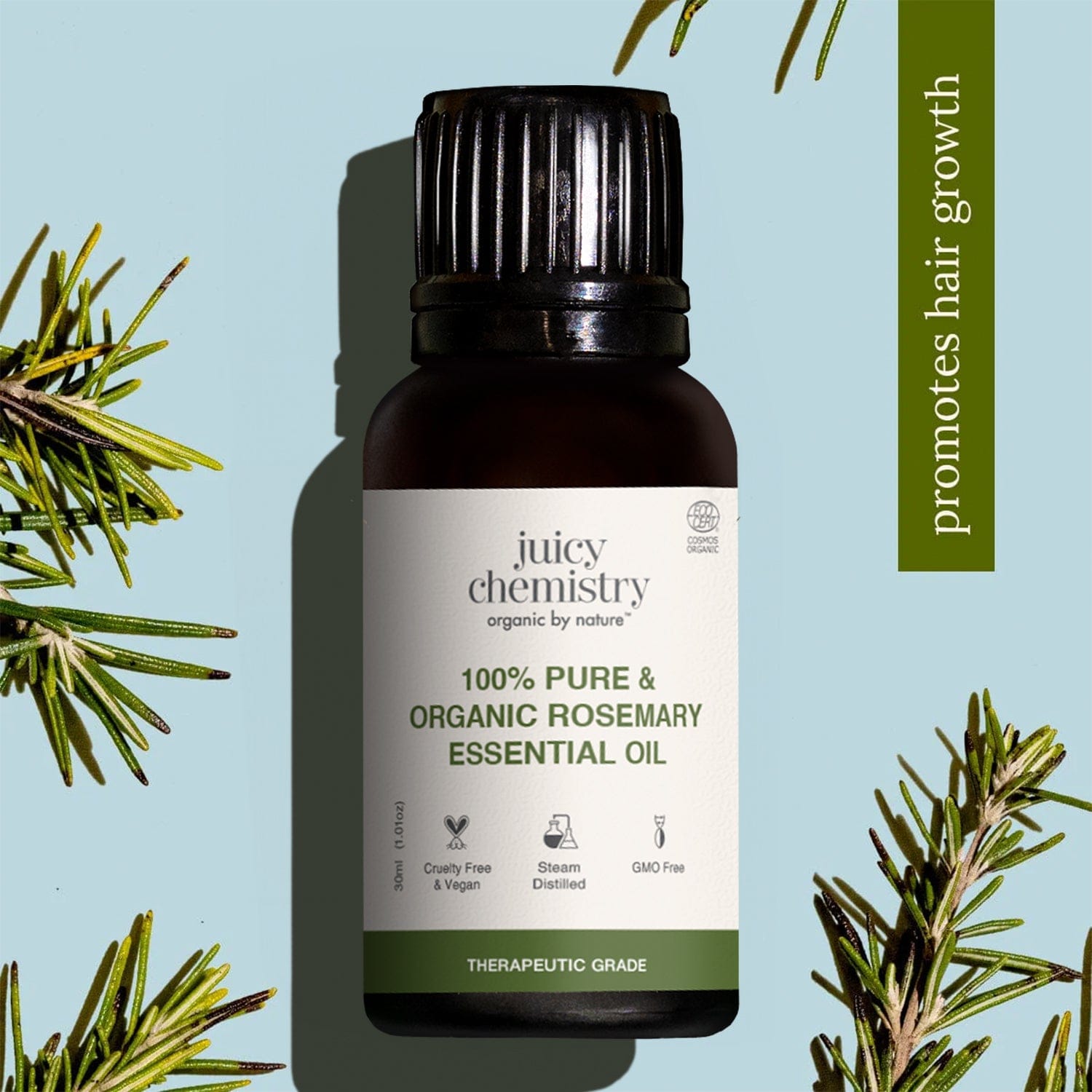
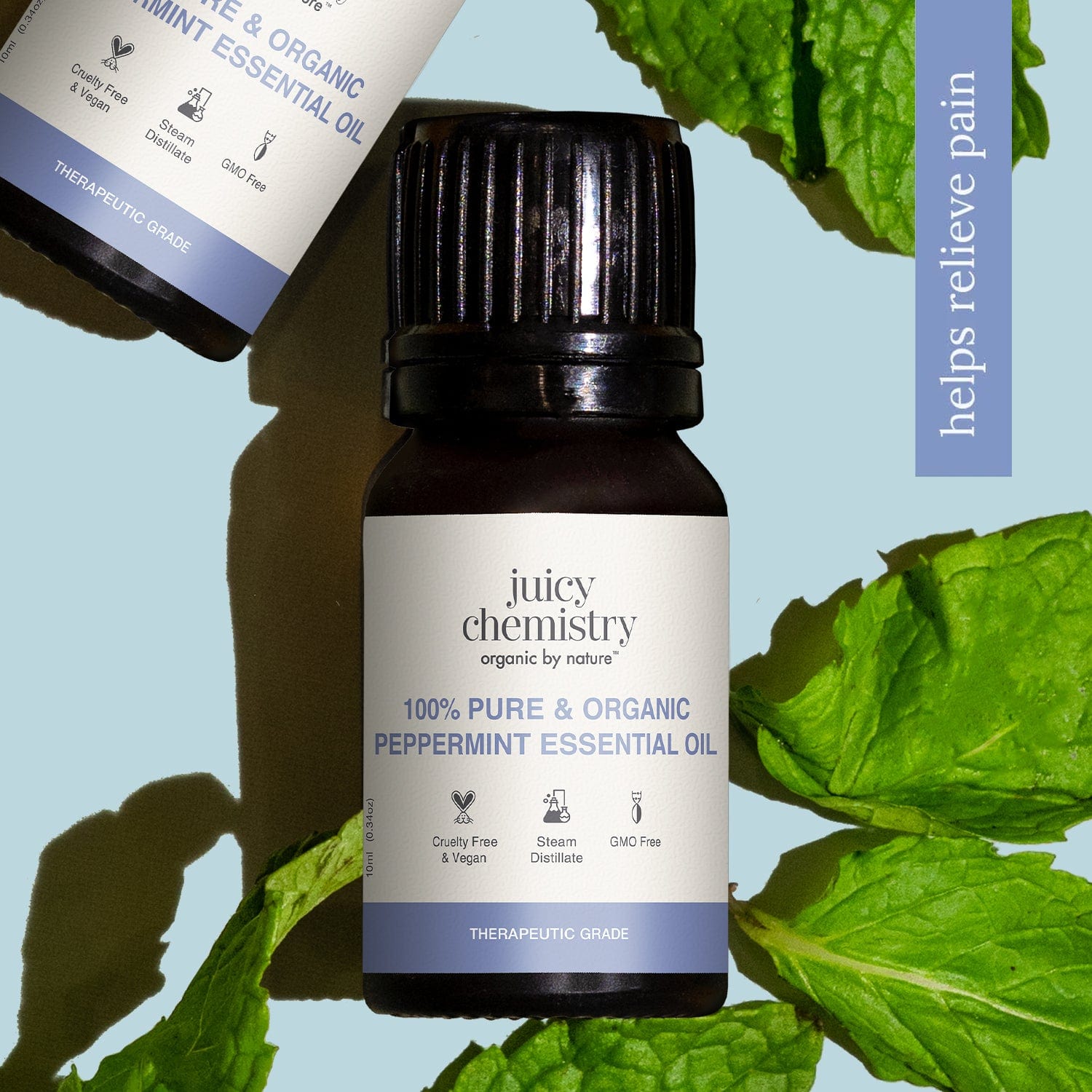
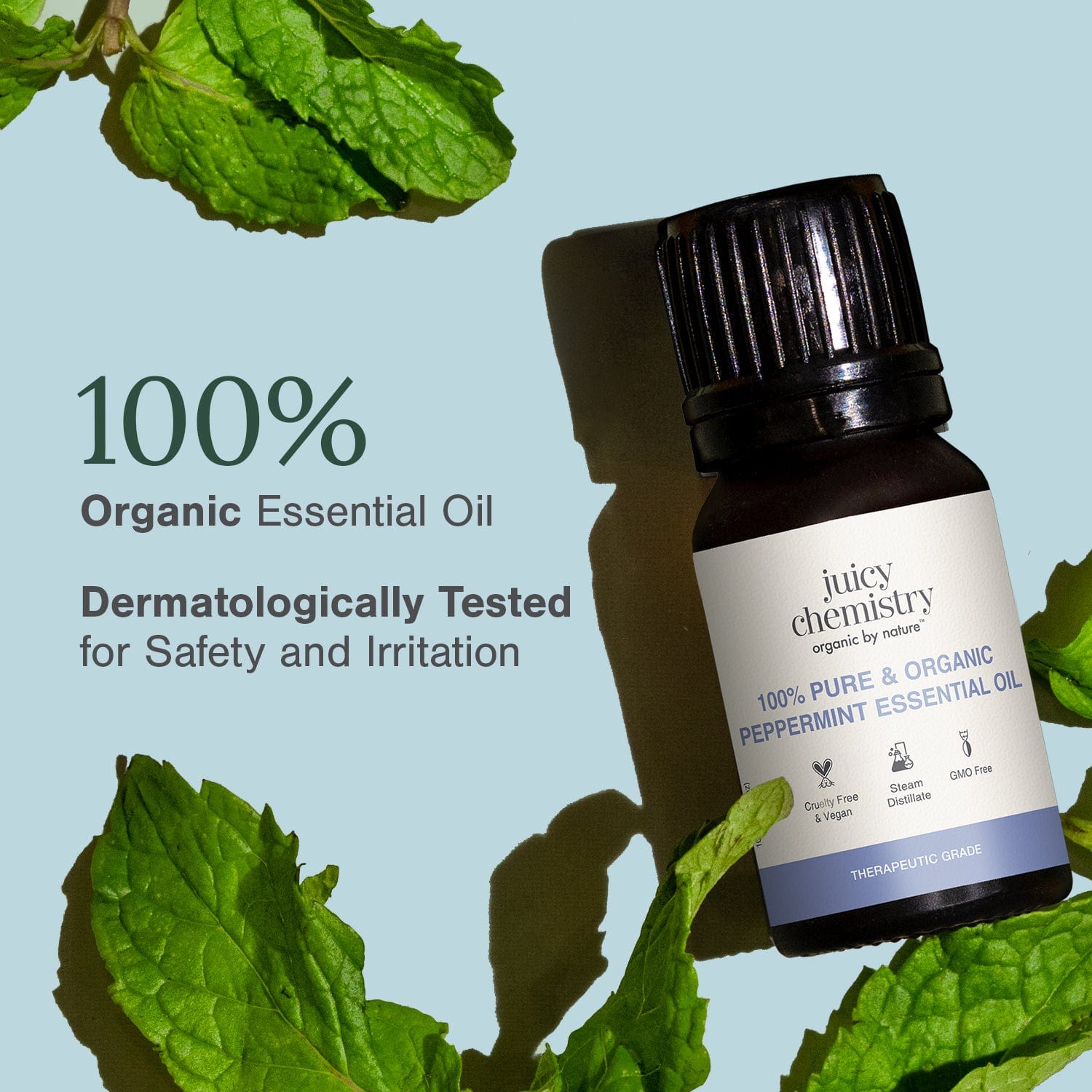
First up, essential oils. So, essential oils are highly concentrated formulas that are commonly used in aromatherapy. Given how concentrated they are, you must never apply these oils directly to your skin. Always mix them with a carrier oil otherwise essential oils may cause a reaction! They’re also very volatile and can evaporate or dissipate when they’re directly applied on the skin. Tea tree and lavender oils are two commonly used essential oils.
Moving onto carrier oils. Carrier oils, as the name suggests, are used to dilute essential oils. Essentially, these oils ‘carry’ the essential oils onto the skin. Carrier oils don’t have a very strong smell either (unlike essentials oils). They’re also very stable. Olive and grape seed oils are commonly used carrier oils.
Finally, cold-pressed oils are thus called because the fruits and seeds are pressed with a modern steel press to obtain the oil. They’re richer in antioxidants and vitamins as opposed to oils extracted from chemical processes.
Source: Photo by Chelsea Shapouri on Unsplash
Incorporating Face Oils into Your Skincare
Are you new to face oils? Confused about where to start and what to pick? Well, let’s sort that out. First off, in a skincare routine, there is a rule that is followed. You must go from thinnest to thickest. So, it’s cleanser, toner, serum, moisturizer, and then face oil.
There is a lot of debate regarding whether facial oils are moisturizing and hydrating. So first you need to understand that there are different types of moisturizers. You have humectants that add water to the skin, emollients that are used to soften and strengthen the skin barrier by filling in the space between skin cells and occlusive that help seal in products. Oils are generally either emollients or occlusives.
When used the right way, the right oil could be a great moisturizer and barrier-strengthener! You just need to know what you’re looking for and what your skin needs. So now, when you go shopping for some skincare, you'll know which face oil to buy!