The Two Unsung Heroes that Revitalise Your Skin!
Liquid error (sections/article-template line 277): The format option 'month_day_year' is not a supported format.
Juicy Chemistry


For most of us, having smooth silky hair is a distant dream. Mornings are spent trying to tame our wild manes so that our hair doesn’t look like a bird’s nest!
Like the skin, our hair requires a lot of care too. But who has the time (or the savings) for regular hair spas? Well, it turns out you don’t need to empty your pocket to maintain your hair. There’s a more economical and natural approach to getting healthy hair too. Read on to find out more! 
Source: glamour.com
What Does Healthy Hair Really Mean?
Let’s talk about the composition and structure of the hair. Our hair essentially has two components - the follicle on the skin (it’s a tunnel-like segment) and the shaft (the hair we see). Just below the surface of the skin, we have sebaceous glands that secrete sebum through the hair follicle. This oil lubricates the hair and scalp. It is also part of the slightly acidic (pH of around 5) film covering the scalp. This acidic level is key to keeping the cuticle layer (cuticles are tightly packed scales in the outer layer of the shaft) of our hair flat and closed.
A flat cuticle layer means smooth, shiny and soft hair. It helps each individual strand retain moisture, keeping them smooth and thereby less likely to get tangled. That means less hair fall too.
So, it seems simple enough, right? Just maintain a slightly acidic pH for the scalp and we’re all good! Unfortunately, it’s not that simple. Most shampoos and hair products available today have an alkaline pH (pH greater than 7) which disrupts the acidic levels of our scalp.
When the acid mantle becomes alkaline, hair swells and the scales on the cuticle open, leaving it susceptible to breakage. It also results in frizzy, brittle hair which has a “dull” appearance due to the fact that the hair is absorbing light instead of reflecting it. This is what makes our hair rough and frizzy over time.
So how can you maintain an acidic, well-balanced and healthy scalp? The answer is an apple cider vinegar rinse!
The Benefits of an Apple Cider Vinegar Rinse
The simplest solutions are often the best and in the case of ACV, this holds true. An easily available and accessible solution, an ACV rinse is great for solving a number of problems!
Maintaining an acidic pH
Being an acidic substance itself, apple cider vinegar helps maintain the natural pH of our scalp, making it smoother, softer and shinier.
Antimicrobial
If you struggle with dandruff then an ACV rinse could help you too. Because of its antimicrobial properties, ACV is great against bacteria, fungi and even minor infections and itchiness.
Great Exfoliant
ACV is rich in vitamins B and C and potassium that are really good for the hair. It also contains natural alpha-hydroxy acid which is a great gentle exfoliant. This helps ACV get rid of dead cells and product buildup that might be occurring in your scalp.
How To Do an ACV Rinse?
After shampooing, take the ACV rinse and pour it on your hair. Don’t worry too much about the smell. It lasts only as long as the rinse is on your hair. The moment you wash it off, the smell goes away too. Let the mixture sit for one to two minutes and then wash it off. You may or may not need to use conditioner on your ends after this but that varies from person-to-person.
You must be wondering - how often should you do a rinse? Well, just like the skin, everyone’s hair is different too. There’s no one-size-fits-all rule here. If your hair is dry and thin, do a rinse once or twice a month. If you have an oily scalp and dandruff, rinse once to twice a week. Hair length also makes a difference here.
Try rinsing once a week and see how your scalp and hair respond.
Source: vitagene.com
What to Watch Out For
We talked about how an ACV rinse helps balance the pH of your scalp. But there is a risk of overdoing it too so be careful about that. If your scalp and hair issues worsen after use, discontinue immediately. Also, make sure to avoid contact with the eyes.
Other Herbal Rinses
The ACV rinse is probably the most popular amongst herbal rinses. Depending upon your scalp and hair concerns, there are other types that you can opt for. While vinegar rinses are great for balancing pH and controlling frizziness, if you think you don’t require it then there are rinses made from filtered water that you can opt for too. Certain herbs are used in rinses and each has its own properties and benefits.
Here are some examples:-
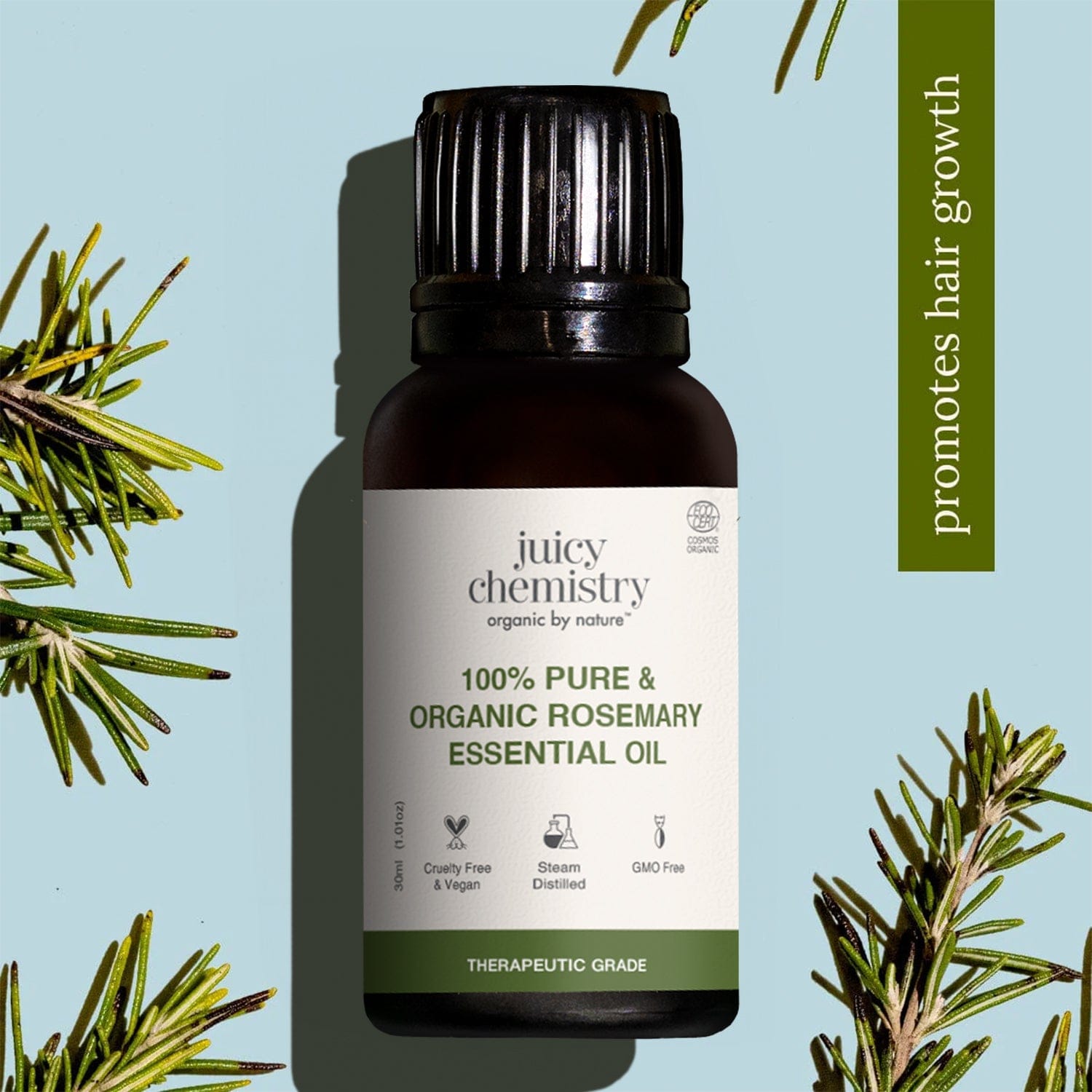
Rosemary: for oily hair/scalp, dull hair
Thyme: for dandruff, oily hair
Peppermint: for oily hair, hair growth
Horsetail: for hair growth, brittle hair
Burdock Root: for dandruff, oily hair, hair growth, shine, detangling
Basil: for dry, dull hair


Shop Now