Unlocking the Power of Ectoine: The Skincare Ingredient You Need to Know
Liquid error (sections/article-template line 277): The format option 'month_day_year' is not a supported format.
Juicy Chemistry

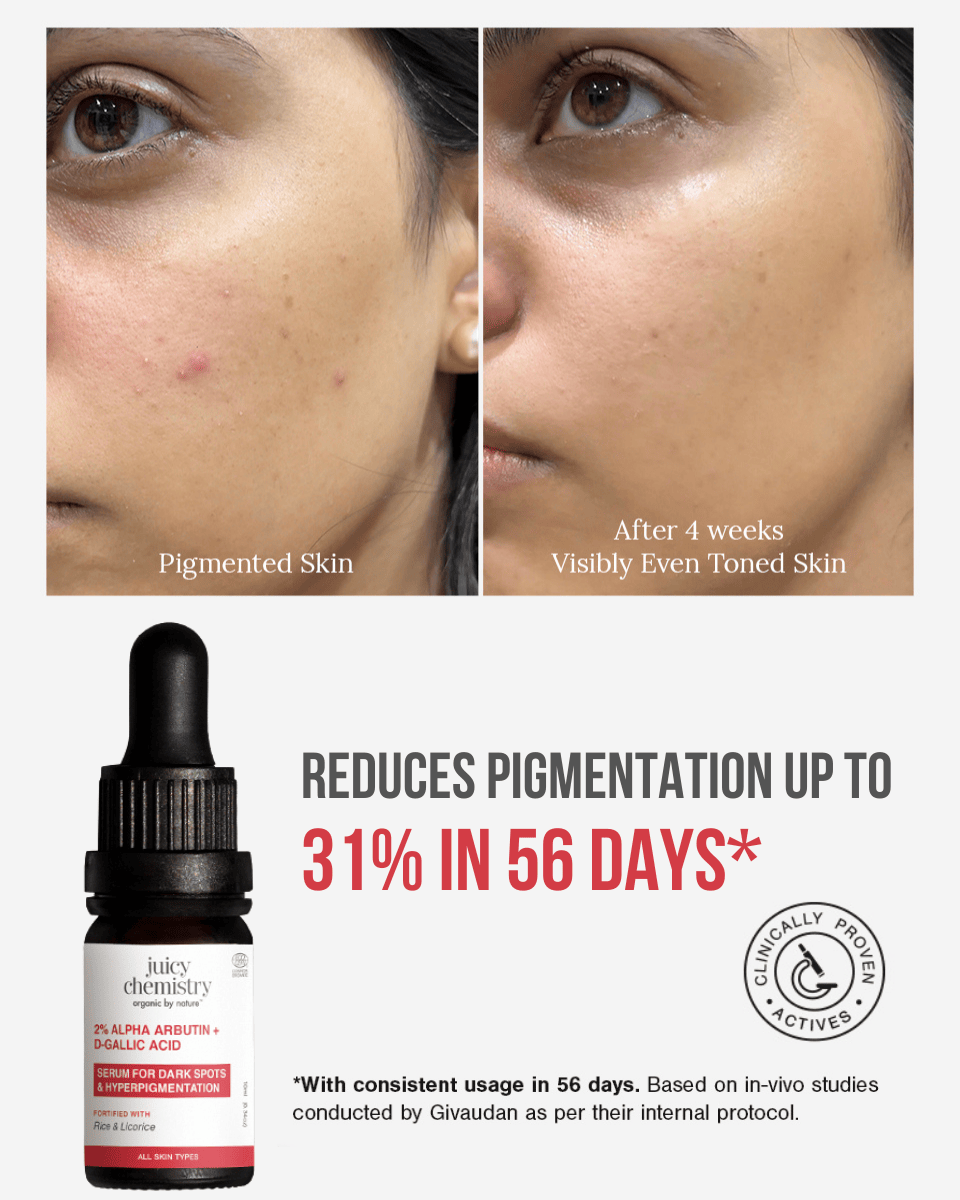
Pigmentation is one of the most common skincare concerns among Indian consumers. From dark spots and acne marks to melasma and uneven skin tone, hyperpigmentation affects all ages and skin types.
However, pigmentation behaves differently in melanin-rich skin. Indian skin naturally produces more melanin to protect against UV damage, but this also means the skin reacts more aggressively to triggers like acne, inflammation, and hormonal changes.
Why Pigmentation Is More Common in Indian Skin
Indian skin typically falls under Fitzpatrick skin types III, IV, and V. Because our pigment-producing cells (melanocytes) are naturally more active, even minor skin disruptions can leave behind stubborn marks.
Common Triggers:
Common Types of Pigmentation
Why Many Products Fail
Melanin production is a four-step process: activation, enzyme production, pigment transfer, and accumulation. Many products only target one stage. Truly effective treatments must:
Top Ingredients for Indian Skin
Certain actives are "gold standards" for treating hyperpigmentation while remaining gentle on melanin-rich skin:
1. Alpha Arbutin (The Dark Spot Specialist)
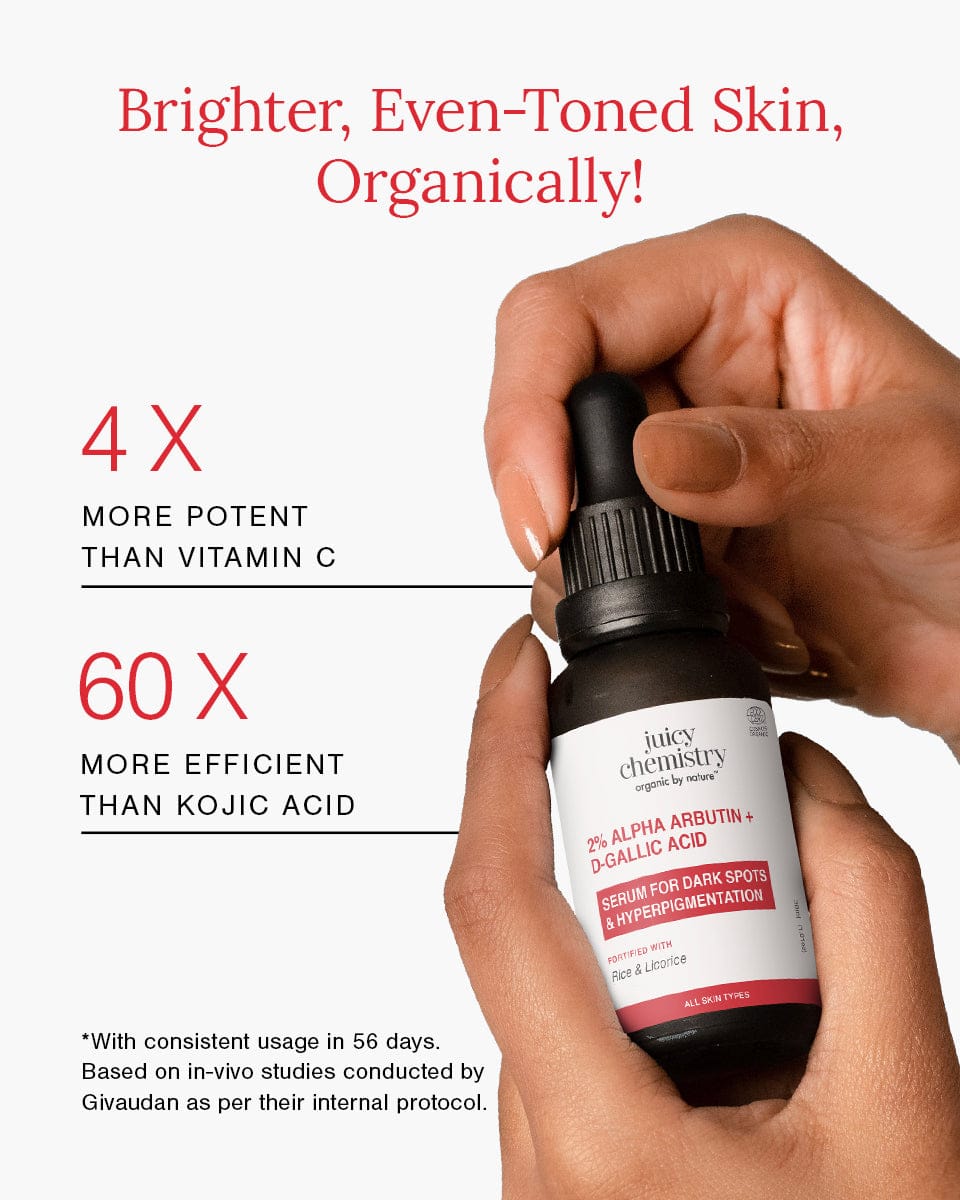
Alpha Arbutin inhibits tyrosinase, the enzyme responsible for melanin. It helps fade post-acne marks and prevents new spots from forming.
A powerful antioxidant that reduces melanin formation and boosts radiance. Using a stable Vitamin C derivative ensures the product stays potent and effective.
3. Niacinamide (The Tone Corrector)
Instead of stopping melanin production, Niacinamide prevents the transfer of pigment to your skin cells. It also strengthens the skin barrier and calms inflammation.
4. Exfoliating Acids (The Renewers)
5. Botanical Support
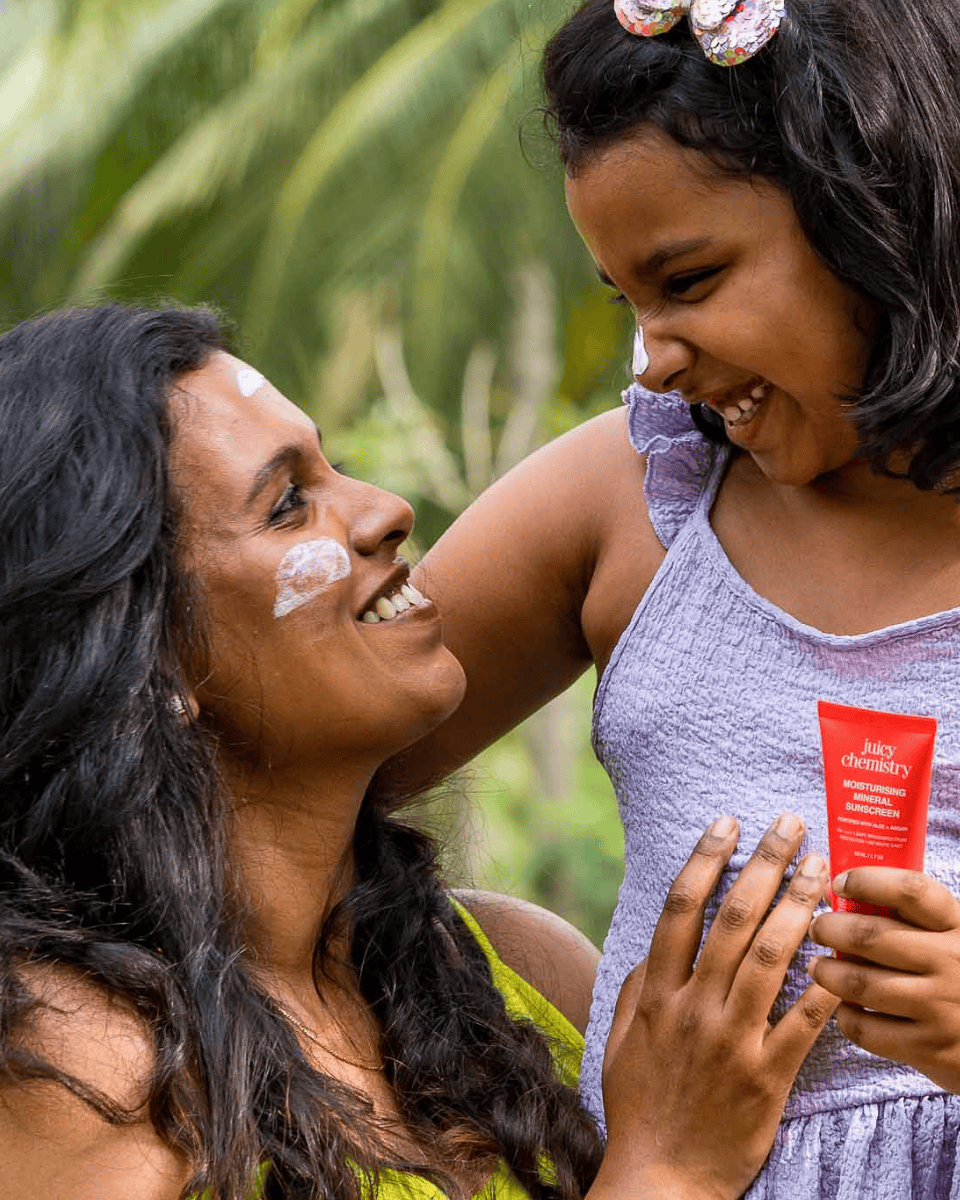
Treating pigmentation without sunscreen is impossible. UV rays act as a "switch" for melanin. Without daily protection, your spots will get darker, and active treatments won't work.
A Simple Pigmentation Routine
|
Morning Routine |
Night Routine |
|
1. Gentle Cleanser |
1. Cleanser |
|
2. Vitamin C Serum |
2. Alpha Arbutin Serum |
|
3. Niacinamide Serum |
3. Hydrating Serum |
|
4. Moisturizer |
4. Moisturizer |
|
5. Mineral Sunscreen (SPF 30+) or higher |
How long does it take to see results?
Consistency is key. You can expect to see visible improvements within 6–12 weeks.
What is the main cause of pigmentation?
In India, it is a combination of high UV exposure and Post-Inflammatory Hyperpigmentation (PIH) from acne.
Does sunscreen really help?
Yes. It is the most important step. It prevents existing spots from getting darker and stops new ones from forming.


Shop Now
Struggling with stubborn dark spots or an uneven skin tone? For Indian skin, pigmentation is more than just a surface-level concern—it’s a biological response to our environment. Because melanin-rich skin is naturally more reactive to sun, acne, and hormones, treating it requires a specialized approach. In this guide, we break down why traditional treatments often fail and highlight the science-backed ingredients—like Alpha Arbutin, Vitamin C, and Niacinamide—that actually work to restore clarity and radiance to Indian skin.