Monsoon Skincare Mistakes: 7 Things Making Your Skin Worse in the Rains
Liquid error (sections/article-template line 277): The format option 'month_day_year' is not a supported format.
Juicy Chemistry

As the daylight hours diminish and the nights grow longer and chillier, winter is gradually asserting itself, particularly through the manifestation of dry skin. The levels of humidity have significantly dropped, leading to increasingly parched skin. Even individuals with oily skin are not immune to the effects of the season, as their skin becomes lackluster, dehydrated, and flaky due to the winter conditions.
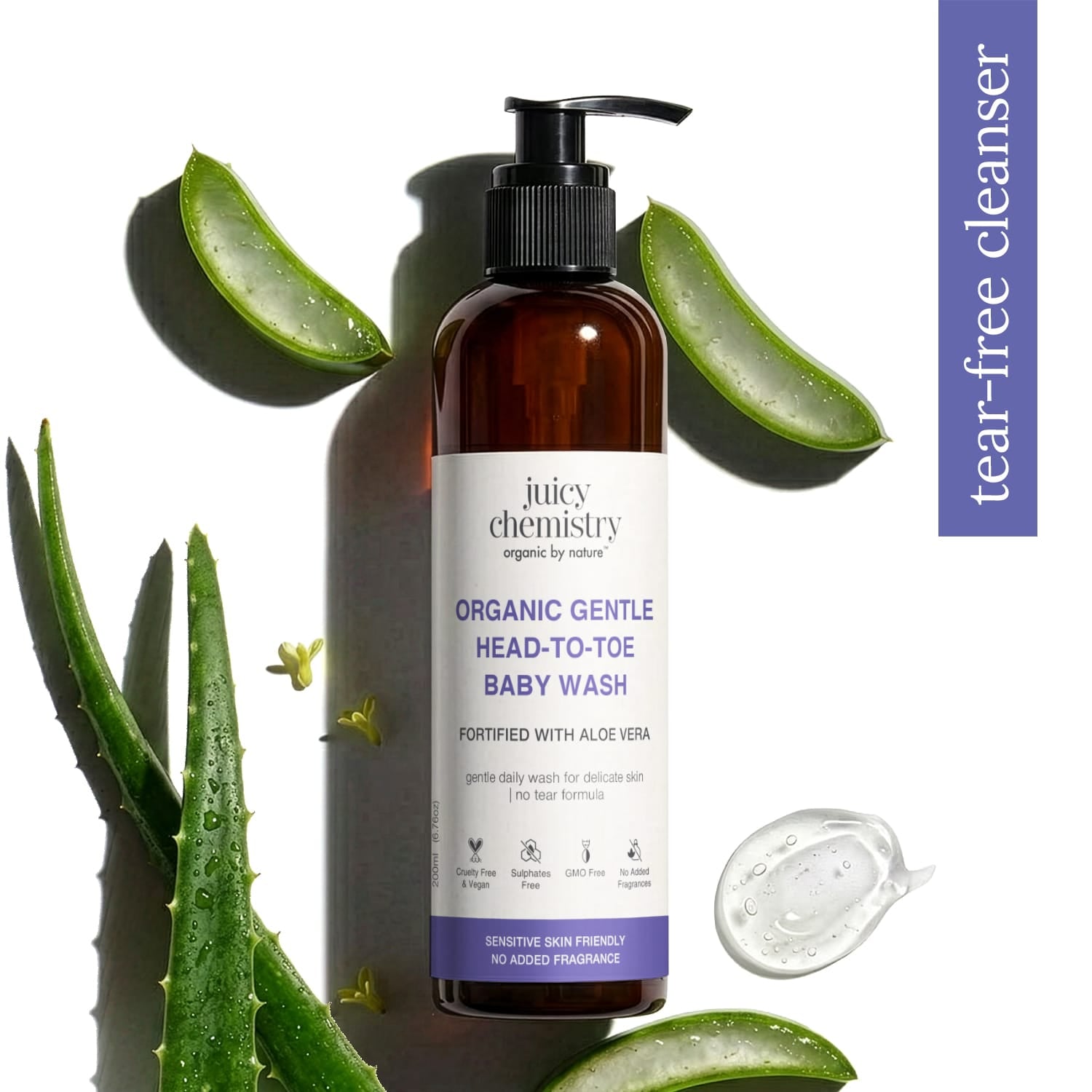
Thus, it’s time to incorporate an organic skincare moisturizer into your daily regimen to maintain hydration and protection for your skin. And what could be better than aloe vera gel—one of the most adaptable skincare ingredients that is suitable for all skin types!
For centuries, aloe vera gel has been a staple in beauty routines due to its nutrient-rich composition. Often referred to as a miracle plant, it boasts significant medicinal properties and a diverse nutrient profile. Aloe vera is packed with over 75 different bioactive compounds, including vitamins, enzymes, minerals, sugars, antioxidants, fatty acids, and more.
Here are some of the primary advantages of utilizing organic aloe vera gel as a facial moisturizer.
It Provides Intense Hydration:
Aloe vera is not only abundant in water content, but it also acts as a natural humectant, enhancing moisture levels in the skin. The juice derived from aloe vera leaves is rich in polysaccharides that help retain water in your skin. Therefore, it serves as an ideal moisturizer for all skin types, alleviating dehydration and dryness.
It Calms The Skin:
If you have sensitive or damaged skin, or if you experience dry, itchy skin conditions such as eczema or psoriasis, aloe vera is an excellent option for a moisturizer. Its potent anti-inflammatory properties help soothe and calm irritated skin while also enhancing moisture levels to fortify the skin's barrier function.
It Nourishes The Skin:
Aloe vera is renowned for its remarkable healing abilities and is loaded with vitamins and nutrients. It shields your skin from photodamage, boosts skin elasticity, and helps brighten and diminish dark spots.
It Aids In Healing Damaged Skin:
Aloe vera is one of the most effective remedies for soothing sunburned skin and speeding up the healing process due to its nutrient density. Its hydrating and calming properties help alleviate peeling, redness, and the burning sensation associated with sunburns.
It Does Not Clog Pores:
Aloe vera gel is non-comedogenic because of its high water content. This makes it a fantastic lightweight moisturizer for oily, acne-prone skin.
When applied, the gel absorbs quickly without leaving any greasy residue. Additionally, it possesses antiseptic and antimicrobial properties that can help reduce acne.
If you don’t have an aloe vera plant at home, there’s no need to fret, as you can opt for skincare products formulated with aloe vera. Just ensure that these products are made from pure aloe vera and do not contain harmful additives, colors, or fragrances that could irritate your skin. Here are several methods to integrate aloe vera into your skincare routine.
As a Toner
You can utilize aloe vera hydrosol or juice as a toner to hydrate your skin. Begin by cleansing your face with a gentle cleanser. Then, spray the toner over your face and neck, gently patting it into the skin to facilitate absorption.
As a Moisturizer
After cleansing and toning your skin, apply aloe vera gel as a moisturizer on your face while your skin is still slightly damp, and gently massage it in. If you have dry skin, consider mixing in 1-2 drops of face oil for added hydration, or layer the oil on top of the aloe vera gel to seal in moisture.
As a Treatment Mask.
For deep soothing and hydration, apply a generous layer of aloe vera gel on cleansed skin and allow it to sit for 15-20 minutes before removing the excess with a damp cloth.
As a Mask Activator.
You can use aloe vera juice or hydrosol instead of plain water to activate your face masks, ubtans, or scrubs. This enhances their hydrating and soothing properties.
Aloe Vera Gel: An organic skincare moisturizer crafted from pure aloe vera sourced from Mexico.
Aloe Vera Juice: An organic toner made with pure aloe vera to hydrate skin, scalp, and hair.
Aloe Vera Hydrosol: A soothing and hydrating mist produced through the steam distillation of aloe vera leaves.
All of these products are certified organic by Ecocert France in accordance with COSMOS V3 standards.
If you are in search of an organic skincare moisturizer to keep your skin hydrated throughout the winter months, then aloe vera gel is the ideal solution. It is a multifunctional gel that will help your skin and hair remain soft and healthy.
How frequently can I use aloe vera gel?
You can apply aloe vera gel as often as necessary to maintain skin hydration.
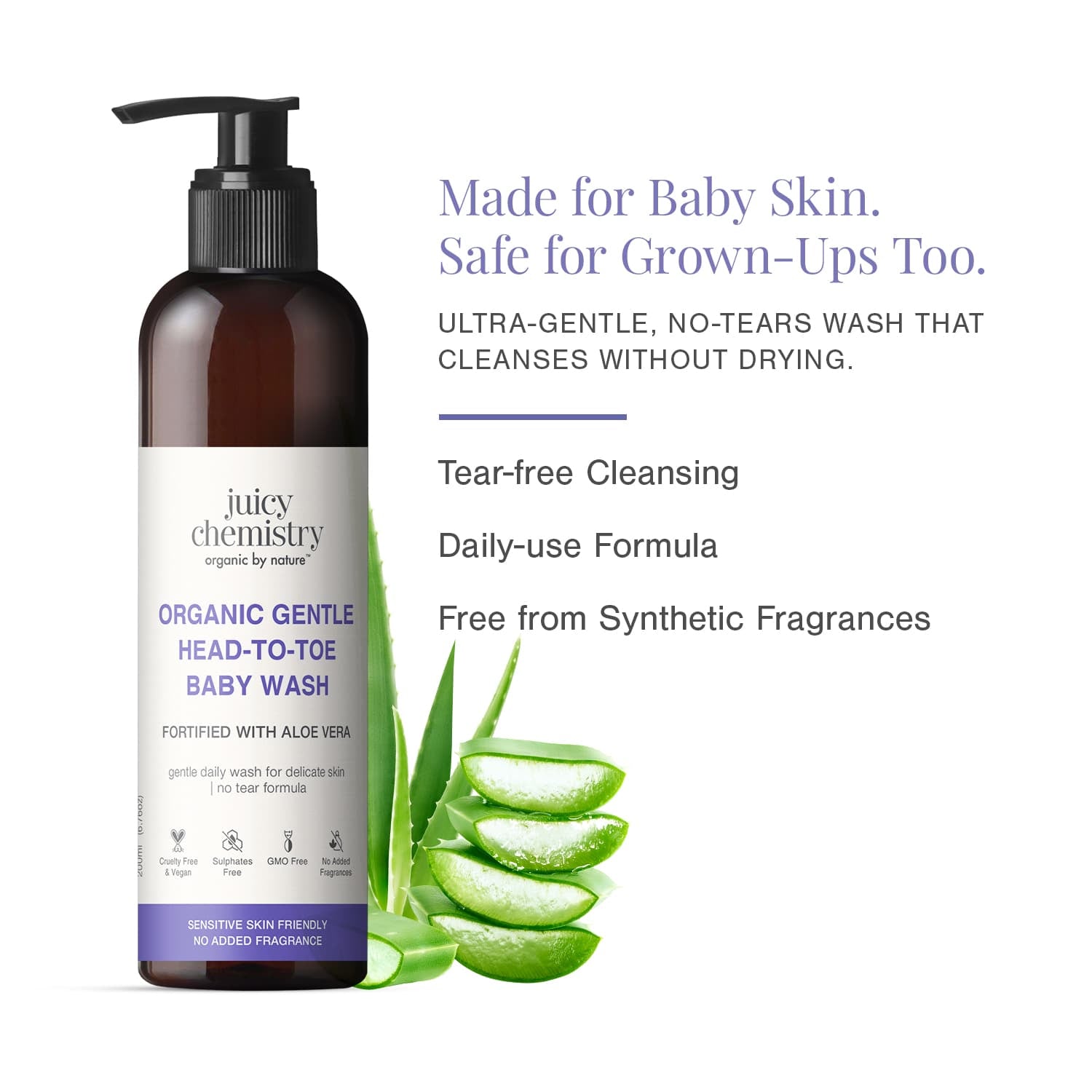
Is aloe vera gel safe for babies?
Yes, aloe vera gel is suitable for individuals of all ages.
Are there any side effects associated with using aloe vera gel?
Aloe vera is generally regarded as safe for topical application, but it’s always wise to perform a patch test before use to check for any allergic reactions.


Shop Now