Monsoon Skincare Mistakes: 7 Things Making Your Skin Worse in the Rains
Liquid error (sections/article-template line 266): The format option 'month_day_year' is not a supported format.
Juicy Chemistry


Neem Oil is frequently suggested for acne due to its healing attributes. Throughout the years, it has been utilized to address various health issues. Additionally, it has been incorporated into a wide array of products, particularly in skincare and haircare formulations.
This therapeutic oil is believed to be rich in beneficial fatty acids and essential nutrients. Neem Oil is packed with antioxidants, Vitamin E, calcium, triglycerides, limonoids, and the aforementioned fatty acids, all of which contribute to enhancing skin health.

Neem is abundant in valuable antibacterial, antifungal, and antiseptic qualities. It is derived from the seeds of the Neem Tree and exhibits a light green hue.
At JC, we utilize the cold processing method to extract Neem oil. This cold-pressed technique avoids the use of heat, ensuring that the essential fatty acids and nutrients remain intact in the oil after extraction. Consequently, this preserves the natural components and maximizes the benefits of Neem oil for overall skin health.
Acne can arise from various factors, with hormonal fluctuations and unhealthy lifestyles being the most prevalent causes of skin breakouts and inflammation. Let’s explore how Neem Oil can be effectively utilized for acne treatment:
Inhibits Bacterial Growth
Neem Oil is renowned for its healing properties, particularly for skin prone to acne. It effectively eliminates the bacteria responsible for breakouts. This is due to Neem Oil's natural antibacterial characteristics that assist in fighting acne. Its anti-inflammatory properties also help diminish skin redness, providing relief from painful acne.
Reduces Excess Oil
Hormonal fluctuations are common for everyone, but they can sometimes impact the skin. An increase in sebum production often occurs due to these hormonal changes. When sebum levels rise excessively, it can mix with dead skin cells, leading to clogged pores. These blocked pores can then result in acne blemishes. Neem Oil aids in unclogging pores and helps regulate sebum production. Always ensure your face is thoroughly cleansed before applying a few drops of Neem oil to all acne-prone areas.
Achieve Clearer Skin
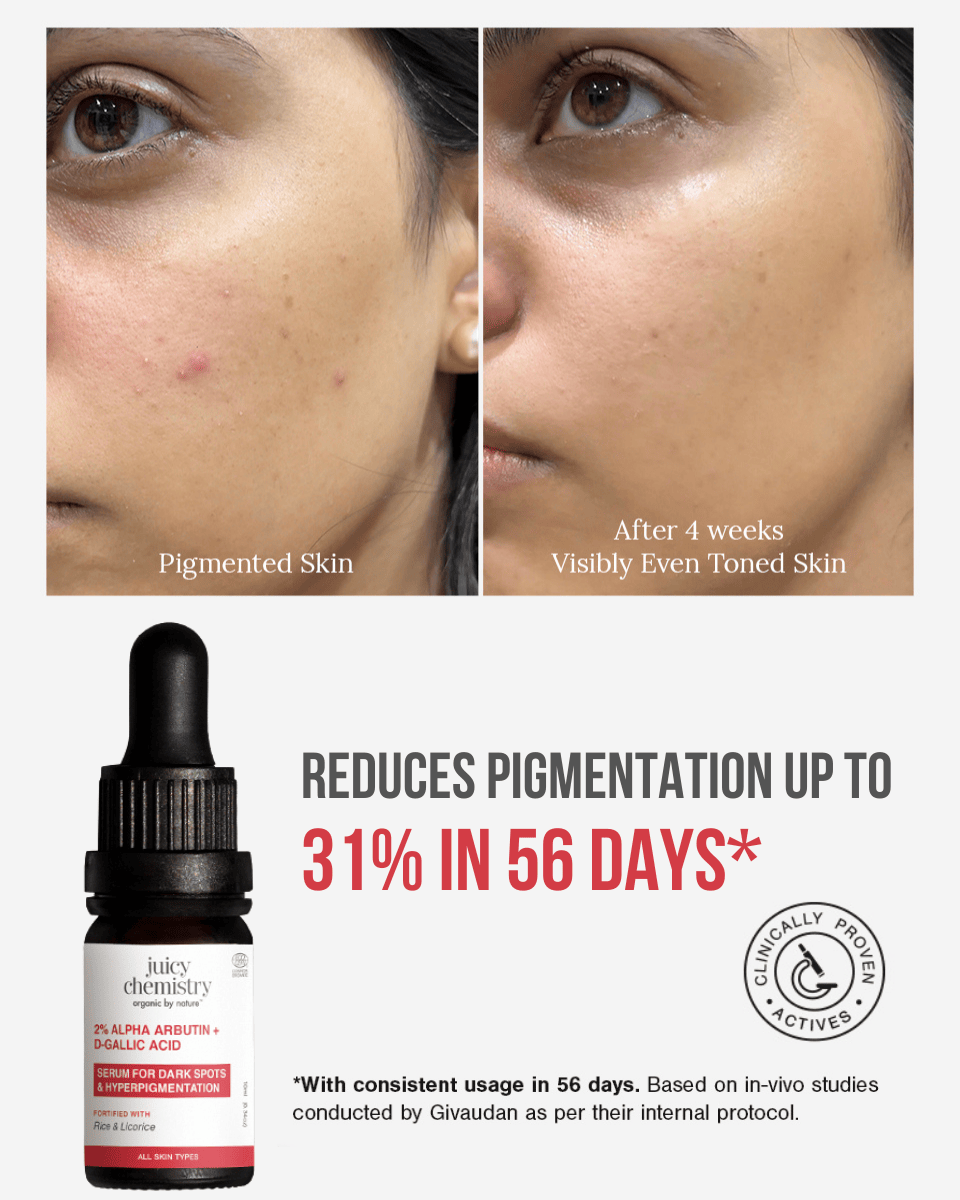
Neem Oil not only alleviates skin irritations but also addresses skin hyperpigmentation. It is generally recommended to apply a few drops of the oil and leave it on overnight for optimal results. The presence of Vitamin E in Neem Oil aids in repairing damaged cells caused by acne. Therefore, Neem Oil is highly effective in reducing inflammation, redness, and scars left by pimples.
As a Facial Oil
To maximize the effectiveness of Neem oil in addressing your acne-related skin concerns, use it as a carrier oil. Employ a cotton ball to gently dab the organic Neem oil onto the areas of your skin affected by acne and allow it to absorb its healing properties for 20 minutes. Afterward, rinse your face with warm water and maintain this routine regularly to achieve the best results.
Create a Mask
Face masks containing a Neem oil base can help soothe and calm the skin. You can prepare a paste using 1 teaspoon of neem powder mixed with two tablespoons of Aloe vera gel to treat acne. Given that aloe vera gel possesses antibacterial properties, it aids in combating acne. As with any mask, apply it evenly across your face and let it sit for 15 minutes before rinsing off with cold water. Alternatively, you can incorporate Neem oil into your preferred clay mask.
Beyond the well-known advantages of Neem Oil for acne mentioned earlier, there are several other lesser-known benefits:
Neem Oil is also effective in combating dry skin. Thanks to its components like fatty acids and Vitamin E, massaging your nails with this medicinal oil allows it to penetrate your skin and nails, softening the cuticles and promoting better nail health.
Rich in essential fatty acids and antioxidants such as Vitamin E, Neem oil helps slow down the aging process of the skin and encourages a healthier, youthful glow.
Neem is also advantageous for scalp health. Its antibacterial properties help combat dandruff and alleviate an itchy scalp.

Q: Is Neem Oil suitable for all skin types?
A: Its natural properties make it appropriate for most skin types. However, conducting a patch test is advisable.
Q: How often should I use it to see results?
A: Acne healing takes time and varies from person to person. It is recommended to adhere to a skincare routine tailored to your skin type consistently for optimal results. You may also consider this nourishing facial oil as an acne spot treatment. Enriched with Hemp Seed, Safflower Seed, and Argan oils, it helps moisturize the skin without clogging pores.
Q: Are there any side effects associated with Neem Oil?
A: Some individuals may experience allergies to Neem. Therefore, if you notice any itching or redness on your skin, it is advisable to consult your dermatologist immediately and discontinue use.
REFERENCES:
ncbi.nlm.nih.gov/pmc/articles/PMC88925/
https://www.researchgate.net/publication/317063216_Healing_Acne_with_Medicinal_Plants_An_Overview https://www.ncbi.nlm.nih.gov/pmc/articles/PMC4740760/ https://www.researchgate.net/publication/333683177_Neem_the_Wonder_Herb_A_Short_Review https://www.jocpr.com/articles/herbal-remedies-of-azadirachta-indica-and-its-medicinal-application.pdf


Shop Now