Monsoon Skincare Mistakes: 7 Things Making Your Skin Worse in the Rains
Liquid error (sections/article-template line 266): The format option 'month_day_year' is not a supported format.
Juicy Chemistry


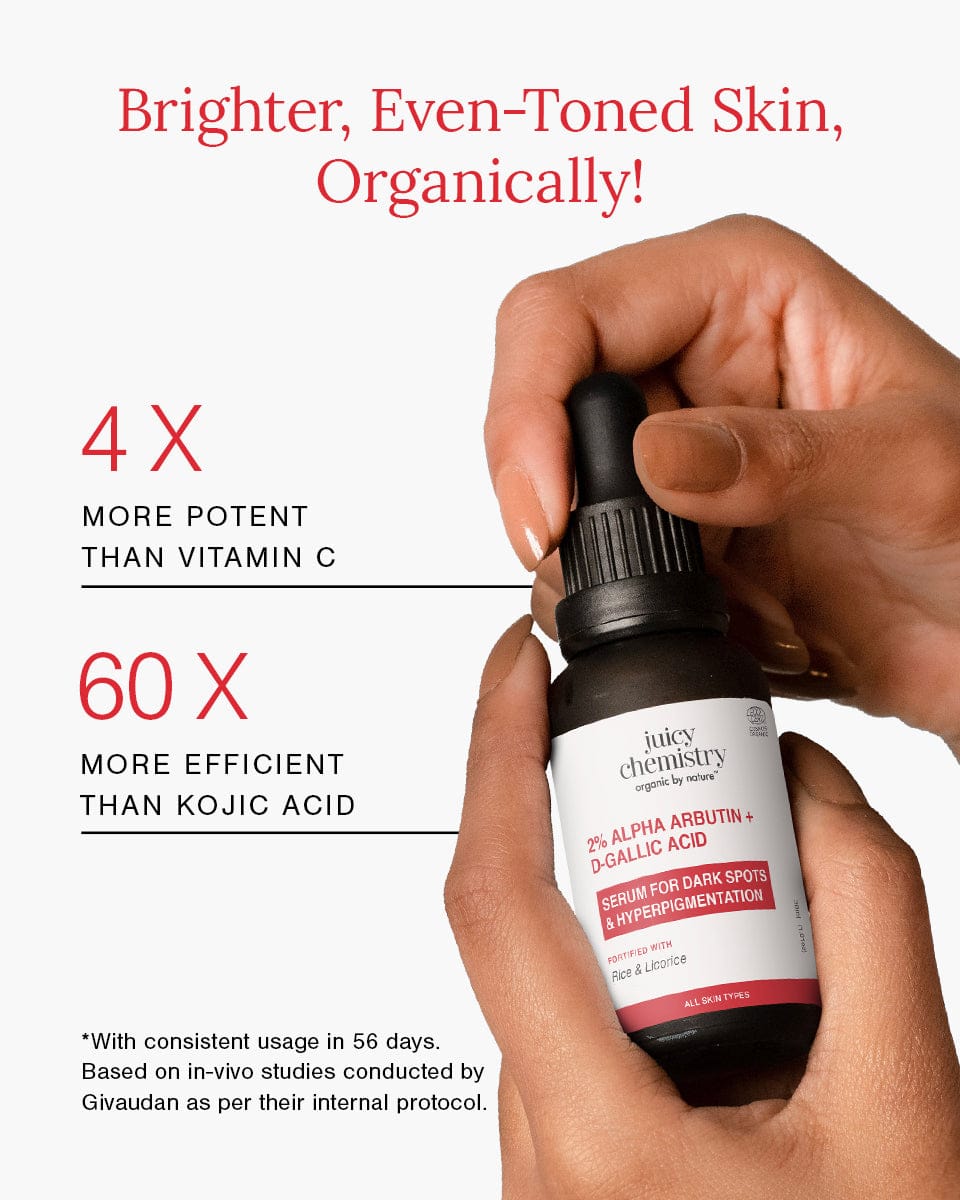
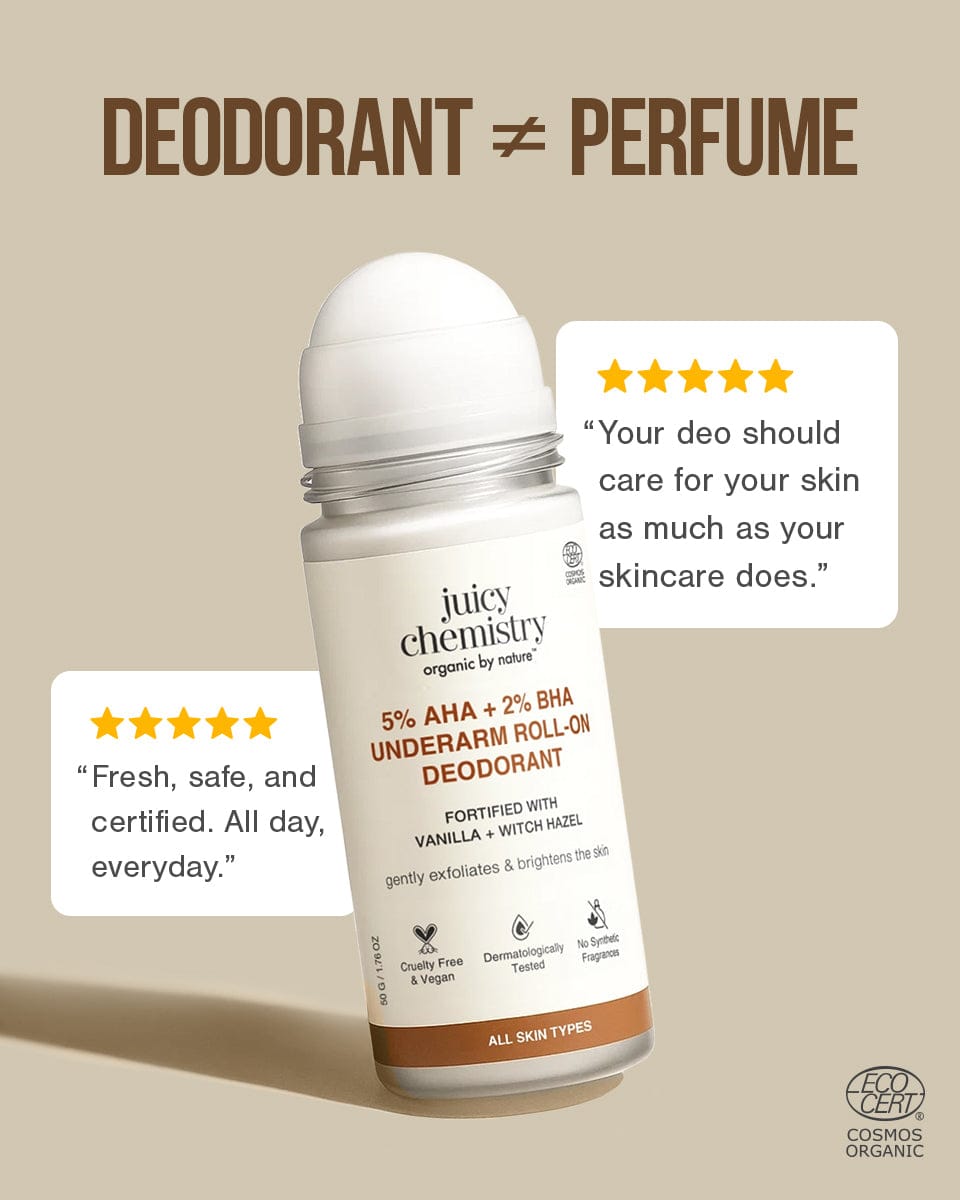
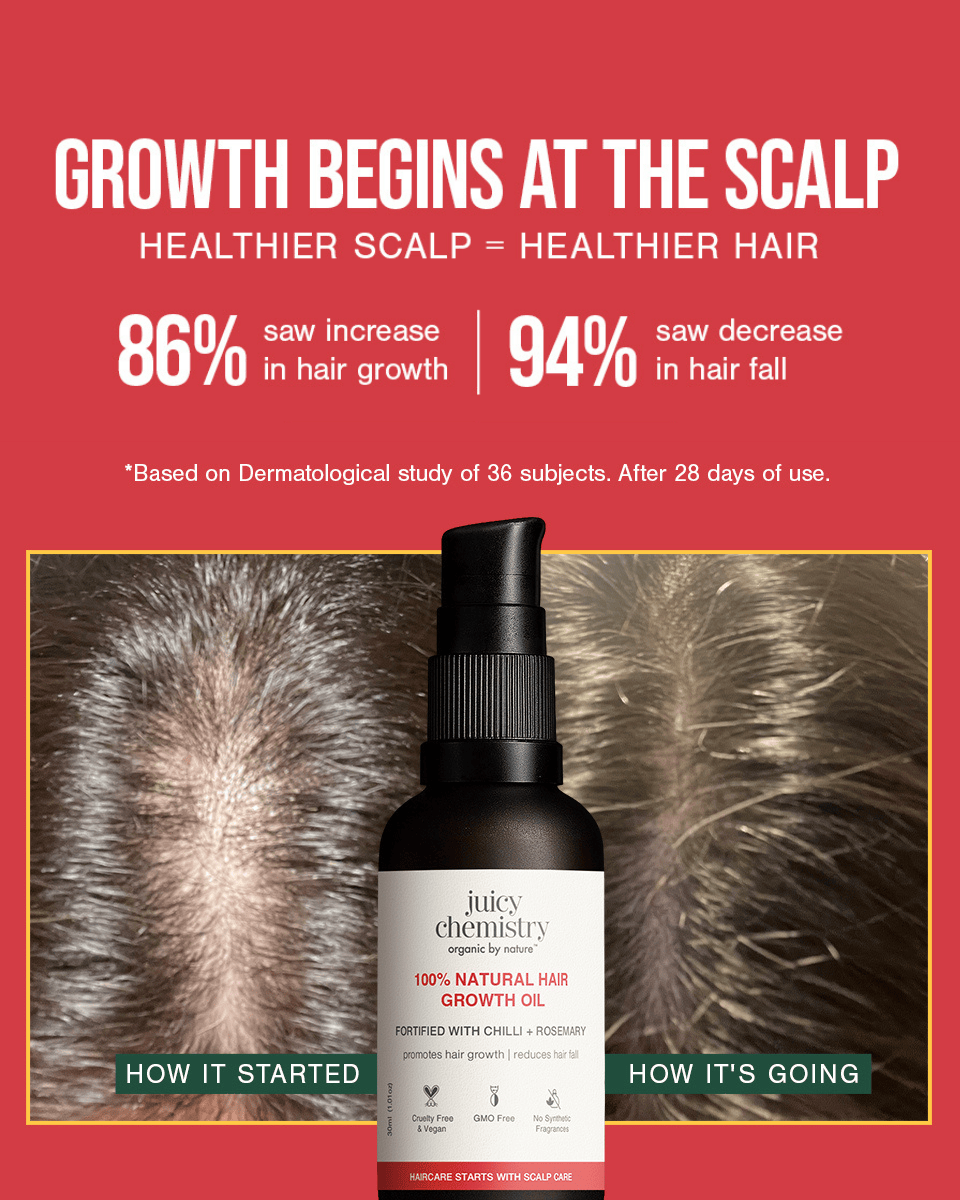
The phrases ‘organic facial oils,’ ‘serums,’ and ‘moisturisers’ are frequently interchanged, yet they each represent distinct categories within skin care. These terms not only differ in definition but also in texture, function, and advantages. Let’s explore the distinctions among these three terms and discover the proper way to utilize each of these products.

Organic Facial Oils:
These consist of a combination of carrier oils and essential oils. Lightweight oils are ideal for those with oily to combination skin types. Conversely, if your facial oil takes longer to absorb, it is more appropriate for dry skin.
The Juicy Chemistry Helichrysum And Rosehip Facial Oil features a mix of lightweight oils like rosehip oil and argan oil, along with oils that have a medium texture, such as safflower oil and pomegranate oil. This formulation makes it suitable for all skin types.
View this post on Instagram
Serums:
Serums can be categorized as either oil-based or water-based. Oil serums consist solely of carrier oils and are akin to natural facial oils. In contrast, liquid serums are formulated with water-soluble components that penetrate your skin rapidly.
The 10% Vitamin C + EGCG Face Serum features kakadu plum cellular extract, which is inherently high in Vitamin C. This extract is combined with rainwater and glycerin, resulting in a lightweight and quickly absorbing formula.
View this post on Instagram
Moisturizers:
These products have a rich texture, resembling a creamy butter or gel.
Juicy Chemistry Aloe Vera Gel is crafted from organic aloe vera juice. It has been thickened to achieve a lightweight, gel-like texture that glides smoothly on your skin, delivering significant hydration.
View this post on Instagram
Organic Facial Oils:
These oils provide nourishment and hydration to your skin. Their occlusive nature helps to retain moisture effectively. Packed with antioxidants, these oils aid in repairing skin damage and delaying the onset of aging signs.
Juicy Chemistry Saffron And Red Raspberry Facial Oil contains organic raspberry seed oil, which is abundant in carotenoids that help repair sun damage and enhance your skin's radiance.
View this post on Instagram
Serums:
These products provide potent active components like hydroxy acids and vitamins directly to your skin.
The 5% Lactic Acid + 3% Flower Acids Serum and 2% BHA + Zinc PCA Face Serum feature natural hydroxy acids that gently exfoliate and encourage a clearer complexion. Formulated with natural cellular extracts, they include rainwater and glycerin to ensure your skin remains hydrated and supple.
View this post on Instagram
Hydrating Creams:
Hydrating creams provide essential nourishment to your facial skin, enhance your skin's protective barrier over time, and help alleviate itching and inflammation.
Barrier Repair Facial Oil combines organic shea butter, beeswax, sweet almond oil, along with essential oils of sandalwood and myrrh. This formulation delivers intense hydration to dry skin and calms redness effectively.
View this post on Instagram
| Composition | Consistency | Skin Type | Usage | |
| Organic Facial Oil | Carrier oils and essential oils | Oily | All skin types, except acne-prone skin sometimes | 2-3 drops after applying toner or serum |
| Serums | Oil-soluble or water-soluble ingredients along with actives | Oily or watery | All skin types, except sensitive skin sometimes | 1 pump after using a toner |
| Moisturisers | Oil-based, like balm or butter, or Water-based, like aloe-vera gel, or Creamy emulsion of both oil and water |
Cream or gel | Butter creams for dry and inflamed skin, and Gel moisturisers for all skin type |
Suitable amount at the last step of your routine.
|
View this post on Instagram
Step 1:
Begin by cleansing your skin with a gentle cleanser, then follow up with a hydrating toner. Dispense one pump of your chosen serum into your palm. Apply it to your face and allow it to fully absorb.
Step 2:
Pour 2-3 drops of organic facial oil into your palm. Gently massage it into your skin. If you feel you need additional hydration, move on to the next step.
Step 3:
Squeeze some moisturizer into your palm. Dot it across your face and massage it in thoroughly.
View this post on Instagram
Q: Is it safe to apply facial oil if I have active acne?
A: For those with acne-prone skin, consider using 1-2 drops of hemp oil or rosehip oil to help soften your skin.
Q: Do I need to use Organic facial oils, serums, and moisturisers together?
A: Your skincare routine should be tailored to your skin's needs. You can opt to use just one or two of these products. If you choose to combine them, follow the recommended steps above. View this post on Instagram A post shared by Juicy Chemistry (@juicy_chemistry)


Shop Now