Ceramides vs Ectoin vs Hyaluronic Acid: Which Does Your Skin Actually Need?
September 19, 2026If your skin feels tight but your T-zone is oily, choosing between ceramides, ectoin and hyaluronic acid can get confusing fast. The easiest way to make sense of them is to stop treating them as competing ingredients. They support different parts of a healthy skincare routine.

Hyaluronic acid: the hydration specialist
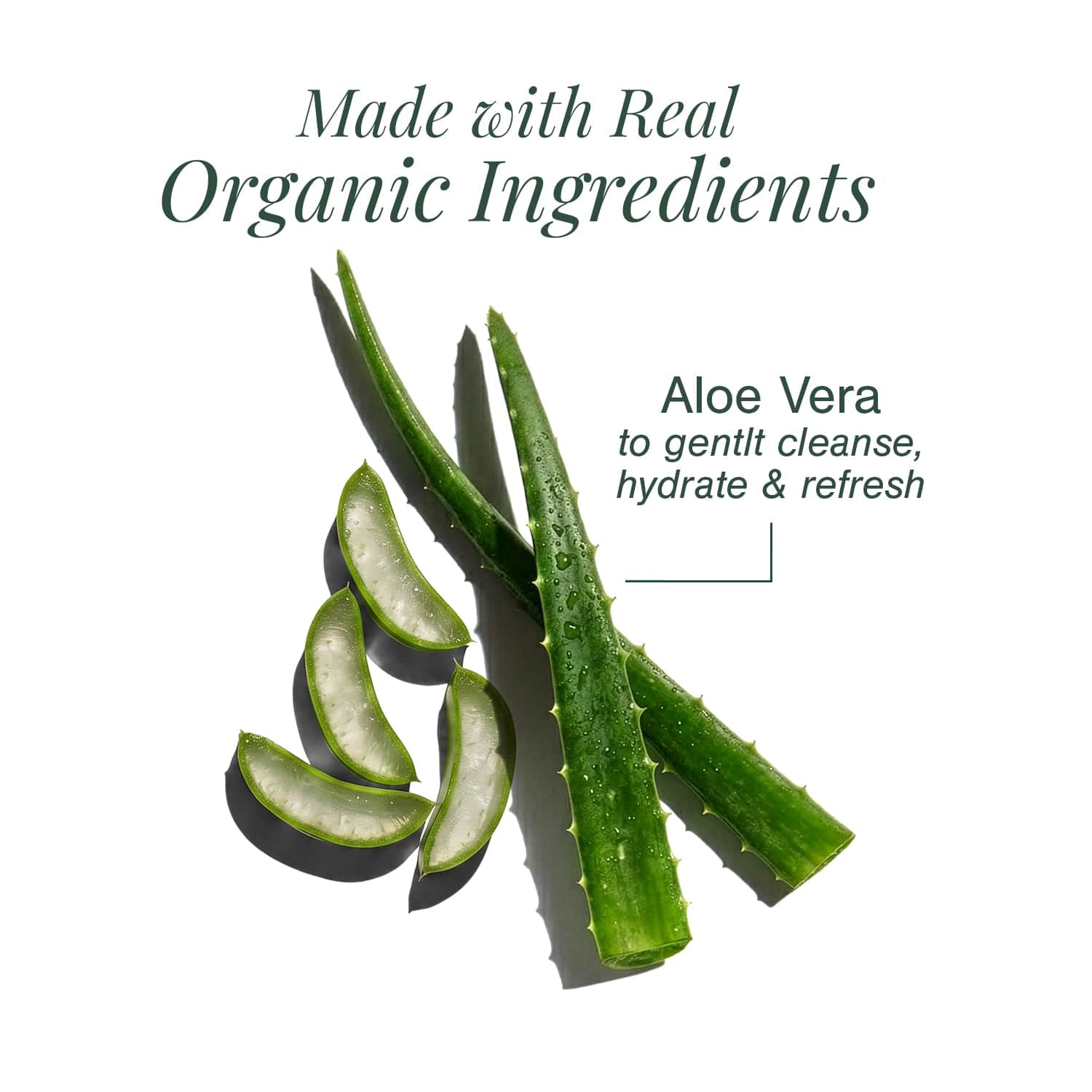
Hyaluronic acid is a humectant, meaning it helps attract and retain water. It is widely used in serums and moisturisers for skin that feels dehydrated, tight or lacking in surface plumpness. JC's hydration comparison article already explains how hyaluronic acid fits alongside glycerin and aloe vera.
Ceramides: barrier lipids
Ceramides are lipids naturally found in the skin barrier. They help maintain the barrier structure and reduce excessive water loss. When the barrier is compromised, skin can feel dry, tight, rough or more reactive. A ceramide-focused product can therefore be useful when the priority is barrier support rather than simply adding more water.
Ectoin: resilience support
Ectoin is an extremolyte used in skincare for hydration support and protection against environmental stress. It is particularly interesting in formulas designed for skin that faces pollution, temperature shifts, dehydration or other external stressors.
Which one should you choose?
Think of the three as different tools. If your immediate concern is dehydration, a humectant such as hyaluronic acid may be useful. If your skin feels dry or barrier-compromised, ceramides may be more relevant. If you want hydration plus resilience, ectoin is an interesting option. Your routine can contain more than one of these without turning into a 12-step experiment.
A practical routine
For a lightweight routine, cleanse, apply a hydrosol if desired, use a targeted serum, moisturise and finish with sunscreen in the morning. At night, cleanse and use a barrier or hydration-focused serum followed by moisturiser. JC's 3% Ceramide Complex + Copper Peptide Face Serum combines ceramides with copper peptide, aloe vera and hyaluronic acid.


The bottom line
Good skincare is not about finding the single best hydrator. It is about understanding whether your skin needs water, barrier lipids, resilience support or some combination of the three. Once you identify the actual problem, ingredient shopping becomes much easier.
Recommended internal links
10% niacinamide + 2% ectoin serum | skincare for sensitive skin | what is ectoin in skincare | Hydrosol article

FAQs
Q: Are ceramides better than hyaluronic acid? A:?
A: No. They do different jobs. Hyaluronic acid is mainly a humectant, while ceramides support the skin barrier.
Q: Can ectoin and hyaluronic acid be used together? A:?
A: Yes, when the formulations are compatible. They can complement each other in hydration-focused routines.
Q: Can oily skin use ceramides? A:?
A: Yes. Oily skin can still have a compromised barrier. Choose a formulation with a texture that suits your skin.
Q: Do I need all three? A:?
A: Not necessarily. Choose according to your skin's needs rather than collecting ingredients.