Glycerin vs Hyaluronic Acid vs Aloe Vera: Which Hydrator Does Your Skin Actually Need?
August 18, 2026Hydration is the one thing every skin type needs, whether you are oily, dry, sensitive, or somewhere in between. But with glycerin, hyaluronic acid, and aloe vera all claiming the top spot, how do you know which one your skin actually needs? And more importantly, do you even have to choose just one?
The truth is, all three are excellent hydrators. But each one works a little differently. Knowing those differences can help you pick smarter products and build a routine that actually supports your skin instead of guessing.

What Makes a Good Hydrator for Your Skin
Before comparing the three, a quick word on how hydration works. Your skin has a natural moisture barrier. When that barrier is intact, your skin holds onto water well. When the barrier is weakened, water escapes faster than your skin can replenish.
A good hydrator either pulls water into the skin (humectant), locks moisture in (occlusive), or soothes the skin while keeping the surface comfortable (emollient or anti-inflammatory). Glycerin, hyaluronic acid, and aloe vera each play a slightly different role in that process. And that is what makes the comparison interesting.
How Glycerin Keeps Skin Hydrated All Day
Glycerin, also known as glycerol, is one of the most researched humectants in skincare. A study on glycerin and hyaluronic acid found that products containing both ingredients showed long-lasting hydration effects on skin, with measurable improvement in barrier function.
What makes glycerin special is its molecular size. Glycerin has a small, lightweight molecule that can penetrate into the outer layers of the skin rather than just sitting on the surface. Research has also shown that glycerin may help improve skin barrier function when used consistently, which means the skin retains its own moisture better over time.
A study on glycerin's moisture retention confirmed that glycerin solutions have strong water-holding capacity, making the ingredient a reliable option in products designed for dry or dehydrated skin.
Glycerin is odourless, well-tolerated by most skin types, and often found as a supporting ingredient in serums, moisturisers, cleansers, and toners. You have probably been using products with glycerin already without even realising.
Best for: Dry to normal skin, dehydrated skin, colder months when barrier support is needed most.
What Hyaluronic Acid Does Differently
Hyaluronic acid, or HA, is a naturally occurring molecule in the body. The skin, joints, and eyes all contain it. In skincare, HA works as a powerful humectant that can hold a significant amount of water relative to its molecular weight.
According to Cleveland Clinic, hyaluronic acid helps keep skin supple and hydrated. The body's natural production of HA decreases with age, which is one reason why skin gradually loses plumpness and resilience over time.
In skincare formulations, HA comes in different molecular weights. Higher molecular weight HA sits on the skin surface and helps retain moisture there. Lower molecular weight forms can penetrate deeper. A well-formulated product often includes more than one molecular weight for a layered hydration effect.
One thing to keep in mind is that HA pulls water from its surroundings. In very dry or low-humidity climates, if there is not enough environmental moisture, HA can sometimes draw water from the deeper layers of your skin instead. That is why pairing HA with an occlusive layer on top is always a good idea.
Best for: Ageing skin, fine lines, anyone looking for a plumping effect, works well in humid environments.
Why Aloe Vera Is More Than Just a Soothing Gel
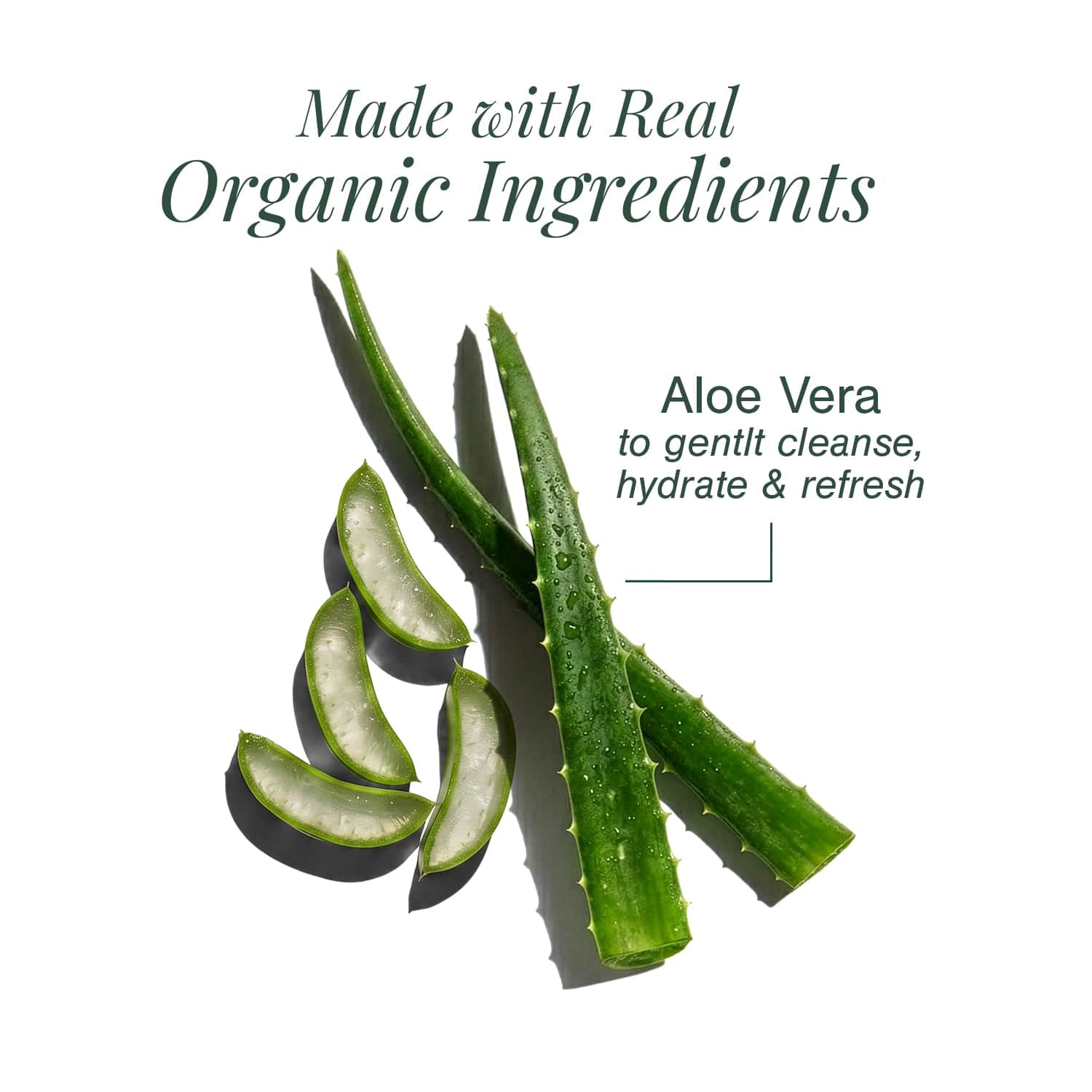
Aloe vera is often thought of as a sunburn remedy. And while it does soothe, that is only part of the story. The Aloe barbadensis leaf contains polysaccharides, vitamins A, C, and E, enzymes, and naturally occurring anti-inflammatory compounds. That combination makes aloe a hydrator, a soother, and a skin-repair support system all in one.
Research has shown that aloe vera may help promote wound healing and calm inflamed skin thanks to its bioactive components. Another review of aloe vera's dermatological benefits highlighted its moisturising and protective properties when used topically.
What makes aloe vera stand out in the hydration conversation is the texture. Unlike glycerin or HA, which are typically mixed into creams and serums, aloe vera can be used in gel form. That lightweight, non-greasy finish makes it ideal for oily, acne-prone, or combination skin types that find heavier moisturisers uncomfortable, especially during Indian summers.
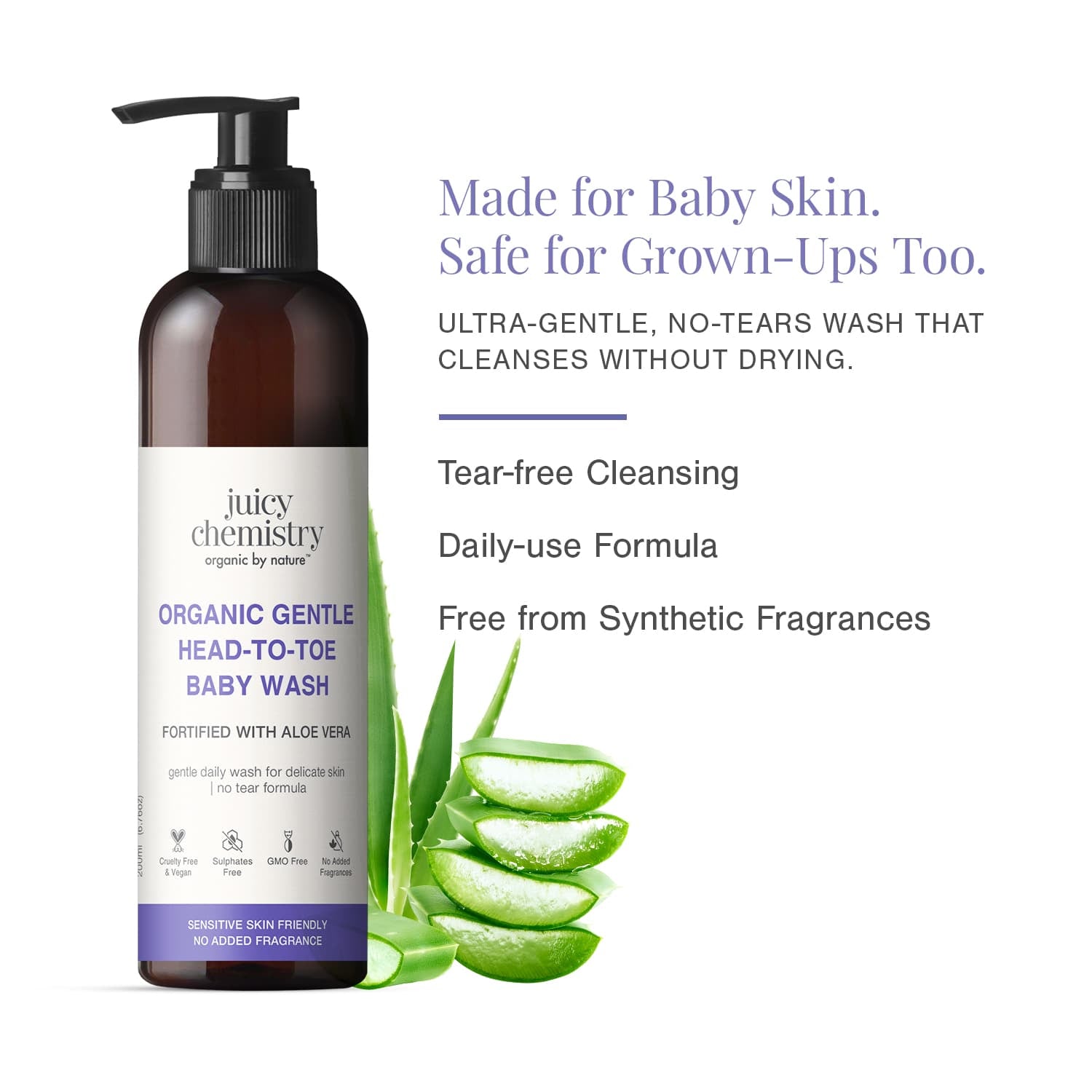
Potency matters with aloe vera, though. Not all aloe gels are equal. The concentration of polysaccharides, the age of the plant, and the extraction method all affect how well the product actually hydrates. A pure, cold-pressed aloe vera gel from 3+ year old plants, like the one from Juicy Chemistry, delivers polysaccharide levels exceeding 800 ppm, COSMOS Organic certified, with no added fragrance or fillers. You can read more about how aloe vera supports skin beyond just surface-level soothing.
Best for: Oily and acne-prone skin, sensitive and reactive skin, post-sun care, hot and humid climates.

So Which Hydrator Should You Actually Pick
The honest answer is that the best hydrator depends on your skin type, your climate, and your current routine. Here is a simple way to think about it.
If your skin is dry, tight, or barrier-compromised, glycerin in a cream or moisturiser gives deep, lasting hydration. If your skin is ageing or losing plumpness and you want a visible smoothing effect, hyaluronic acid in a serum is a strong choice. And if your skin runs oily, reacts easily, or needs something lightweight and multi-purpose, a high-quality aloe vera gel may be all you need as a daily hydrator.
For many Indian skin types dealing with humidity, sweat, and seasonal shifts, aloe vera is an incredibly practical option. A certified organic aloe gel works as a standalone lightweight moisturiser, a soothing after-sun treatment, a pre-serum hydration base, or even a leave-in hair conditioner.
Can You Use All Three Together
Yes, and many well-formulated products already combine two or all three of these ingredients. Glycerin often shows up in serums that also contain hyaluronic acid. Aloe vera works beautifully as a base layer before a richer cream that contains glycerin or HA.
A simple layering approach would look like applying aloe vera gel on clean skin first, followed by a HA serum, then sealing everything with a moisturiser that contains glycerin. That way, each ingredient does what it does best without overwhelming the skin.
The key is not to pick one and skip the rest. The key is to know what each one brings and let your skin type and season guide the choice.

FAQs
Q: Is glycerin better than hyaluronic acid for dry skin?
A: Glycerin tends to work well for barrier support and deeper hydration. Hyaluronic acid excels at surface-level plumping and smoothing. For very dry skin, using both together often gives the best results.
Q: Can I use aloe vera gel as my daily moisturiser?
A: Yes, especially if your skin is oily or acne-prone. A pure, high-concentration aloe gel provides lightweight hydration without clogging pores. In drier climates, you may want to layer a moisturiser on top.
Q: Does hyaluronic acid work in dry climates?
A: HA works best when there is moisture to pull from. In very dry or air-conditioned environments, always follow HA with an occlusive cream to prevent moisture loss from deeper skin layers.
Q: Which hydrator is safest for sensitive skin?
A: Aloe vera is naturally soothing and anti-inflammatory, making it a gentle option for reactive or sensitive skin. Glycerin is also very well-tolerated. Patch test any new product before full use.