Lip Balm Addiction: Myth or Reality? What Really Causes Dependency on Lip Balm
August 17, 2026You know the feeling. You apply lip balm, your lips feel soft for a bit, and then an hour later you are reaching for it again. And again. And again. At some point, you start wondering whether you are actually addicted to lip balm or whether your lips have forgotten how to stay moisturised on their own.
The good news? Lip balm addiction is not a clinically recognised condition. But the habit of constantly reapplying? That is very real. And in most cases, the issue is not your lips. The issue is what is inside your balm. Let us break that down.

So Is Lip Balm Dependency Actually a Real Thing
No, not in the way you might think. According to Cleveland Clinic, lip balm is not physiologically addictive. Your body does not become chemically dependent on it the way it would with caffeine or nicotine. However, frequent use can become a psychological habit, similar to nail-biting or hair-twirling.
The sensation of applying lip balm feels soothing, comforting, and familiar. Over time, reaching for your balm becomes automatic, especially when you are stressed, bored, or feeling dry air on your lips. That is a habit loop, not an addiction.
But here is where the confusion comes from. Some lip balms contain ingredients that actually dry your lips out, making you feel like you need to reapply constantly. And when that happens, the habit starts to feel like a dependency. The problem is not your lips getting "lazy." The problem is the product creating a cycle.
Why Certain Lip Balms Make You Reach for More
Not all lip balms are made the same way. Many conventional balms contain ingredients like menthol, phenol, and camphor. While those give a cooling or tingling feeling on application, they can actually strip away the outer protective layer of your lip skin. That means your lips lose moisture faster, feel dry sooner, and need reapplication within the hour.
Some balms also use synthetic fragrances and artificial flavouring agents. While the scent or taste might be appealing, those additives can irritate the delicate lip skin, cause micro-inflammation, and worsen dryness over time.
Even salicylic acid, which is common in medicated lip balms, can exfoliate the lip surface too aggressively when used repeatedly. The result? Thinner, more exposed skin that feels drier and more sensitive.
So the "addiction" is really a cycle. The balm temporarily soothes, then dries your lips out, and you apply more. Understanding how to treat chapped lips properly starts with understanding what is causing the dryness in the first place.
What Your Lip Balm Ingredients Are Telling You
If you find yourself constantly reapplying, take a closer look at the ingredient list. A lip balm should be nourishing and protective, not stripping.
Ingredients to be cautious about include menthol, phenol, camphor, synthetic fragrances, artificial colours, and chemical sunscreen filters like oxybenzone. While not all of these are harmful in every product, the combination of drying and irritating agents in a single balm can create that reapply-repeat cycle that feels like an addiction.
On the other hand, ingredients that support long-lasting lip comfort tend to be plant-based oils, natural butters, and waxes that create a protective barrier without stripping. Cold-pressed oils rich in essential fatty acids, like rosehip and apricot kernel oil, work with your lips rather than against them. Beeswax and cocoa butter seal moisture in. And Vitamin E offers antioxidant support.
The difference is simple. A well-formulated lip balm should leave your lips feeling comfortable for hours, not begging for another coat within minutes. If you are curious about what makes an organic lip balm different, the answer often comes down to what is left out as much as what is put in.
How to Step Out of the Reapply Cycle
Breaking the lip balm habit loop does not mean going cold turkey on lip care. Your lips do need moisture, especially in dry weather, air-conditioned environments, or during seasonal shifts. The goal is not to stop using lip balm. The goal is to use a better one, less often.
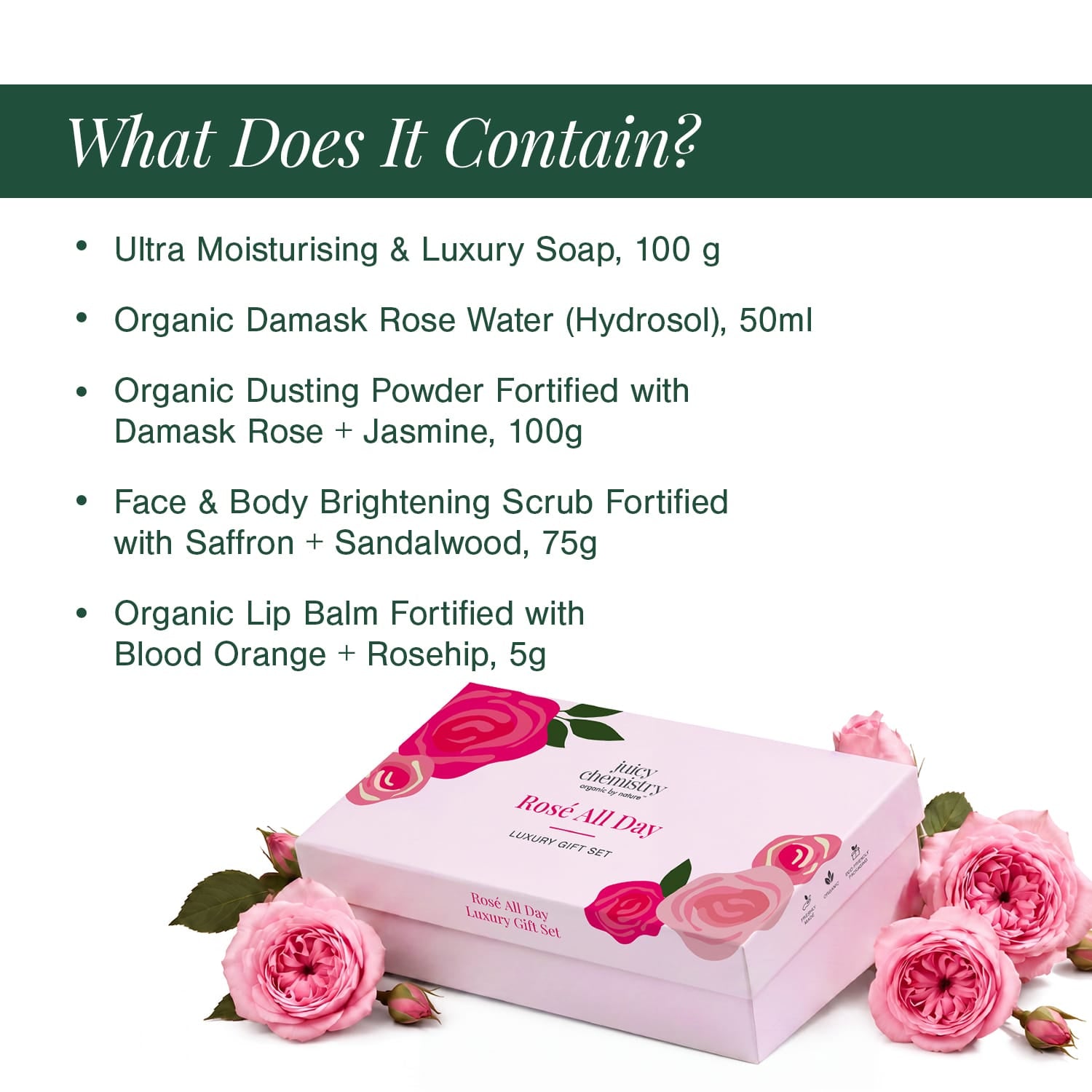
Start by switching to a balm made with nourishing, non-irritating ingredients. Look for cold-pressed plant oils, natural waxes, and butters that support the lip barrier rather than compromise it. The Organic Lip Balm with Blood Orange + Rosehip from Juicy Chemistry is a good example. Made with 100% bioactives and zero water, the formula uses cold-pressed rosehip seed oil, blood orange peel oil, castor oil, cocoa butter, and jojoba-derived ceramide analogues to support the lip's natural moisture barrier. The ceramide analogues work at a structural level to help break the dehydration cycle that causes persistent chapping.
The balm is ECOCERT COSMOS certified organic and has been clinically tested under dermatological supervision across 35 subjects, showing a 90% improvement in lip moisturisation and a 16.98% reduction in lip pigmentation in 28 days. Results may vary from individual to individual.
Once you switch to a formula that genuinely hydrates and repairs, you will likely notice that you do not need to reapply as often. That alone is a sign that your previous balm was part of the problem.


What Else Helps Keep Your Lips Comfortable and Happy
Lip care does not stop with the balm you choose. A few simple everyday habits go a long way.
Stay hydrated. Dry lips are often a reflection of overall dehydration, especially during Indian summers or in air-conditioned offices. Drinking enough water throughout the day supports your skin from the inside out.
Avoid licking your lips. Saliva evaporates quickly and takes moisture with it, leaving your lips drier than before. If you catch yourself doing it, a quick swipe of balm is a healthier reflex.
Skip the harsh scrubs. Manual lip scrubs might feel satisfying, but they strip the top protective layer of the lip skin. If you are dealing with flaky lips, a nourishing balm applied consistently will do more than any abrasive scrub.
And if pigmentation is also a concern alongside dryness, choosing a balm with ingredients like blood orange and rosehip that support natural tone and brightness can help you address both at once, without needing separate treatments.
The Bottom Line on Lip Balm Dependency
Lip balm addiction is a myth. But the drying cycle that certain lip balms create? That is absolutely real. The ingredients in your balm matter more than how often you use one.
When a lip balm is formulated with clean, barrier-supporting ingredients and free from irritants, your lips get actual nourishment rather than temporary relief. You apply less because your lips stay comfortable longer. And that constant urge to reapply fades on its own.
Your lips deserve care that works with them, not against them. And choosing a certified organic, ingredient-first approach is a simple, solid place to start.

FAQs
Q: Can lip balm actually make my lips drier?
A: Yes, if the balm contains ingredients like menthol, phenol, or camphor. Those strip moisture from the lip surface, creating a cycle where you feel the need to keep reapplying.
Q: Is lip balm addiction a real medical condition?
A: No. Lip balm is not physiologically addictive. But frequent use can become a psychological habit, especially when the balm ingredients create a drying-reapply loop.
Q: How often should I apply lip balm in a day?
A: With a well-formulated balm, two to three times a day is usually enough. If you are reapplying every hour, the balm ingredients may be contributing to the dryness.
Q: What should I look for in a lip balm that does not cause dependency?
A: Look for cold-pressed plant oils, natural butters like cocoa butter, beeswax, and Vitamin E. Avoid menthol, phenol, synthetic fragrances, and artificial colours.