Skin Barrier 101: What It Is, Why It Matters, and How to Repair It Naturally
March 17, 2026Your cleanser stings. Your moisturiser sits on the surface instead of sinking in. By mid-afternoon, your skin feels tight, flaky, and somehow both dry and oily at once. If this sounds familiar, your skin barrier might be sending you an SOS.
The skin barrier is often invisible until it stops working. Once compromised, even the gentlest products can feel uncomfortable, and your complexion may look dull, uneven, or inflamed. Understanding how to repair the skin barrier naturally isn't about adding more products to your routine. It's about stepping back, simplifying, and giving your skin what it actually needs to heal.
What Is the Skin Barrier?
Think of your skin barrier as a brick wall. The bricks are dead skin cells called corneocytes, and the mortar holding them together is a mixture of lipids: ceramides, cholesterol, and fatty acids. This outermost layer, the stratum corneum, is thin but mighty. It locks moisture inside whilst keeping pollutants, bacteria, and irritants outside.
According to research, this lipid matrix is essential for maintaining skin hydration and regulating transepidermal water loss. When this protective layer functions properly, your skin feels soft, hydrated, and resilient. When it doesn't, you'll notice almost immediately.
Beneath this physical structure lies the acid mantle, a slightly acidic film with a pH of around 4.5 to 5.5. This natural acidity helps defend against harmful microbes while supporting beneficial bacteria. Over-cleansing or using alkaline products can disrupt this balance, making skin more vulnerable to sensitivity and breakouts.
Why Does the Skin Barrier Matter?
A healthy skin barrier is your first line of defence. It prevents water from escaping through transepidermal water loss, which keeps skin plump and elastic. It also blocks environmental aggressors like pollution, UV rays, and harsh weather from penetrating deeper layers.
When your barrier is intact, active ingredients like niacinamide can work effectively without irritating. A compromised barrier, however, means even gentle formulations may sting or trigger redness. Over time, this can lead to chronic dryness, sensitivity, and inflammation.
Beyond hydration and protection, your skin barrier regulates oil production. When moisture is locked in properly, sebaceous glands don't overcompensate. This balance is especially important if you're dealing with both dehydration and excess shine, a confusing combination that often signals barrier dysfunction.
Signs Your Skin Barrier Is Damaged
Damaged skin barrier symptoms can vary, but certain patterns emerge consistently:
- Persistent dryness or flakiness that doesn't improve with regular moisturiser
- Stinging or burning when applying products that previously felt fine
- Increased sensitivity, redness, and inflammation across the face
- Sudden breakouts or rough, sandpaper-like texture that wasn't there before
- Shiny yet dehydrated skin that feels tight despite looking oily
If your skin feels reactive, uncomfortable, or unpredictable, there's a strong chance your barrier needs attention. The good news? With the right approach, skin barrier repair is entirely achievable.
What Damages the Skin Barrier?
Understanding the causes helps you avoid repeating the same mistakes. Barrier damage typically stems from external stressors, internal factors, or a combination of both.
- External triggers include over-exfoliation, whether physical scrubs or chemical acids are used too frequently. Harsh cleansers that leave your skin feeling tight strip away natural oils. Hot water, though comforting, weakens lipid structure. Environmental factors like pollution, UV exposure, and extreme temperatures further stress the barrier.
- Internal factors play a role, too. Stress disrupts your skin's natural repair process, whilst poor sleep prevents adequate overnight regeneration. Dehydration affects every layer of skin, and certain underlying conditions like eczema or rosacea make the barrier inherently more fragile.
Lifestyle habits matter as well. If you're washing your face multiple times a day, switching products constantly, or layering too many actives at once, you may be overwhelming your skin's ability to maintain balance. Sometimes less truly is more.
How to Repair Skin Barrier Naturally
Repairing a compromised barrier requires patience, consistency, and a simplified approach. Here's how to strengthen skin barrier function over the next four to twelve weeks.
Simplify Your Routine
Temporarily pause all active ingredients like retinoids, vitamin C, and exfoliating acids. Your skin needs breathing room to rebuild. Strip your routine down to three essentials: a gentle cleanser, a barrier-supporting serum or treatment, and a nourishing moisturiser. For guidance on layering basics, refer to this skincare actives guide.
Cleanse Gently
Switch to a pH-balanced, non-foaming cleanser. Avoid anything that leaves your skin feeling tight or stripped. Lukewarm water is your friend; hot water disrupts lipids and worsens dryness. If your skin feels comfortable after cleansing, you're on the right track.
Replenish Lipids and Hydration
Look for ingredients that mimic the skin's natural structure. Ceramides help rebuild the lipid matrix, while hyaluronic acid and glycerin draw moisture into the skin. Niacinamide is particularly effective for strengthening the barrier, reducing redness, and regulating oil production.
For soothing support,aloe vera offers lightweight hydration and anti-inflammatory benefits without weighing skin down. Its natural humectant properties make it ideal for calming irritation whilst maintaining moisture balance.
Protect and Seal
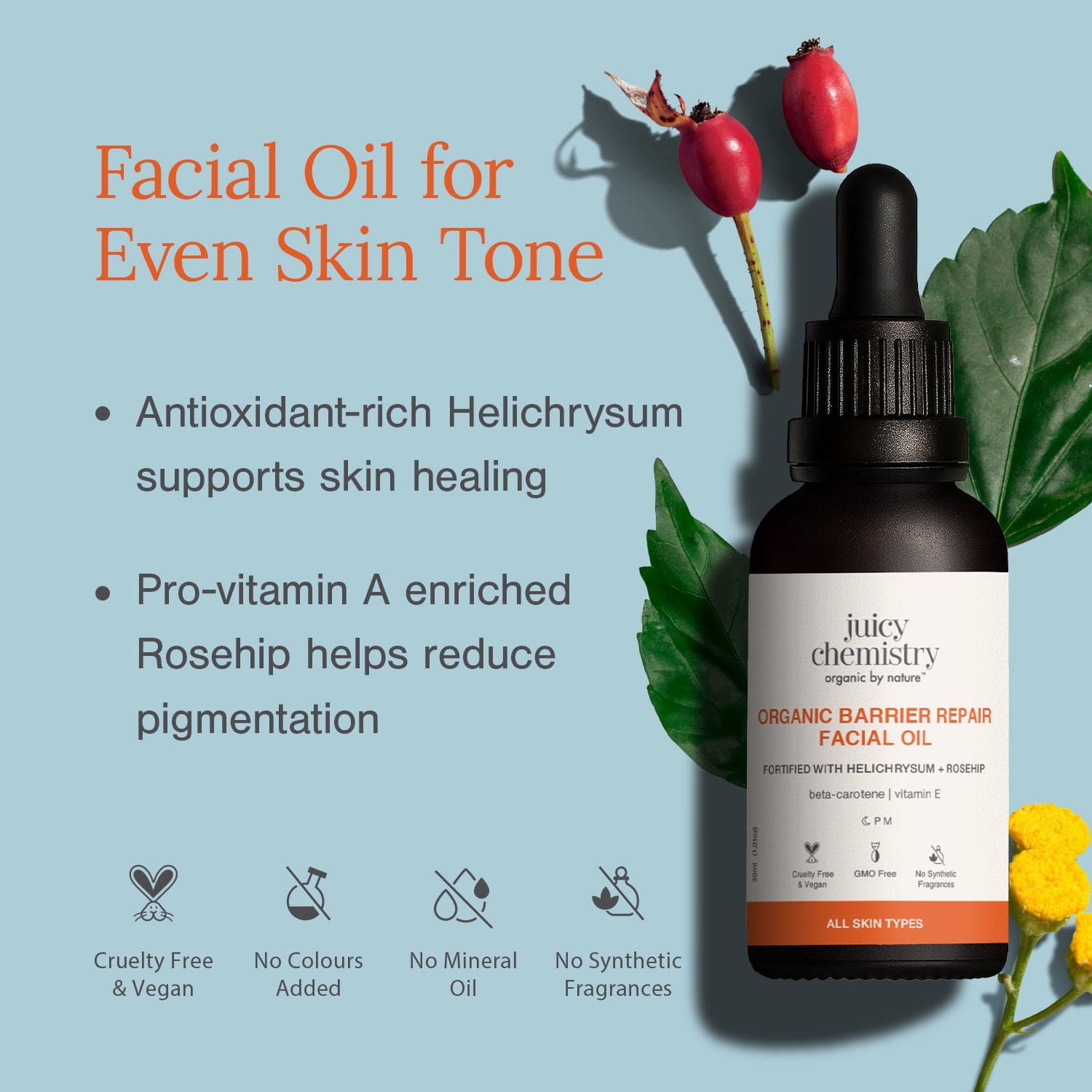
Occlusives like natural oils help seal in moisture and prevent transepidermal water loss. Ingredients such as rosehip oil can support barrier repair without clogging pores. If you're dealing with sensitive skin, rosehip oil benefits include calming inflammation and promoting regeneration.
Support from Within
Hydration starts internally. Drink adequate water throughout the day and include omega-3-rich foods like walnuts, flaxseeds, and fatty fish in your diet. These healthy fats help rebuild lipids from the inside out. Managing stress through mindfulness, adequate sleep, and regular movement also supports your skin's natural repair mechanisms.


Building a Skin Barrier Repair Routine
A simple, consistent routine is your best defence against ongoing damage. Here's what a basic skin barrier care routine might look like:
Morning:
- Gentle cleanser (or just lukewarm water if skin feels dry)
- Barrier-supporting serum with niacinamide or ectoin
- Lightweight moisturiser with ceramides or glycerin
- Mineral sunscreen (non-negotiable for protecting healing skin)
Evening:
- Gentle cleanser
- Hydrating treatment, such as aloe vera gel
- Nourishing facial oil or barrier repair moisturiser
For more detailed steps, explore this gentle skincare routine for sensitive skin.
If you're also dealing with uneven texture, patience is key. Avoid aggressive exfoliation and instead focus on hydration and repair. Once your barrier is restored, you can gradually reintroduce actives. Learn more about improving uneven skin texture without compromising barrier health.
When to Expect Results
Skin barrier repair isn't instant. Initial improvements in sensitivity and comfort may appear within a few days, but full restoration typically takes four to twelve weeks. Your skin regenerates on a 28-day cycle, and multiple cycles may be needed to rebuild lipid density and restore optimal function.
Be patient. Avoid the temptation to add new products or reintroduce actives too soon. Consistency and simplicity will serve you far better than chasing quick fixes.
Final Thoughts
Your skin barrier is the foundation of everything else. Without it functioning properly, even the most expensive serums and treatments can fall flat. By understanding what the skin barrier is, recognising damaged skin barrier symptoms, and committing to organic skin barrier repair methods, you're setting your skin up for long-term resilience.
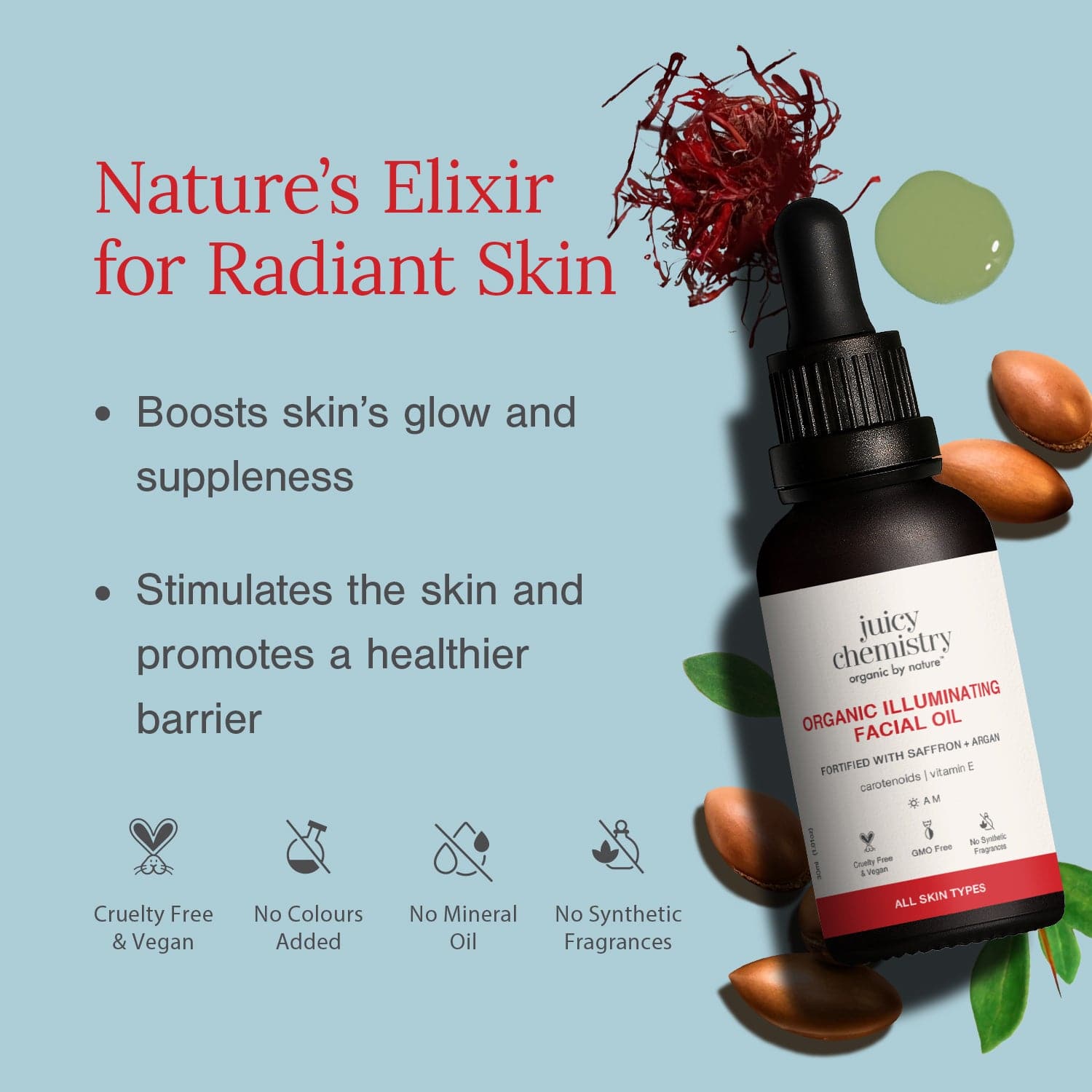
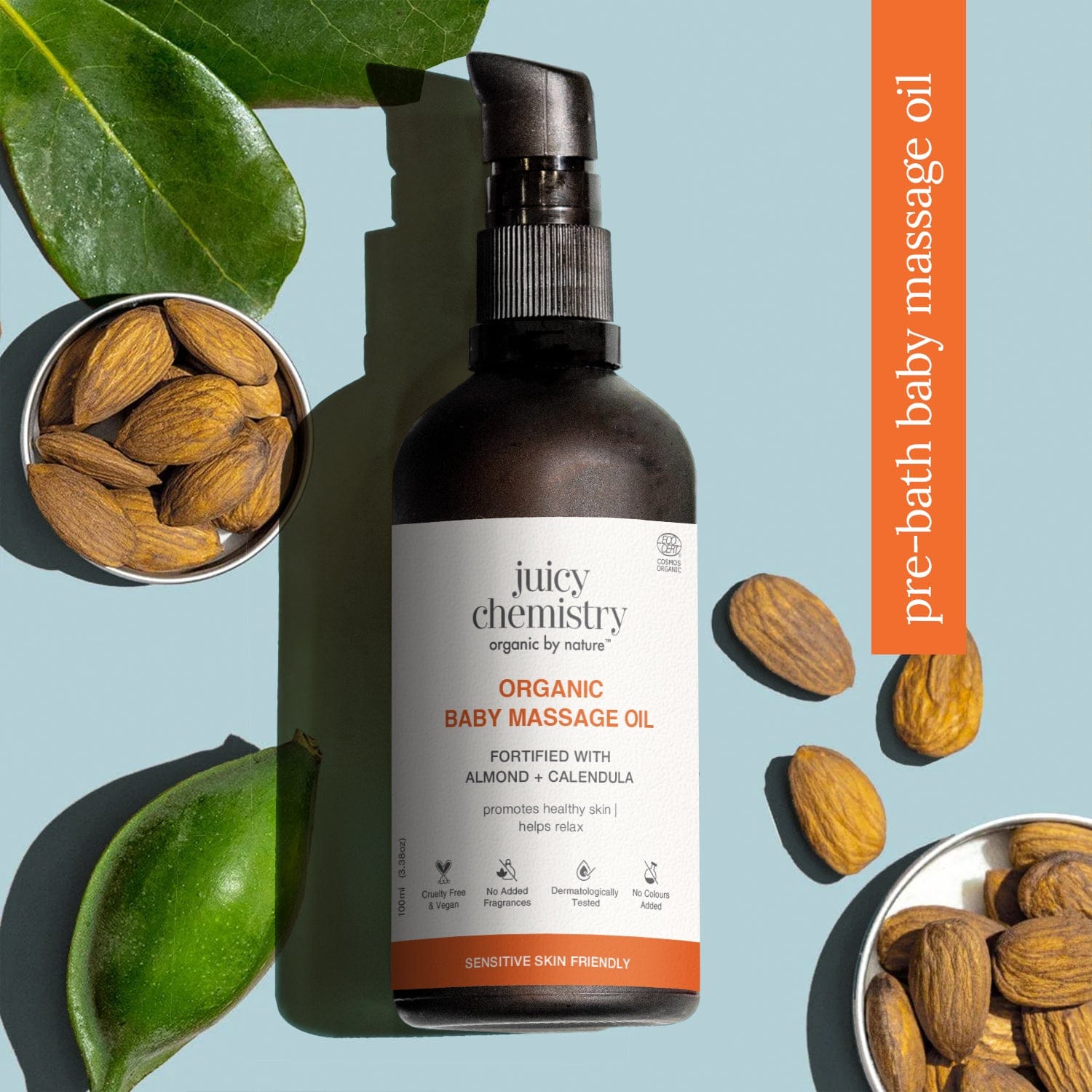
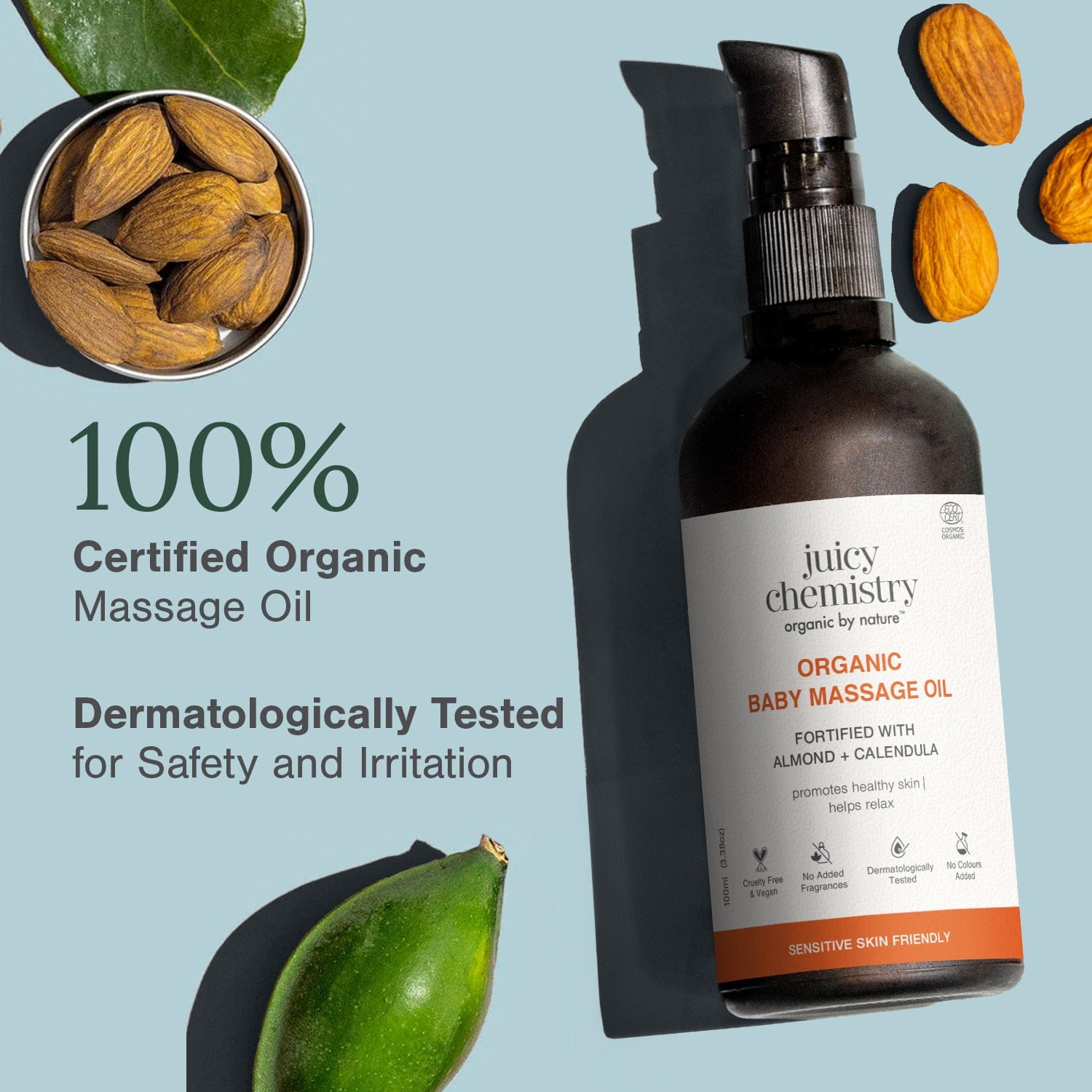
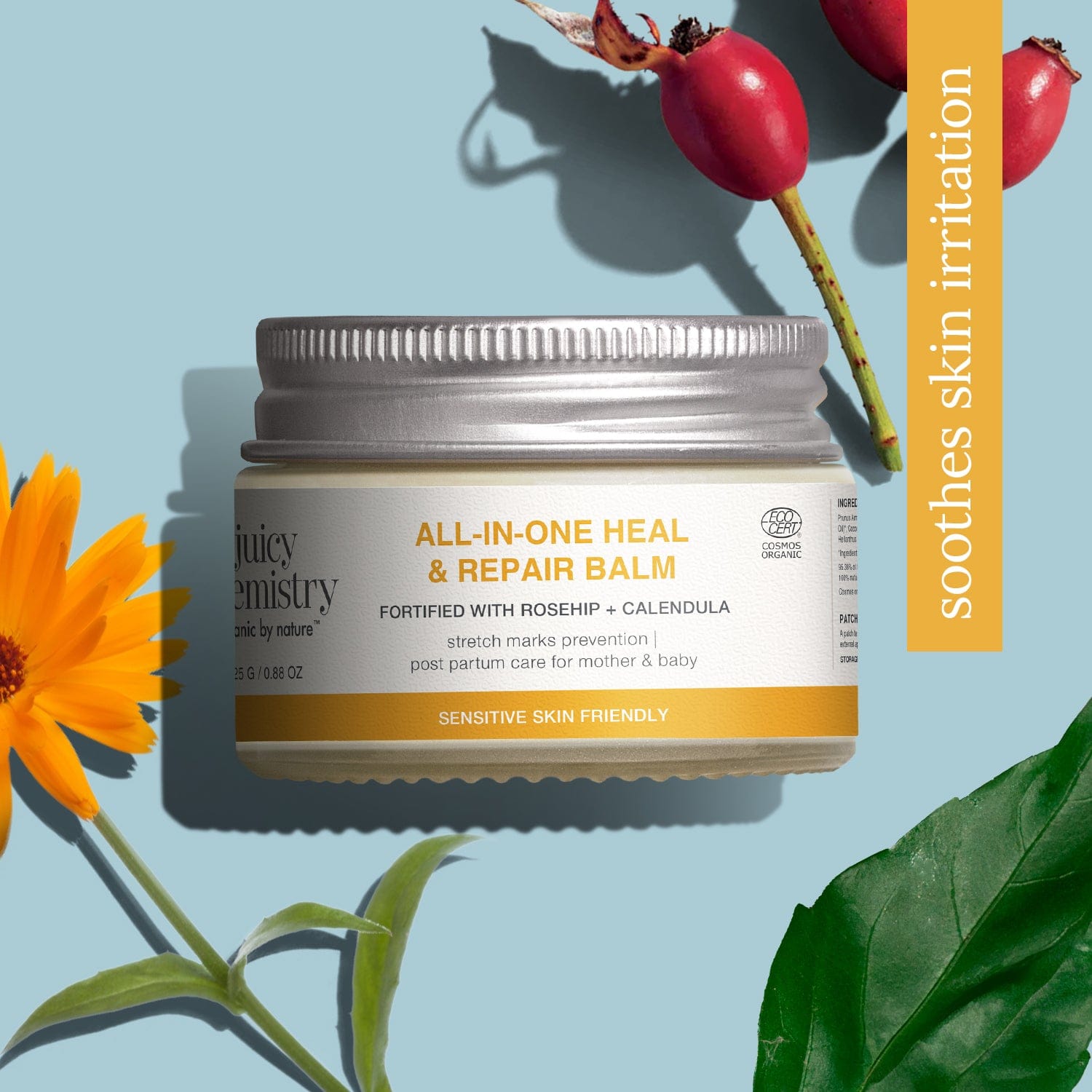
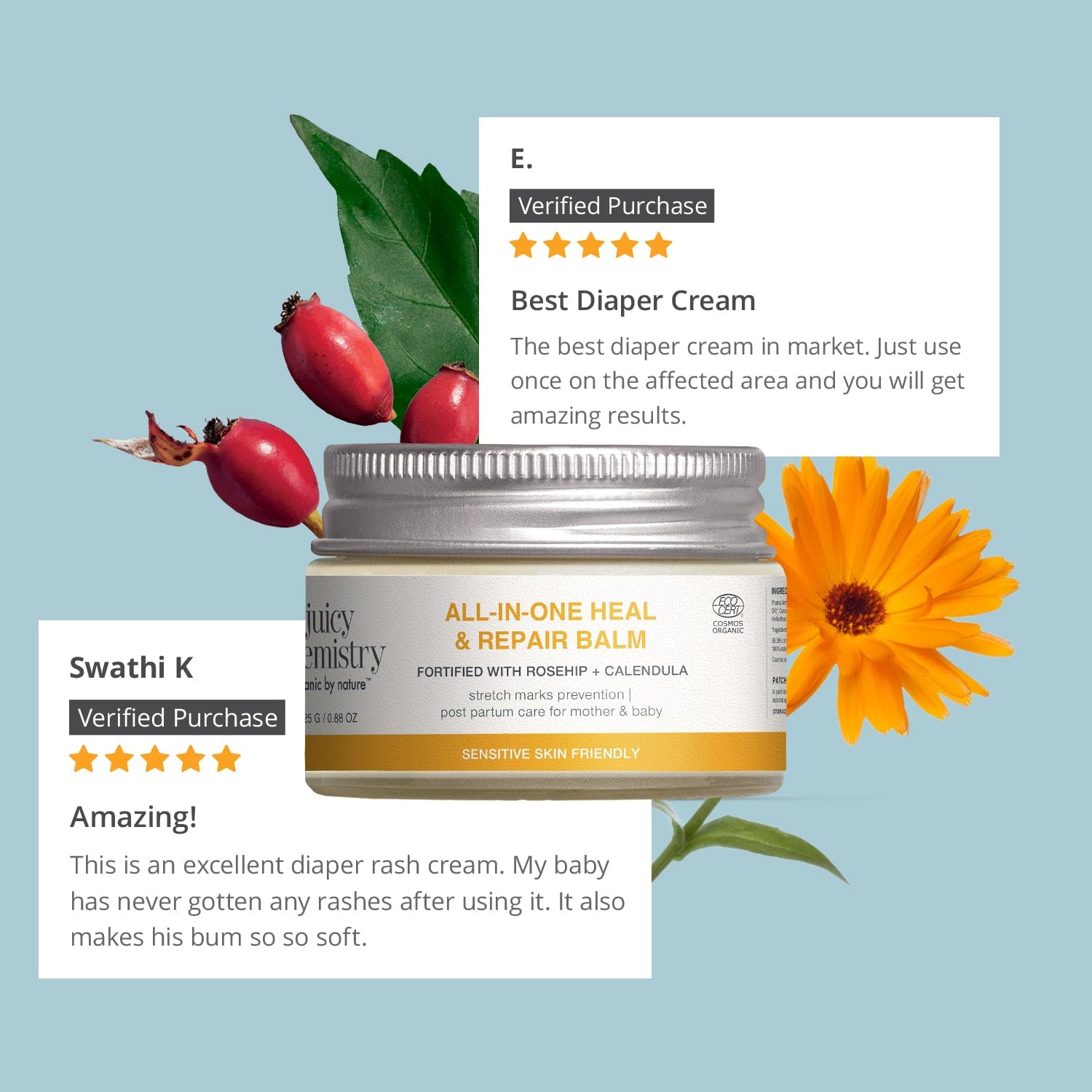
If you're ready to rebuild your barrier with clean, certified formulations designed to support skin health, explore Juicy Chemistry's range of ECOCERT COSMOS certified products. Because when your barrier is strong, your skin can finally breathe.
FAQs
How long does it take to repair a damaged skin barrier?
Initial improvements may appear within a few days, but full restoration typically takes four to twelve weeks, depending on the severity of damage and consistency of care.
Can I use active ingredients whilst repairing my skin barrier?
It's best to pause actives like retinoids, vitamin C, and acids temporarily. Once your barrier is restored, you can gradually reintroduce them one at a time.
What are the best ingredients for skin barrier repair?
Look for ceramides, niacinamide, hyaluronic acid, glycerin, and natural oils like rosehip. These ingredients help rebuild lipids, retain moisture, and calm inflammation.
Is over-exfoliation the only cause of barrier damage?
No. Harsh cleansers, hot water, environmental stress, dehydration, poor sleep, and underlying skin conditions can all compromise the barrier.
Can natural ingredients repair the skin barrier effectively?
Yes. Ingredients like aloe vera, niacinamide, and plant-based oils can support barrier repair when formulated correctly and used consistently within a simplified routine.