How to Get Rid of Pimples On Forehead? 11 Best Tips
June 28, 2021
How To Eliminate Pimples On Your Forehead?
11 Effective Tips
Acne is an inflammatory skin disorder instigated by the C. acnes bacteria, impacting individuals of all ages. While some experience breakouts across their entire face, others may find that their acne is localized solely on the forehead. These forehead pimples appear as small elevations on the skin and can be either inflamed or non-inflamed. Although the typical causes of acne are consistent across the body, forehead acne may arise from additional factors. Let’s explore the reasons behind forehead acne and discover natural methods to diminish it.
Common Causes Of Forehead Acne
1. Hormonal Fluctuations -
Forehead acne resulting from hormonal fluctuations is frequently seen during or after puberty. Variations in androgen levels or other hormones can lead to excessive sebum production on your skin and scalp, which clogs pores and results in pimples in your T-zone.
2. Stress -
An increase in cortisol levels (the hormone associated with stress) in your body can also contribute to the formation of pimples on your forehead.
3. Prescription Medications -
Certain oral medications, such as steroids or anticonvulsants, can also lead to acne as a side effect.
4. Poor Hygiene -
Inadequate cleansing of your hair and face, or resting on unwashed pillowcases for extended periods, can block your pores and result in forehead acne.
5. Hair Care Products -
Certain hair care items, including shampoos, conditioners, gels, oils, pomades, or waxes, may provoke acne on the forehead due to their pore-clogging components.
6. Skin Irritation -
Friction from headbands, sleeping on rough pillowcases, or using specific skincare products that are not friendly to your skin barrier can also lead to pimples on the forehead.
7. Dietary Choices -
If your diet is predominantly composed of high-glycemic index foods such as dairy or refined products, or if you consume a significant amount of sugar regularly, it may also trigger acne.
Note - Occasionally, you may notice small bumps on your forehead that are not acne. This could be a temporary skin reaction to a new product or changes in your environment or lifestyle.
How To Eliminate Forehead Acne?
1. Balance Hormonal Levels -
If you are experiencing hormonal acne (with other symptoms like irregular menstrual cycles and excessive hair growth), consider making holistic lifestyle changes and adjusting your dietary habits after consulting with a nutritionist. A visit to your gynecologist can help rule out any underlying health issues such as PCOS or thyroid disorders.
2. Control Excess Sebum Production -
Utilizing natural astringents and oils rich in linoleic acid can assist in regulating sebum production on your face. You might also apply a clay mask once or twice a week to maintain clear skin. Simply mix bentonite clay with organic rose water to create a paste, apply it to your skin to reduce oiliness, and rinse it off once it dries. Gently pat your skin dry with a soft cloth afterward.
3. Avoid Ingredients That Clog Pores -
Opt for skincare and haircare products that are oil-free or formulated with plant oils that have a low comedogenic rating to prevent pore blockage.
4. Maintain Scalp Cleanliness -
To prevent forehead pimples caused by dead skin and oil accumulation from your scalp, ensure that your scalp and hair are kept clean. Limit the use of hair styling products, wash your hair 2-3 times a week with our gentle organic shampoos to avoid buildup, and change your pillowcases 1-2 times weekly to uphold hygiene.
5. Choose Gentle Skincare Products -
If you have acne on your forehead, steer clear of skincare products that may irritate your skin. Instead, select gentle formulations that keep your skin hydrated and supple.
6. Maintain Clean Skin -
Utilize a mild, hydrating cleanser to eliminate dirt and excess oil from your face twice daily. Exfoliate your skin bi-weekly to remove dead skin cells. This practice will help prevent clogged pores and keep your forehead clear.
7. Opt for Nutritious Food Choices -
Reduce your consumption of processed foods and refined oils used in cooking. Ensure your diet is rich in fresh fruits, vegetables, whole grains, and nuts.
8. Incorporate Antimicrobial Ingredients -
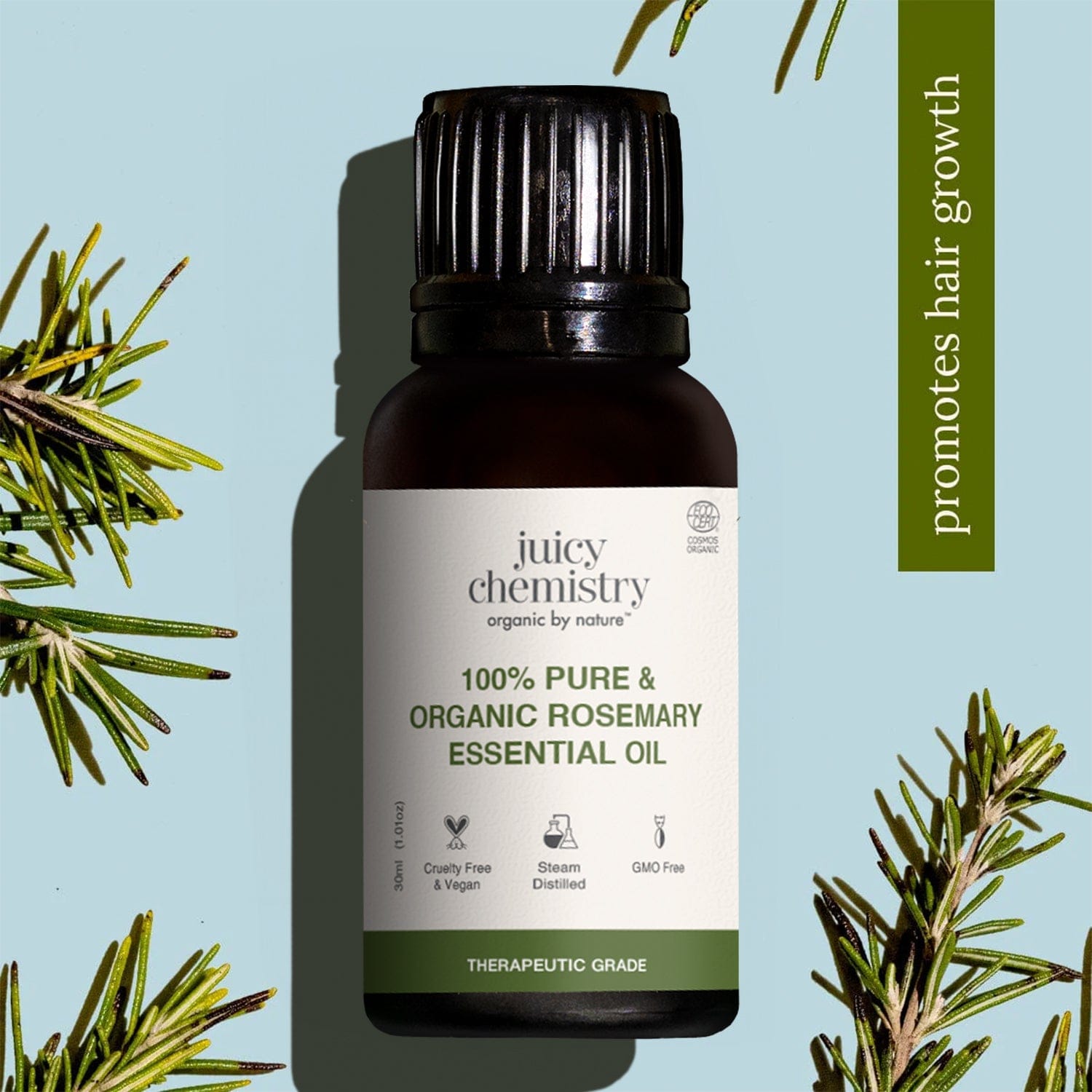
Natural ingredients such as neem, tea tree oil, rosemary, and turmeric possess antimicrobial properties that can help fend off acne-causing bacteria. Regularly including these in your skincare regimen will decrease the frequency of breakouts on your forehead and assist in speeding up the healing of existing pimples.
9. Calm Your Skin -
Inflammation can sometimes be a symptom of acne and often contributes to its development. Utilizing calming ingredients like aloe vera, lavender, and green tea can help soothe inflammation.
10. Seek Professional Help from a Dermatologist -
If over-the-counter products or home remedies for forehead acne are ineffective, it may be time to consult a dermatologist for expert guidance. Dermatologists can help identify the underlying cause and offer tailored medical advice.
11. Apply Hair Oil Sparingly -
Oiling your hair is beneficial for nourishing your scalp. However, over-saturating your hair with oil can contribute to forehead acne. Use only a small amount of oil necessary for massaging your scalp without causing friction. After oiling your hair, be sure to cleanse your face with gentle acne soap or a face wash designed for acne-prone skin.


Juicy Chemistry’s Beginner-Friendly Kit for Acne and Scars
Our beginner-friendly kit for acne and scars is thoughtfully curated with some of our top products aimed at treating forehead acne. These formulations address issues such as pimples, pitted scars, and Post Inflammatory Hyperpigmentation (PIH) for acne-prone, oily, and combination skin types. The kit features the following Juicy Chemistry products:
-
Hemp, Tea Tree, and Neem Organic Face Wash is a gentle and hydrating cleanser specifically designed for acne-prone skin. It effectively removes dirt and impurities while regulating sebum production.
-
Bulgarian Rose Water Toner is a 100% pure, steam-distilled rose hydrosol. It helps balance your skin's pH and offers astringent benefits to areas prone to acne.
-
Vitamin C Brightening Serum is a serum designed to brighten acne scars. It is naturally infused with kakadu plum extract, one of the richest sources of Vitamin C globally. This serum diminishes the appearance of marks and promotes a more even skin tone.
-
BHA Clarifying Serum contains willow bark extract, which provides natural antimicrobial and anti-inflammatory properties for acne-prone skin. It gently exfoliates dead skin and helps prevent pore clogging.
FAQs
How do you get rid of pimples on your forehead?
You can eliminate forehead pimples by maintaining clean skin with gentle cleansers, controlling excess sebum production using natural astringents, and incorporating antimicrobial ingredients like neem and tea tree oil into your routine. Additionally, keeping your scalp clean, avoiding pore-clogging products, and making dietary improvements can significantly reduce breakouts.
Why do pimples happen on the forehead?
Forehead pimples occur due to hormonal fluctuations, stress, poor hygiene, and pore-clogging hair care products that cause excess sebum production and bacterial growth. Other contributing factors include friction from headbands, inadequate cleansing, and diets high in refined products and sugar.
Is my diet causing forehead pimples?
Yes, your diet can contribute to forehead acne if it's predominantly composed of high-glycemic index foods, dairy, refined products, or excessive sugar. Switching to a diet rich in fresh fruits, vegetables, whole grains, and nuts while reducing processed foods can help minimize breakouts.
What to drink for forehead acne?
While the article doesn't specify particular drinks, staying hydrated with water is essential for maintaining clear skin. You might also consider incorporating green tea, which has calming and anti-inflammatory properties that can help soothe acne-related inflammation.
How to 100% remove acne?
Complete acne removal requires a comprehensive approach including balancing hormones, maintaining proper skin hygiene, using gentle skincare products with antimicrobial ingredients, and making dietary improvements. For persistent cases, consulting a dermatologist for professional guidance and tailored medical advice is recommended.
References
https://www.medicalnewstoday.com/articles/322130
https://pubmed.ncbi.nlm.nih.gov/2936775/
https://www.ncbi.nlm.nih.gov/books/NBK459173/