Monsoon Skincare Mistakes: 7 Things Making Your Skin Worse in the Rains
Liquid error (sections/article-template line 266): The format option 'month_day_year' is not a supported format.
Juicy Chemistry


If you've ever stood in front of your bathroom mirror wondering whether to apply your vitamin C serum before or after your niacinamide, you're not alone. Face serums have become the most talked-about step in modern skincare routines, yet confusion around which serum for my skin, when to apply serum, and the correct serum layering order remains widespread.
Here's the reality: a well-chosen organic serum can transform your skin in ways that moisturisers alone cannot. But only if you understand what you're working with.

Think of your skincare routine as a nutritional plan for your skin. If moisturisers are your daily meals, serums are your vitamin supplements, concentrated doses of specific actives designed to target particular concerns.
The fundamental difference between serum and moisturizer lies in molecular structure. Serums contain smaller molecules that can penetrate deeper into skin layers, delivering high concentrations of active ingredients exactly where they're needed. Research shows that serums can deliver up to ten times more active ingredients than traditional creams, making them particularly effective for addressing specific skin concerns like pigmentation, fine lines, or dehydration.
Moisturisers, by contrast, work primarily on the skin's surface to seal in hydration and protect the barrier. Both are essential, but they serve distinctly different purposes in using face serum effectively.
Not all serums are created equal, and this is where understanding the types of face serums becomes crucial for choosing the right formula.
Here's where many skincare enthusiasts go wrong. The application technique matters as much as the serum itself.
After cleansing, apply a hydrating toner like organic rose water while the skin is still slightly damp. This creates the optimal environment for serum absorption, moisture helps actives penetrate more effectively.
More is not better with serums. A face serum for beginners mistake is over-application. Three drops are sufficient for the entire face and neck. Avoid touching the dropper to your skin to maintain product hygiene.
Gently press the serum into your skin using your fingertips, moving from the centre of your face outward. Avoid aggressive rubbing, which can irritate skin without improving absorption.
Allow each serum to absorb for 30-60 seconds before applying the next product. This prevents pilling and ensures each active ingredient has time to penetrate.
The correct serum layering order follows a simple principle: thin to thick, water-based to oil-based. Clinical research supports this approach for maximising absorption and efficacy.
When layering multiple serums, pay attention to pH levels. Water-based serums with actives should be applied first, followed by richer, more emollient formulations.
The pursuit of radiance often leads to product overload, but the answer may be simpler than you think. Research on skin luminosity shows that genuine glow comes from three factors: adequate hydration, even skin tone, and healthy skin barrier function.
For a face serum for glowing skin, look for formulations that address all three. Vitamin C supports brightness, hyaluronic acid provides hydration, and niacinamide strengthens the barrier. The combination creates what dermatologists call "skin radiance", not superficial shine, but the kind of healthy glow that comes from well-functioning skin.
Consider seasonal adjustments too. During humid summer months, lightweight serums may suffice. As autumn approaches and indoor heating depletes moisture, layering a hydrating serum under your barrier-repair formula can maintain that radiant quality through environmental changes.
An organic serum guide wouldn't be complete without addressing this distinction. The term "organic" in skincare has a specific meaning when backed by certification like ECOCERT COSMOS, which requires rigorous verification, including farm visits, soil testing, and continuous monitoring of the entire supply chain.
Natural actives like plant-derived vitamin C (3-O-Ethyl Ascorbic Acid), botanical alpha arbutin, and green tea EGCG offer potent benefits without synthetic additives. Studies show these formulations can be equally effective as synthetic counterparts while being gentler on sensitive skin.
However, not all natural ingredients are created equal. Look for formulations that disclose concentration percentages, like 10% vitamin C or 2% alpha arbutin. Transparency about active levels indicates formulation expertise and clinical thinking.
Timing matters when deciding when to apply serum for optimal results. Some actives work better during specific times based on the skin's natural rhythms and environmental exposure.
This doesn't mean you can't use certain serums at both times, but understanding the science helps you prioritise effectively. Learn more about layering actives for maximum results.
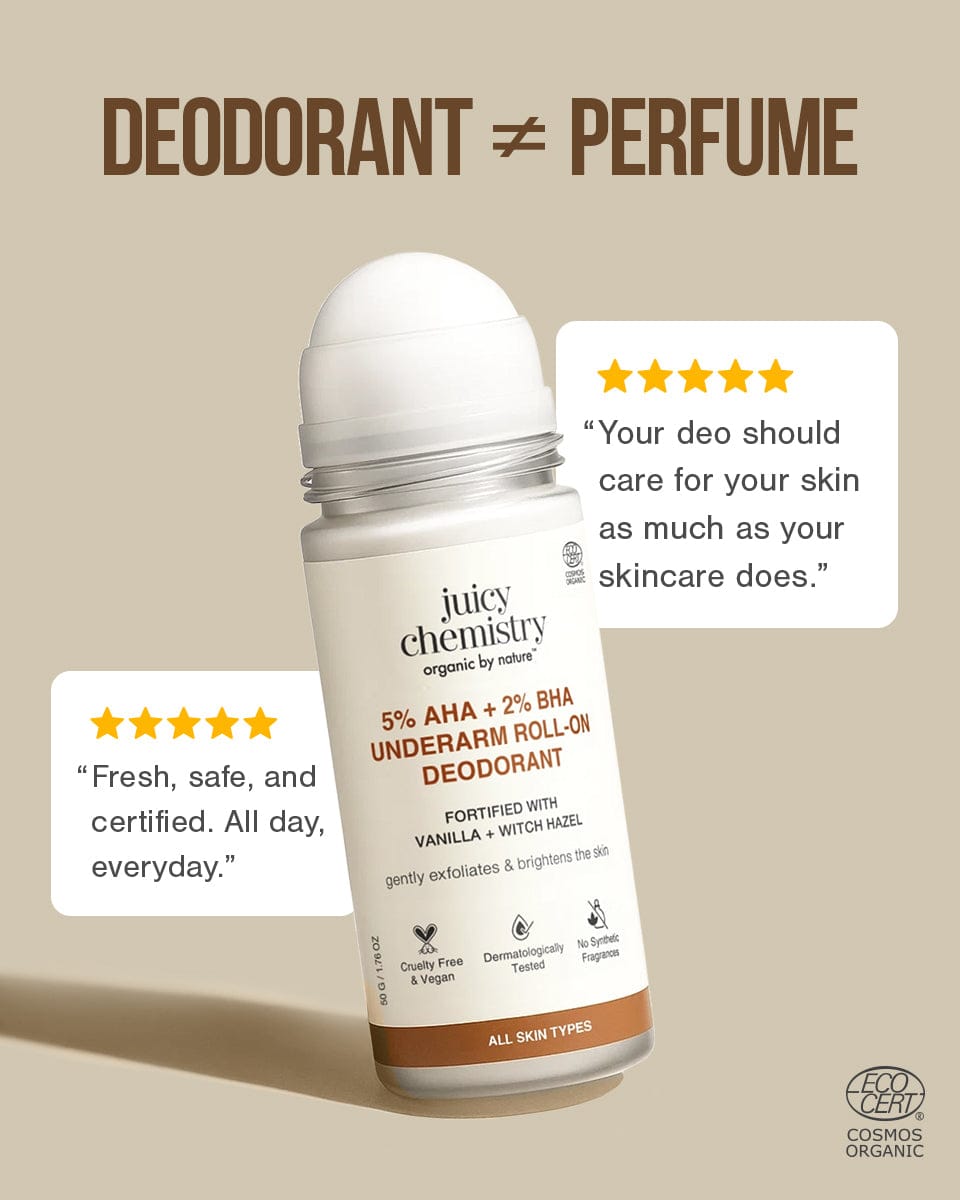
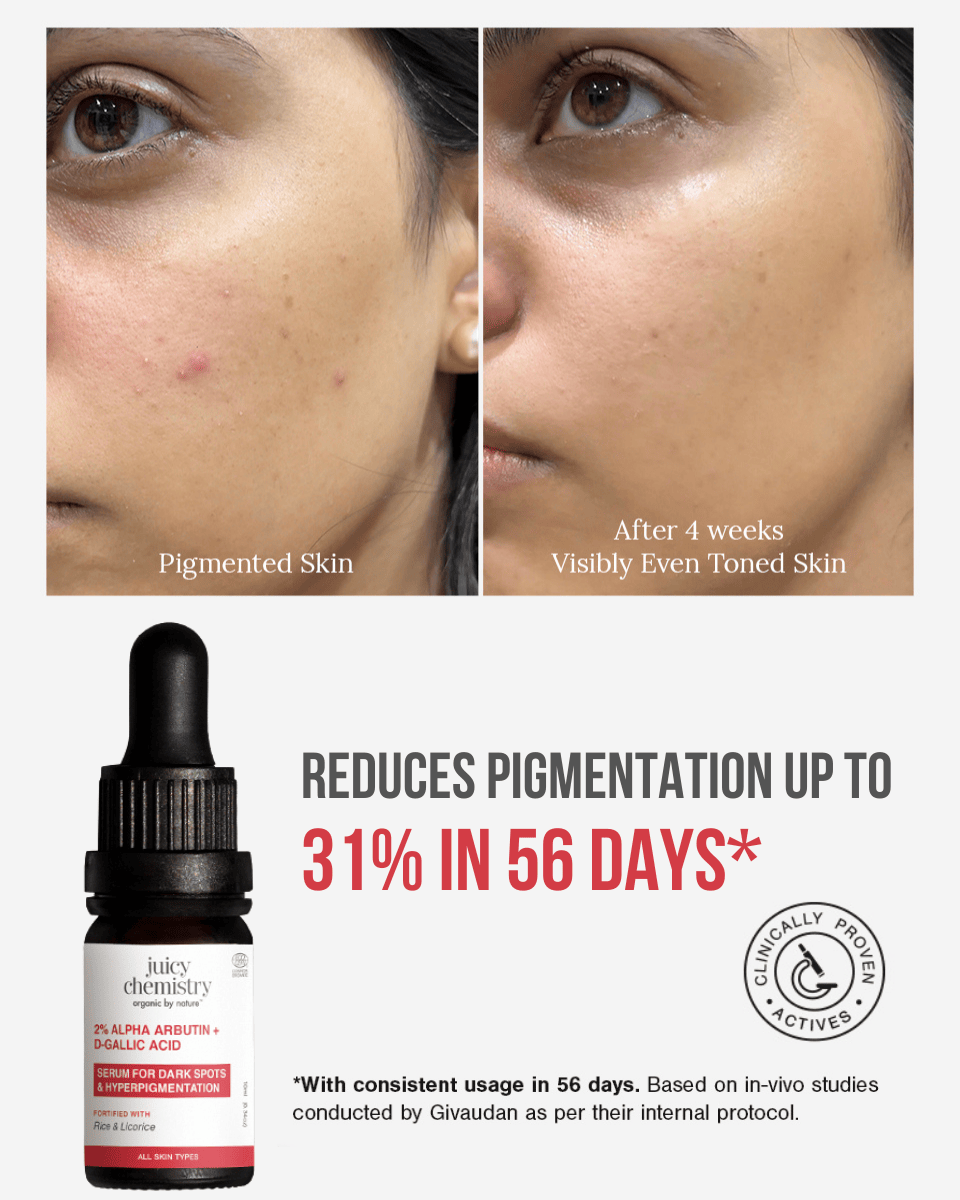
Perhaps no concern generates more questions than how to address skin discolouration. A serum for dark spots works by influencing the melanin production pathway, but this requires patience and consistency.
Clinical evidence shows that combining antioxidants with melanin-regulating ingredients may produce visible results within 8-12 weeks. The key is understanding that existing pigmentation sits within skin cells that need time to naturally shed and renew.
For post-acne marks or sun spots, a layered approach works best: vitamin C in the morning for protection and brightening, alpha arbutin in the evening for targeted melanin regulation. Always, always follow with broad-spectrum sunscreen during the day; UV exposure can reverse months of progress in hours.
Here's what most face serum for beginners guides won't tell you: products alone cannot override poor lifestyle habits. Your serum can deliver actives perfectly, but if you're sleeping four hours a night, skipping water, or eating a nutrient-poor diet, visible results will remain elusive.
Vitamin C works synergistically with dietary antioxidants. Ceramides function better when your skin barrier isn't constantly compromised by harsh cleansers. Niacinamide supports sebum regulation, but stress-induced hormonal fluctuations can override its effects.
This isn't about perfection, it's about awareness. During particularly stressful periods, your skin may need extra barrier support. In summer heat, you might require more hydration. Listening to your skin's changing needs matters as much as following any routine religiously.
Even experienced serum users make these errors:
Start with one serum addressing your primary concern. After four weeks, if needed, add a second serum targeting a different issue. This measured approach helps you identify what's actually working.
For combination skin: alternate between hydrating and oil-controlling serums based on how your skin feels each day.
For sensitive skin: prioritise barrier-repair formulations before introducing active ingredients.
For mature skin: focus on hydration and barrier support first, then add targeted anti-aging actives.
Remember, the best organic serum guide is your own skin's response. Pay attention to texture changes, how makeup sits, and how quickly your skin recovers from environmental stress. These subtle shifts indicate genuine improvement long before dramatic before-and-after photos.

Q: Can I use multiple serums together in one routine?
A: Yes, you can layer 2-3 serums if they target different concerns. Follow the thin-to-thick consistency order and allow 30-60 seconds between applications. Avoid combining multiple strong actives in one session.
Q: How long before I see results from a face serum?
A: Most serums show initial changes within 4-6 weeks, with optimal results appearing around 12 weeks. Consistency matters more than concentration for long-term improvements in skin texture and tone.
Q: Do I need different serums for morning and evening?
A: Not necessarily, but certain actives work better at specific times. Antioxidants like vitamin C offer daytime protection, while barrier-repair ingredients may support overnight recovery. Choose based on your skin's needs.
Q: Should I apply serum on damp or dry skin?
A: Slightly damp skin helps water-based serums absorb more effectively. After toning, apply your serum while skin retains some moisture, but avoid dripping wet application, which can dilute active concentrations.
Q: Can face serums replace my moisturiser?
A: No. Serums deliver concentrated actives deep into skin, while moisturisers seal in hydration and protect the surface barrier. Both serve essential but different functions in a complete skincare routine.


Shop Now