How to Apply Face Serum: Morning vs Night Routine and Application Tips
April 09, 2026Ever stared at your serum bottle, wondering if you're doing this right? You're not alone. Most people apply their serums at random times, unsure whether morning or night makes a difference. Here's what you need to know: when to apply face serum matters more than you might think. Your skin follows its own schedule, and working with this natural rhythm can significantly improve how well your serum performs.
Think of your skin as having two distinct modes. During daylight hours, it's in protection mode, defending against pollution, UV rays, and environmental stress. At night, it switches to repair mode, working to regenerate cells and fix damage. Understanding how to use face serum in alignment with these cycles can help you get better results from every drop.
Does Timing Really Affect Your Serum Results?
Your skin isn't static. Research suggests that skin's permeability and cell turnover rates vary throughout the day. This affects how well active ingredients can penetrate and perform their intended functions. The face serum application steps you follow matter, but so does timing.
Consider this: applying a hydrating serum when your skin naturally produces more oil might not give you the results you're hoping for. But using that same serum when your skin is genuinely thirsty? That's when you may see real changes. The serum application technique is only part of the equation. Understanding your skin's natural patterns completes it.
Morning Application: Protection and Preparation
Mornings call for serums that support your skin's protective functions. After 6-8 hours of overnight repair, your skin is ready for ingredients that shield and energise.
The Early Hours Advantage
Between 6-8 AM, your skin's pH tends to be more balanced, which may improve absorption of certain actives. This window can be ideal for antioxidant-rich formulations. If you're using a serum with botanical actives like Alpha Arbutin, morning application allows you to follow up with sunscreen, which is essential when using brightening ingredients.
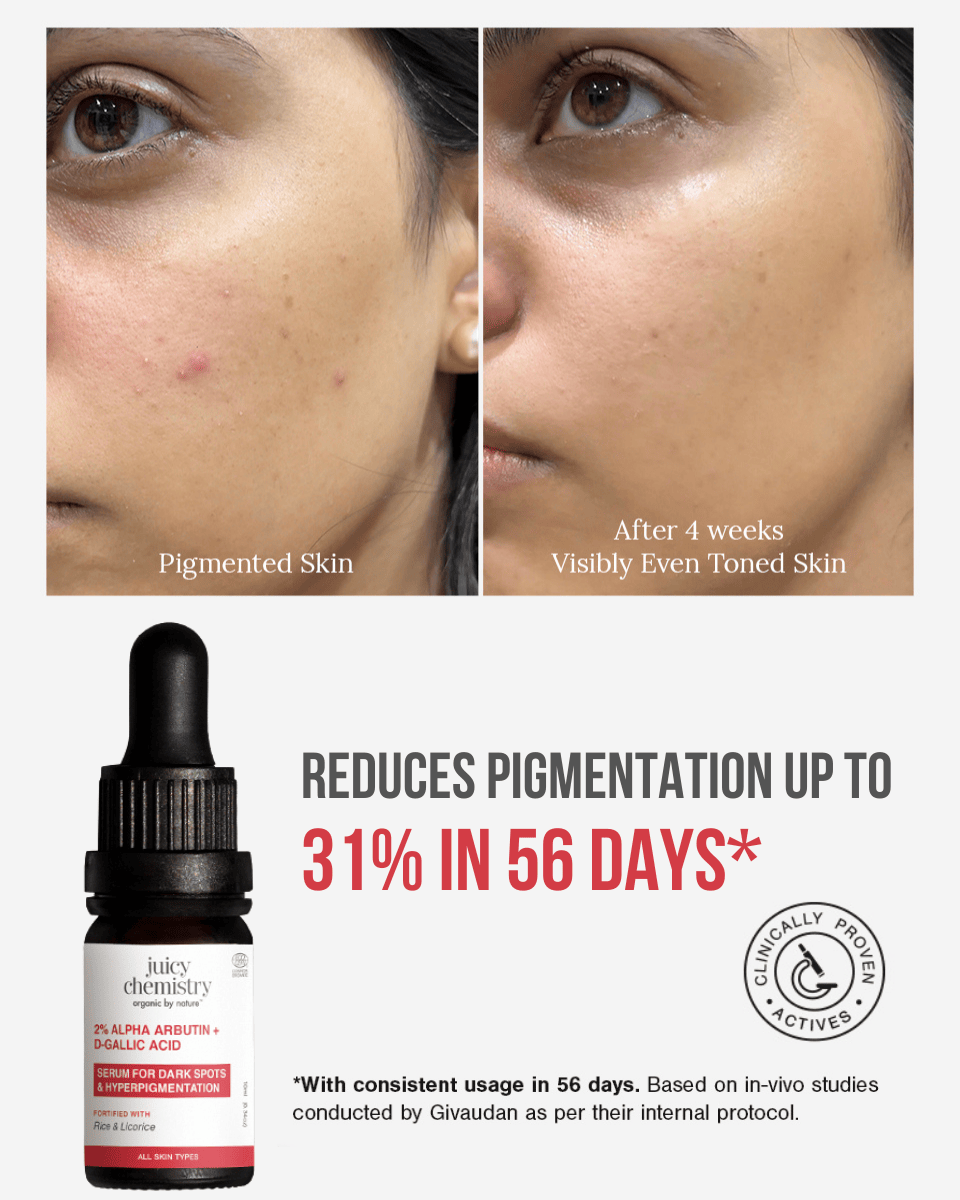
The 2% Alpha Arbutin + D-Gallic Acid serum works well in morning routines. Its lightweight, water-based formula absorbs quickly, and the rice and liquorice extracts can help support skin brightness throughout the day. Just remember to apply broad-spectrum sunscreen afterwards.
Face Serum Application Steps for Morning
Step 1: Cleanse gently
Use a mild cleanser to remove overnight sebum and prepare your skin for absorption.
Step 2: Tone (optional)
If you use a toner like organic rose water or rosemary water, apply it first and wait about 30 seconds.
Step 3: Dispense correctly
Understanding how much serum to use on face prevents waste. Generally, 2-3 drops are sufficient for your face and neck. Avoid touching the dropper directly to your skin to maintain hygiene.
Step 4: Press, don't rub
Warm the serum between your palms briefly, then press it gently onto your face using patting motions. This technique may help ingredients penetrate without tugging delicate skin.
Step 5: Wait before layering
After applying serum, what to do? Wait 60-90 seconds. This absorption time helps prevent pilling and allows the serum to work properly.
Step 6: Seal and protect
Follow with your moisturiser and always finish with sunscreen when using active ingredients during the day.
Night Application: Repair and Renewal
Evening is when your skin does its most intensive repair work. How to apply serum at night should focus on supporting this regeneration process.
The Evening Repair Window
Interestingly, applying your serum around 8-10 PM rather than right before bed may give it a head start on overnight repair. Your skin's regenerative processes begin ramping up in the evening hours, not just when you're asleep.
Night-time can be ideal for serums with barrier-supporting ingredients. The 3% Ceramide Complex + Copper Peptide serum is formulated for evening use, helping to restore moisture balance while you rest. Ceramides naturally occur in healthy skin, and topical application may help replenish what environmental exposure depletes.
Face Serum Routine for Night
Step 1: Double cleanse
Remove the day's buildup thoroughly with an oil-based cleanser followed by a water-based one.
Step 2: Apply toner if desired
This can help remove any remaining impurities.
Step 3: Consider face serum on wet or dry face
Slightly damp skin can sometimes help with absorption. Pat your face until just barely moist, not soaking wet.
Step 4: Apply with gentle upward strokes
Focus on areas that need extra attention, using pressing motions rather than rubbing.
Step 5: Allow proper absorption
Give your serum 60-90 seconds to sink in before applying your next product.
Step 6: Lock it in
Seal everything with a nourishing moisturiser or facial oil.
What Order Should Your Products Go?
The universal rule: apply products from thinnest to thickest consistency. This typically means cleanser, toner, serum, and then moisturiser. Serums go before moisturisers because they're formulated to penetrate deeper layers, while moisturisers create a protective surface barrier.
If you're using multiple serums, start with water-based formulations before moving to oil-based ones. Space them out by at least 15 minutes if using multiple active ingredients to reduce the chance of sensitivity.
For more detailed guidance on product layering, you might find this complete layering guide helpful.
Face Serum Benefits: What to Expect
Understanding serum uses for the face helps set realistic expectations. Different formulations serve different purposes, and results typically become noticeable after 4-6 weeks of consistent application.
- Hydration support: Ingredients like hyaluronic acid and aloe vera can help attract and retain moisture, making skin appear plumper.
- Brightening effects: Plant-based actives like alpha arbutin may help even out skin tone over time with regular use and sun protection.
- Barrier strengthening: Ceramides and peptides can help support your skin's protective barrier, potentially reducing sensitivity.
- Texture refinement: Regular serum use may help smooth skin texture with consistent application.
- Antioxidant protection: Botanical extracts can help defend against environmental stressors when used in morning routines.
To understand the full spectrum of what natural serums can offer, explore these benefits of organic face serums.
Adapting Your Routine Through the Seasons
Your skin's needs shift with seasonal changes, and your face serum routine can adapt accordingly. During humid summer months, lightweight formulations may feel more comfortable, while winter's dry air might call for more intensive barrier support in evening routines.
Spring and autumn bring transition periods when your skin adjusts to changing temperatures and humidity levels. This can be an ideal time to reassess whether your current serum still serves your skin's needs. Pay attention to how your skin feels and responds, and adjust accordingly.
Lifestyle Factors That Affect Results
Products alone won't deliver optimal results if other factors are working against them. Sleep quality, for instance, directly affects your skin's overnight repair processes. If you're consistently sleeping only 5-6 hours, even the best night serum may not perform at its full potential.
Hydration matters too. Drinking adequate water throughout the day supports your skin's moisture levels from within. Stress management, balanced nutrition, and protecting your skin from excessive sun exposure all play roles in how well your serum can work.
Think of serums as supporting your skin's natural functions rather than replacing them. They work best when combined with healthy lifestyle practices.
Common Application Mistakes to Avoid
Using too much product is wasteful and unnecessary. Stick to 2-3 drops to prevent product waste and potential sensitivity.
Skipping the wait time between steps can reduce effectiveness. Rushing to apply moisturiser immediately may prevent your serum from absorbing properly.
Touching the dropper to your face can introduce bacteria into your product. Always dispense onto clean hands first.
Applying serums on unclean skin means they sit on top of oil and debris rather than penetrating properly. Always cleanse first.


Building Your Perfect Serum Routine
Start with one well-chosen serum that addresses your primary concern. Apply it consistently using proper technique, and give your skin at least 4-6 weeks to respond. If you're new to active ingredients, begin with every other day application and gradually increase frequency as your skin adjusts.
The foundation of effective skincare is understanding what your skin needs and providing it consistently. Whether you're focused on hydration, brightness, or barrier support, success lies in choosing quality formulations and applying them correctly.
For a deeper understanding of different serum types and how they work, this comprehensive guide to organic face serums offers valuable insights.
Ready to upgrade your skincare routine with certified organic formulations? Explore Juicy Chemistry's range of ECOCERT COSMOS certified serums, each designed to work harmoniously with your skin's natural intelligence.
FAQs
When should I apply face serum, morning or night?
It depends on the serum type. Antioxidant formulations typically work well in the mornings for protection, while barrier-supporting serums may be more effective at night. Some hydrating serums can be used twice daily based on your skin's needs.
Should I apply serum to wet or dry skin?
Slightly damp skin can sometimes help with absorption, but avoid applying on soaking wet skin. Pat your face until just barely moist, then apply your serum using gentle pressing motions for best results.
How much serum should I use on my face?
Two to three drops are generally sufficient for your entire face and neck. Using more product doesn't improve results and may lead to unnecessary waste or potential sensitivity with some formulations.
What should I do after applying serum?
Wait 60-90 seconds for the serum to absorb, then follow with your moisturiser. In the morning, always finish with broad-spectrum sunscreen to protect your skin, especially when using active ingredients.
Can I use different serums morning and night?
Yes, and this approach can be beneficial. Your skin may benefit from protective antioxidant serums in the morning and barrier-supporting or treatment serums at night, aligning with your skin's natural day and night cycles.