Peppermint Oil Uses in Summer: Cooling Benefits for Skin, Hair, and Mind
April 06, 2026If you've ever stepped outside during an Indian summer afternoon and felt the heat clinging to your skin like an unwelcome guest, you're not alone. The heaviness, the sticky scalp, the low-grade headache that settles in by midday, these are the uninvited companions of our warmest months. What if there was a single ingredient that could address multiple summer struggles at once?
Enter peppermint oil, the cooling powerhouse that works with your body's natural receptors to create genuine relief. Unlike temporary fixes, peppermint essential oil uses tap into your nervous system's cooling pathways, offering sensory comfort when you need it most.
Why Does Peppermint Oil Feel So Cooling?
The secret lies in menthol, peppermint oil's primary active compound. When applied to skin (always diluted, never neat), menthol activates TRPM8 receptors, the same cold-sensitive nerve endings that respond to actual temperature drops. This creates what researchers call a "cooling sensation" without changing your skin's actual temperature.
Think of it as your body's internal air conditioning switch. Studies show this effect can provide measurable relief from heat-related discomfort, making peppermint oil for cooling one of summer's most practical natural solutions.
How Can Peppermint Oil Help Your Summer Skin?
Soothing Heat-Stressed Skin
Summer skin often protests - redness, irritation, and that tight feeling after sun exposure. Peppermint oil benefits for skin include anti-inflammatory properties that may help calm these reactions. The cooling effect can provide immediate sensory relief while the oil's natural constituents work to address underlying inflammation.
For a simple cooling mist, dilute 2-3 drops of pure peppermint essential oil in 100ml of rose water or aloe vera gel. Store it in the fridge and spritz when your skin needs a reset. This peppermint oil dilution guide ratio ensures safety while maximizing the cooling benefits.
Managing Excess Oil and Breakouts
Humid weather often means overactive sebaceous glands. Peppermint oil for face applications can help regulate oil production thanks to its natural astringent qualities. When properly diluted with a carrier oil like jojoba or grapeseed, it may help tighten pores and reduce the heavy, greasy feeling that accompanies summer skin.
Mix one drop of certified organic peppermint oil with a teaspoon of your regular facial oil and apply to clean skin. The light, non-comedogenic base prevents clogging whilst the peppermint works its clarifying magic.
Relief from Itching and Bug Bites
Peppermint oil for itching offers dual benefits - the cooling sensation distracts from discomfort, while the oil's antimicrobial properties may help prevent secondary infection from scratching. Research indicates that menthol-rich preparations can reduce itch intensity through sensory pathway modulation.
Create a roll-on remedy by combining 5 drops of peppermint oil with 10ml of coconut oil. Apply to bites, heat rash, or irritated patches for quick comfort.
What About Peppermint Oil for Hair and Scalp Health?
Cooling the Overheated Scalp
That heavy, suffocating feeling on your scalp after a day in the heat? Peppermint oil for scalp care addresses this directly. The vasodilatory effect of menthol increases blood circulation to hair follicles, creating a refreshing, tingly sensation while potentially supporting healthier hair growth.
Research has shown that topical peppermint oil application can promote hair growth through multiple mechanisms, including enhanced circulation and follicle stimulation. Add 3-4 drops to your regular hair oil and massage into the scalp before shampooing.
Controlling Sweat and Odour
Summer scalps tend towards oiliness and odour. Peppermint oil's antibacterial properties may help neutralise odour-causing bacteria, while its astringent qualities can temporarily reduce excess sebum. This doesn't stop sweating (which is healthy and necessary), but it can make the aftermath more manageable.
For a pre-wash treatment, blend peppermint essential oil with a lightweight carrier like sweet almond oil. Apply, leave for 30 minutes, then cleanse as usual.
Addressing Dandruff and Itchiness
Hot, humid conditions can exacerbate scalp flaking and irritation. The anti-inflammatory and antimicrobial properties of peppermint oil may help soothe these concerns when used consistently. For those dealing with persistent scalp issues, peppermint oil for hair growth routines can serve double duty, addressing immediate discomfort whilst supporting longer-term scalp health.
Can Peppermint Oil Really Help Your Mind?
Mental Clarity When Heat Drains Focus
Summer afternoons often bring mental fog, that sluggish, can't-quite-concentrate feeling. Peppermint oil's sharp, penetrating aroma acts as a sensory wake-up call. While it won't replace proper rest or hydration, the scent can provide a brief cognitive boost when you need to push through.
Studies on aromatherapy suggest that inhaling peppermint essential oil may improve alertness and task performance, making it useful for work-from-home days when the AC is struggling.
Headache Relief
Peppermint oil for headache relief has traditional backing and emerging scientific support. The cooling sensation, combined with potential muscle-relaxing properties, may help ease tension-type headaches that often accompany heat stress and dehydration.
Dilute one drop in a carrier oil and gently massage into temples and the back of the neck. The key is gentle application, never apply undiluted oil near the eyes or on broken skin.
Energy Without Stimulants
When you need a lift but don't want more caffeine, peppermint oil in summer can serve as a natural energiser. Keep a small bottle in your bag and inhale directly from the bottle (not touching skin) for a quick sensory refresh. This works particularly well during commutes or mid-afternoon slumps.

How Should You Use Peppermint Oil Safely?
The Golden Rule: Always Dilute
This cannot be overstated - peppermint oil is highly concentrated and can cause irritation or burns if applied undiluted. A safe peppermint oil dilution guide recommends:
- For face: 1 drop per teaspoon of carrier oil
- For body: 3-5 drops per tablespoon of carrier oil
- For scalp: 3-4 drops per tablespoon of hair oil
- In diffuser: 3-5 drops in water
Patch Test First
Even diluted, some skin may react. Test any new blend on your inner forearm and wait 24 hours before broader application. If you experience redness, burning, or irritation, discontinue use.
Special Considerations
Avoid peppermint oil if you're pregnant, breastfeeding, or using it on children under 6 years old. The menthol can affect breathing in very young children, so keep it well away from little faces. Those with sensitive skin conditions should consult a dermatologist before incorporating peppermint essential oil uses into their routine.
Your Summer Peppermint Routine
- Morning: Add one drop to your facial oil for a refreshing start
- Midday: Keep a diluted spray in your bag for instant cooling
- Evening: Massage diluted oil into your scalp before your shower
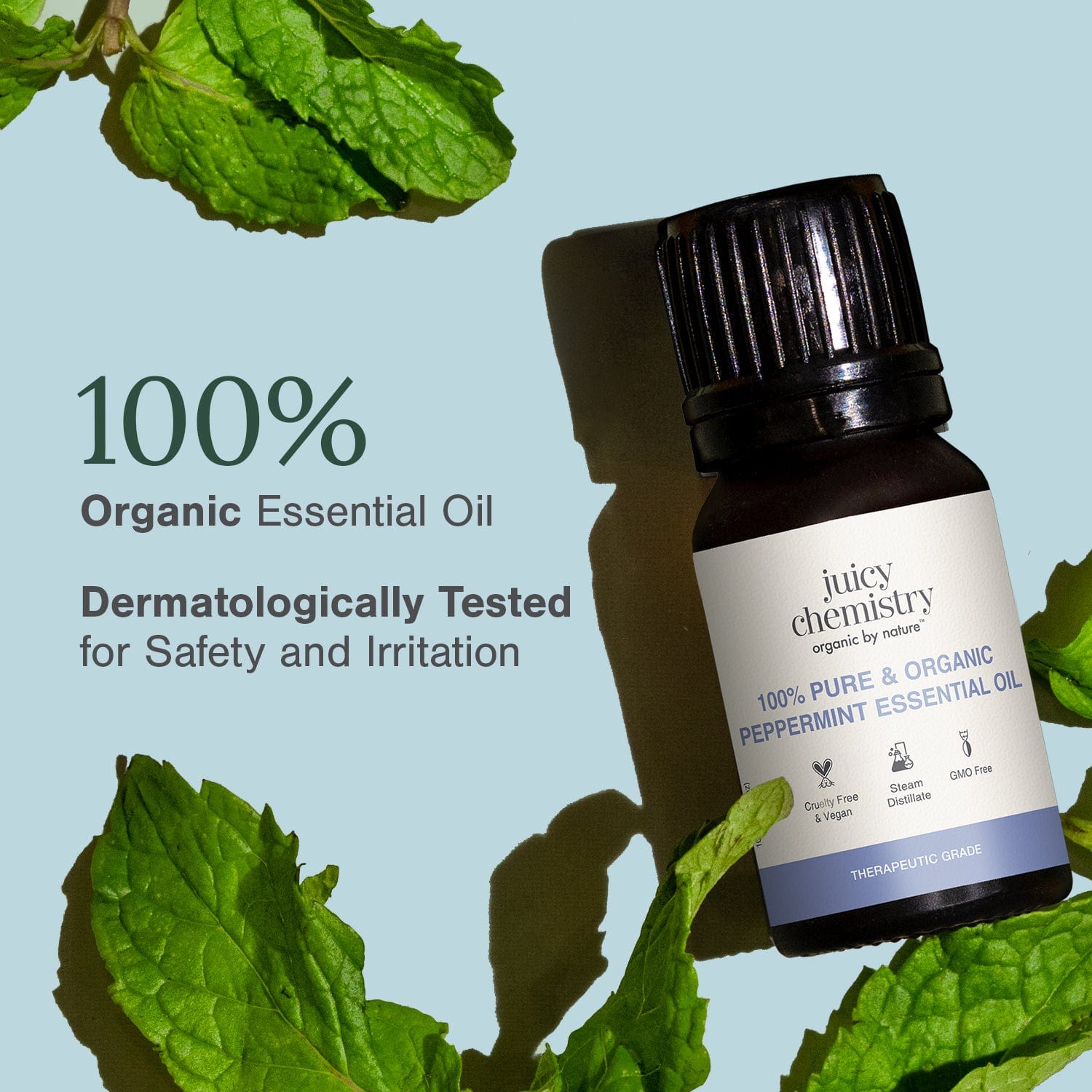
For those seeking a certified organic option, look for COSMOS or ECOCERT certification to ensure purity and sustainable sourcing.
Peppermint oil won't single-handedly solve summer's challenges, but used thoughtfully, it can become a reliable tool in your seasonal survival kit. The cooling sensation, the mental lift, the scalp refresh, these small interventions add up to genuine comfort during our hottest months.
FAQs
Can I apply peppermint oil directly to my skin?
No, never apply undiluted peppermint oil to skin. Always mix with a carrier oil like coconut, jojoba, or sweet almond oil to prevent irritation or chemical burns.
How often can I use peppermint oil on my scalp?
You can use diluted peppermint oil 2-3 times per week. For daily use, keep the concentration very low (1 drop per tablespoon of carrier oil) to avoid over-stimulation.
Does peppermint oil actually lower body temperature?
No, it doesn't change your actual temperature. It activates cold-sensitive receptors that create a cooling sensation, making you feel cooler without affecting core body temperature.
Can peppermint oil help with summer acne?
It may help manage excess oil and has antimicrobial properties, but it's not a standalone acne treatment. Use it as part of a complete skincare routine for best results.
Is peppermint oil safe for all skin types?
When properly diluted, most skin types can tolerate peppermint oil. However, those with very sensitive skin, rosacea, or eczema should patch test carefully and consult a dermatologist before regular use.