Oily Scalp but Dry Hair? Here's Why It Happens
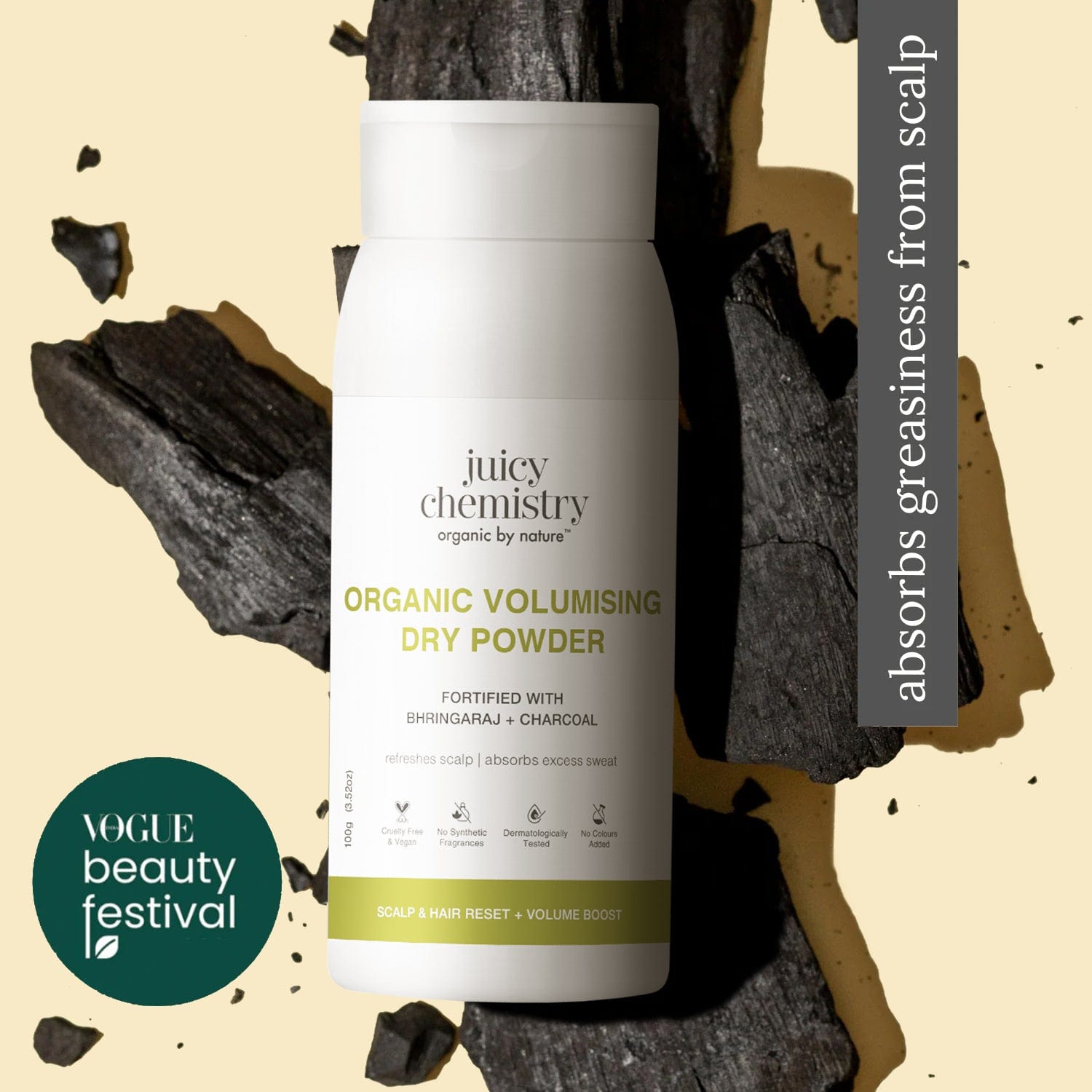
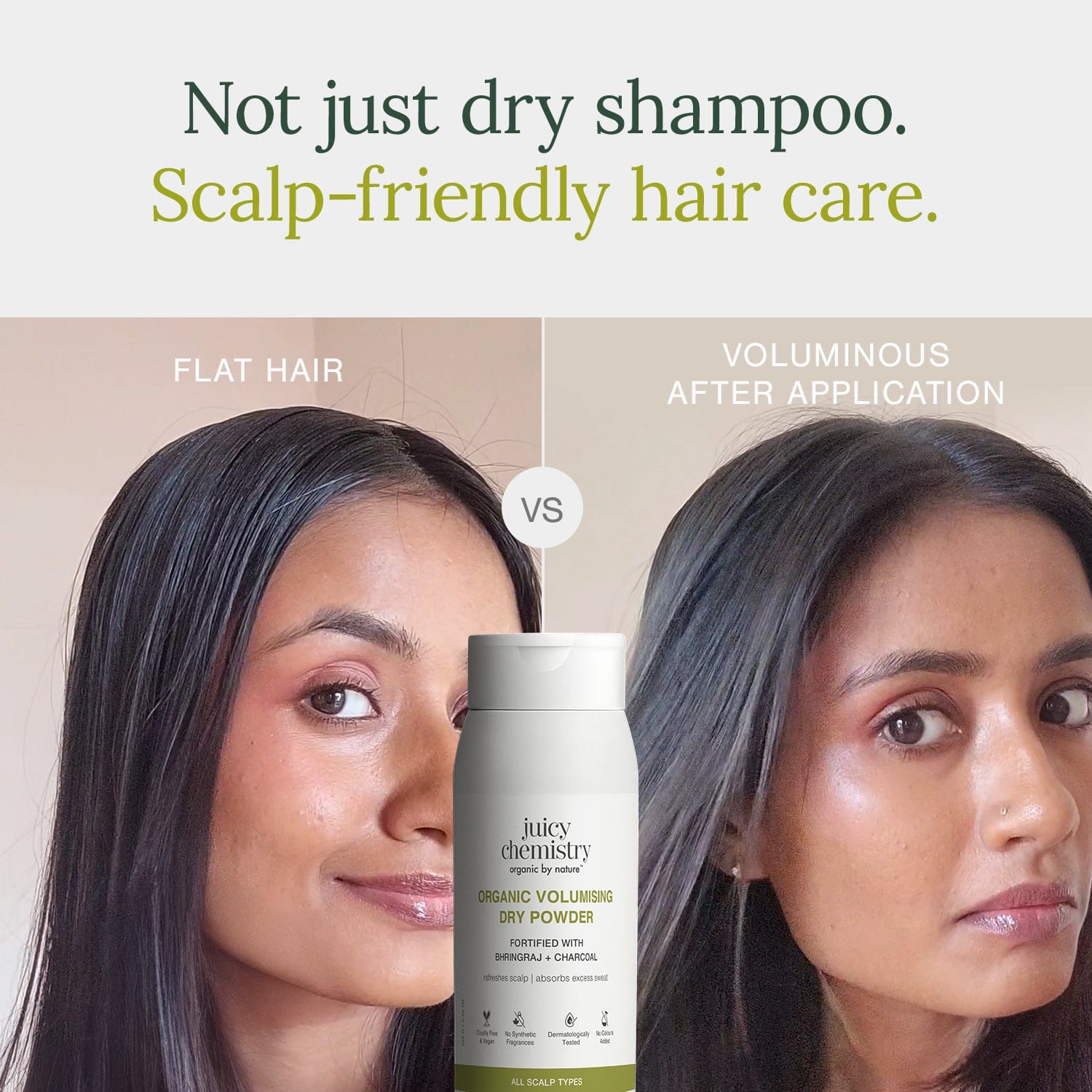
September 29, 2026Greasy roots and dry ends are not a contradiction. Your scalp and your hair lengths are different environments with different needs. Once you stop treating your entire head as one uniform surface, this common hair problem becomes much easier to manage.
Why the scalp gets oily
Sebaceous glands in the scalp produce sebum. The amount varies between people and can be influenced by genetics, hormones, climate and other factors. Your scalp therefore has its own oil-management needs.
Why the lengths stay dry
Hair lengths do not contain sebaceous glands. They depend partly on natural oils travelling down the shaft, which can be less effective with long, curly, textured or damaged hair. That is why oily roots and dry ends can exist at the same time.
The over-washing trap
When roots are oily, it is tempting to aggressively shampoo the entire head. Your scalp may feel clean while the lengths become rough and dry. Focus cleansing primarily on the scalp and allow the rinse-through to clean much of the lengths.
Condition the lengths
Conditioner is generally more useful on the mid-lengths and ends, where hair needs help with softness, detangling and friction. Applying heavy conditioner directly to an oily scalp may make the roots feel weighed down.


Should you oil an oily scalp?
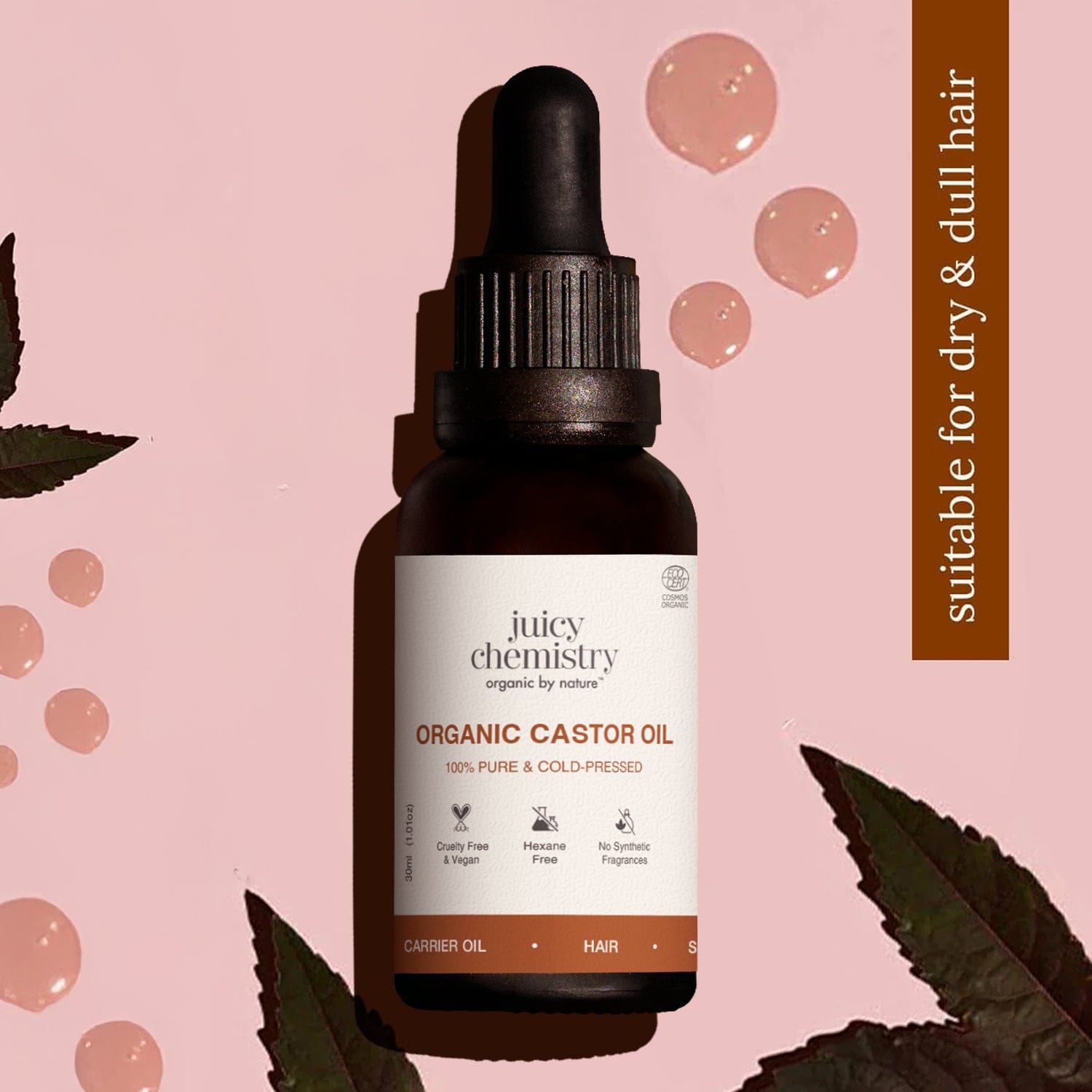
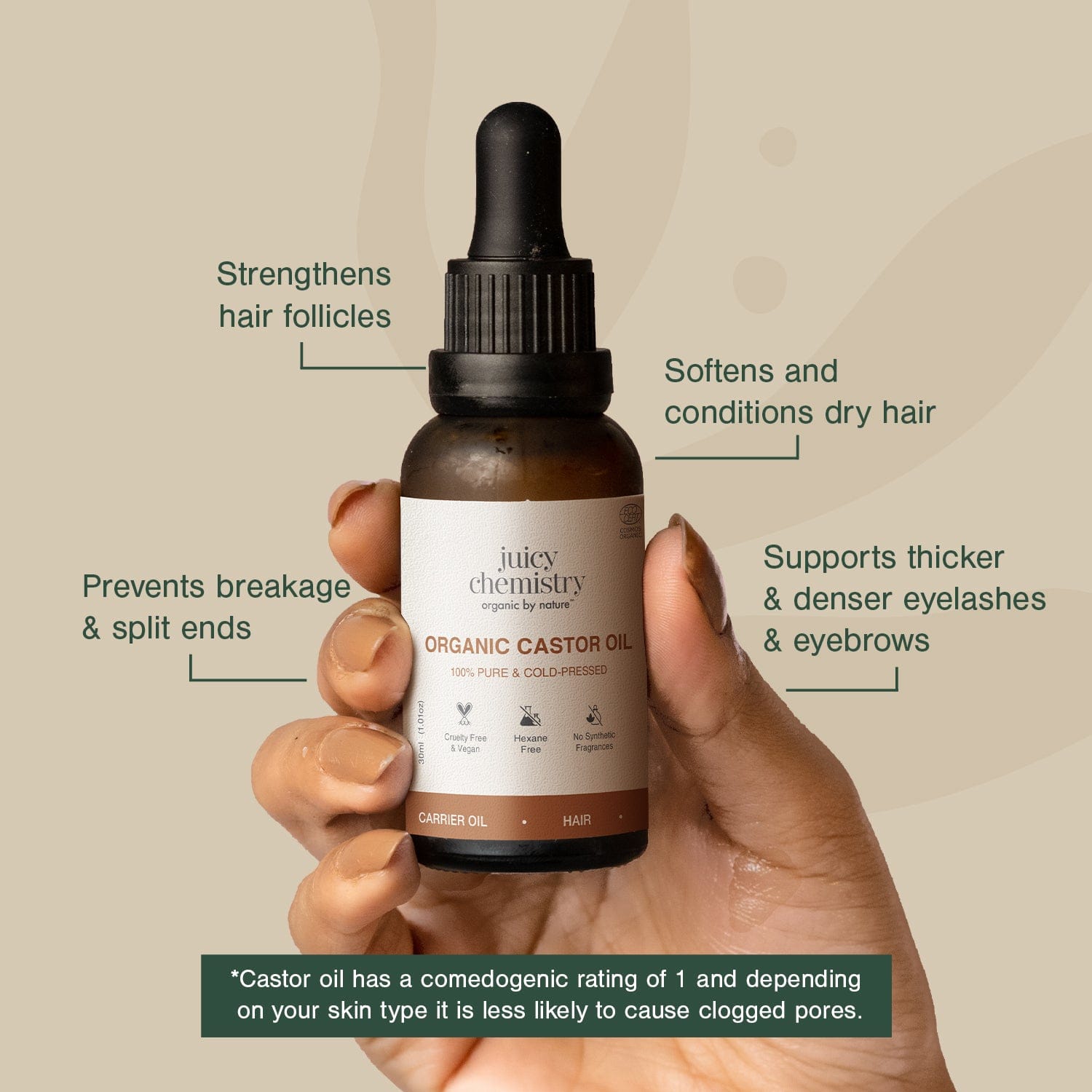
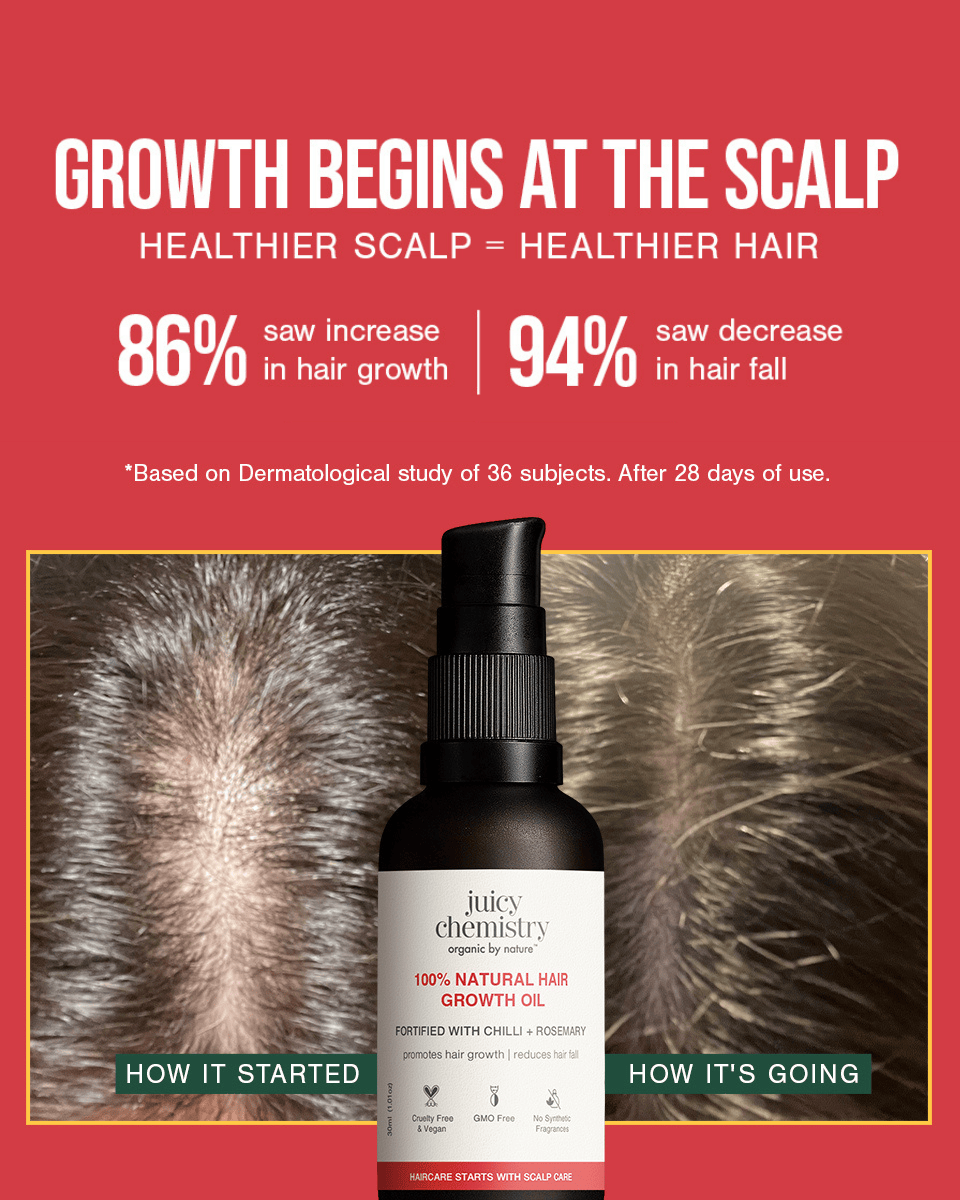
Not automatically. Hair oil can be useful as a pre-wash treatment for some people, but if your scalp becomes greasy quickly, large amounts of oil can make cleansing more difficult. JC's existing hair growth serum vs oil guide explains why scalp serum and pre-wash oil have different roles.
The two-zone routine
Think scalp first, lengths second. Cleanse the scalp according to its needs, condition the lengths, use leave-in care if needed and protect the hair from unnecessary heat and friction. JC's hair care library can then guide readers into more specialised content.
Recommended internal links
hair growth serum vs oil guide | JC hair care library | frizz in humid weather article
FAQs
Q: Why is my scalp oily but my ends dry?
A: The scalp produces sebum, while the lengths do not. This creates two different care needs.
Q: Should I wash oily hair every day?
A: There is no universal schedule. Wash according to scalp comfort, oiliness, sweat and buildup.
Q: Should conditioner go on the scalp?
A: For most routines, conditioner is best focused on the mid-lengths and ends unless the product is specifically designed for scalp use.
Q: Can oiling make an oily scalp worse?
A: Heavy or frequent oiling can make some oily scalps feel greasier or harder to cleanse. Use the amount and frequency your scalp tolerates.