What Is a Carrier Oil? Types, Uses, and How to Choose the Right One
April 16, 2026Have you ever picked up a bottle of essential oil and wondered if you could just apply it straight to your skin? Here's the thing: you really shouldn't. That's where carrier oils come in, and they're about to become your new best friend in natural skincare and haircare.
Think of carrier oils as the gentle companion that makes essential oils safe and effective. But here's what most people don't realise: these plant-based oils aren't just diluents. They bring their own beautiful benefits to your skin and hair, from nourishing vitamins to skin-loving fatty acids.
What Exactly Is a Carrier Oil?
Let's start simple. A carrier oil is a vegetable-based oil extracted from the fatty parts of plants, usually nuts, seeds, or kernels. The carrier oil's meaning comes from what it does: it "carries" those concentrated essential oils safely to your skin.
Unlike essential oils that evaporate quickly, carrier oils stick around. They're rich in fatty acids, vitamins, and antioxidants that can genuinely nourish your skin and hair. When you understand carrier oils properly, you realise they're doing double duty: protecting you from irritation whilst delivering their own goodness.
Why Can't You Just Skip the Carrier Oil?
You might be thinking, "Do I really need this extra step?" Short answer: yes. Here's why.
Essential oils are incredibly concentrated. Applying them directly can lead to redness, burning, or sensitivity. Not fun. Carrier oils dilute these potent extracts to safe levels while keeping all the good stuff intact.
But there's more. Carrier oils actually help essential oils penetrate your skin better. Their fatty composition works with your skin's natural barrier, supporting deeper delivery of those therapeutic compounds. Plus, because carrier oils don't evaporate like essential oils, they keep everything on your skin longer, giving more time for absorption.
Interestingly, research shows that carrier oils can reduce potential irritation from essential oil compounds while maintaining their beneficial effects. Win-win.
What Are the Different Types of Carrier Oils?
This is where it gets exciting. Different carrier oil types suit different needs. Let's break it down by what you're trying to achieve.
Carrier Oil for Face: The Lightweight Favourites
For your face, you want oils that absorb quickly without leaving you looking like you've dipped your head in a frying pan.
- Jojoba oil is brilliant because it mimics your skin's natural oils. Whether your skin is dry, oily, or somewhere in between, jojoba can help balance things out. It's technically a liquid wax, which means it won't clog your pores.
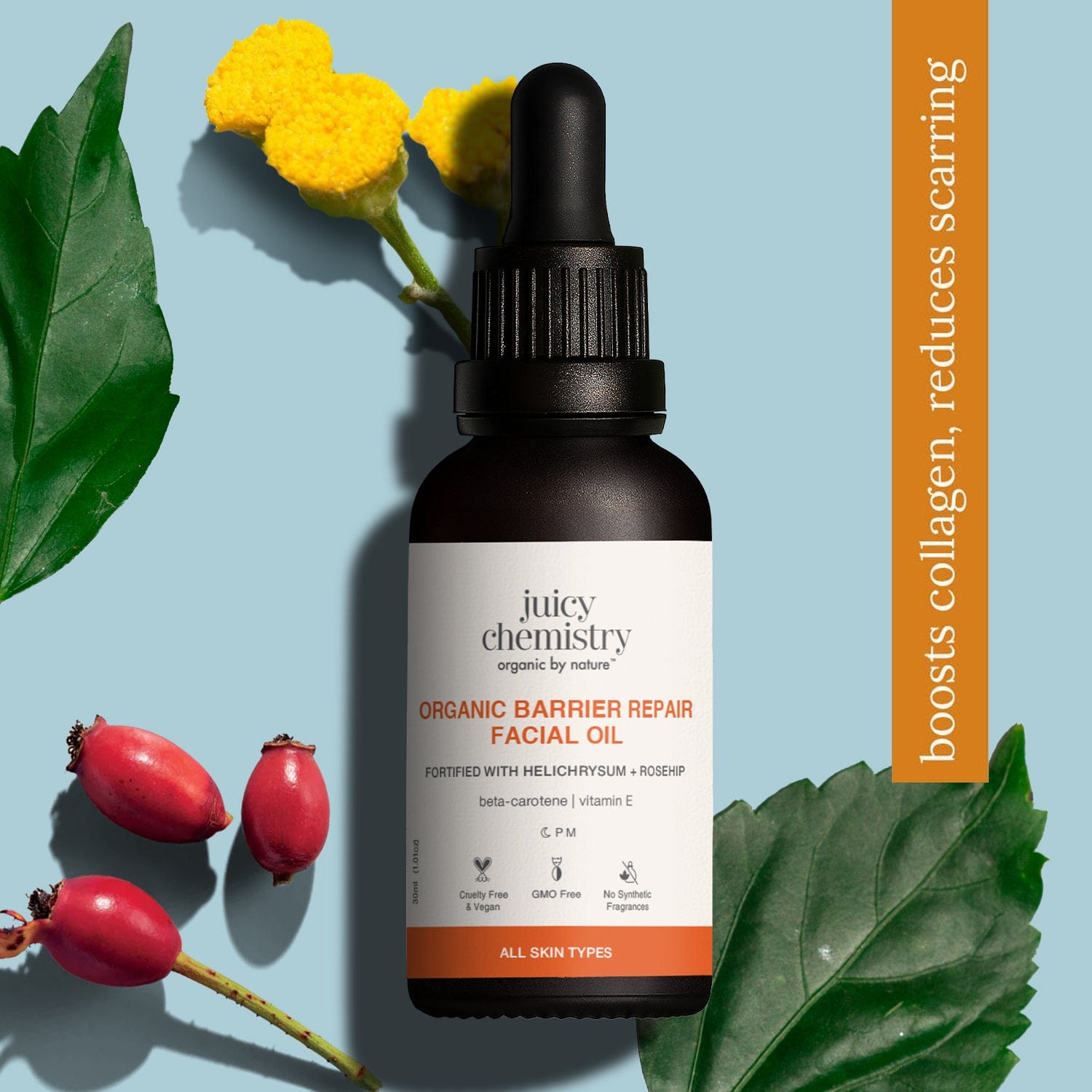
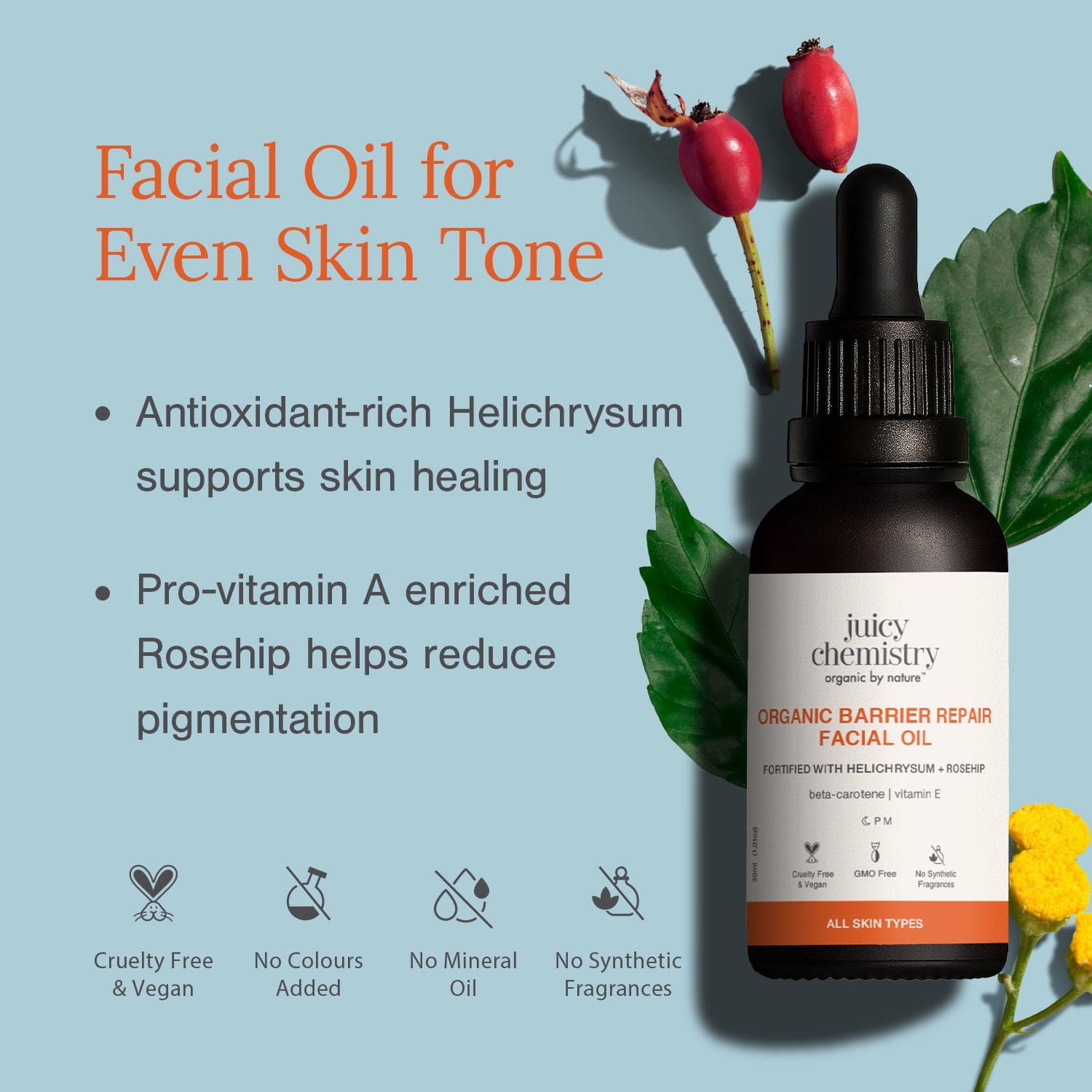
- Rosehip oil is packed with vitamins that may support skin regeneration. It's light enough to layer under your moisturiser without feeling heavy.
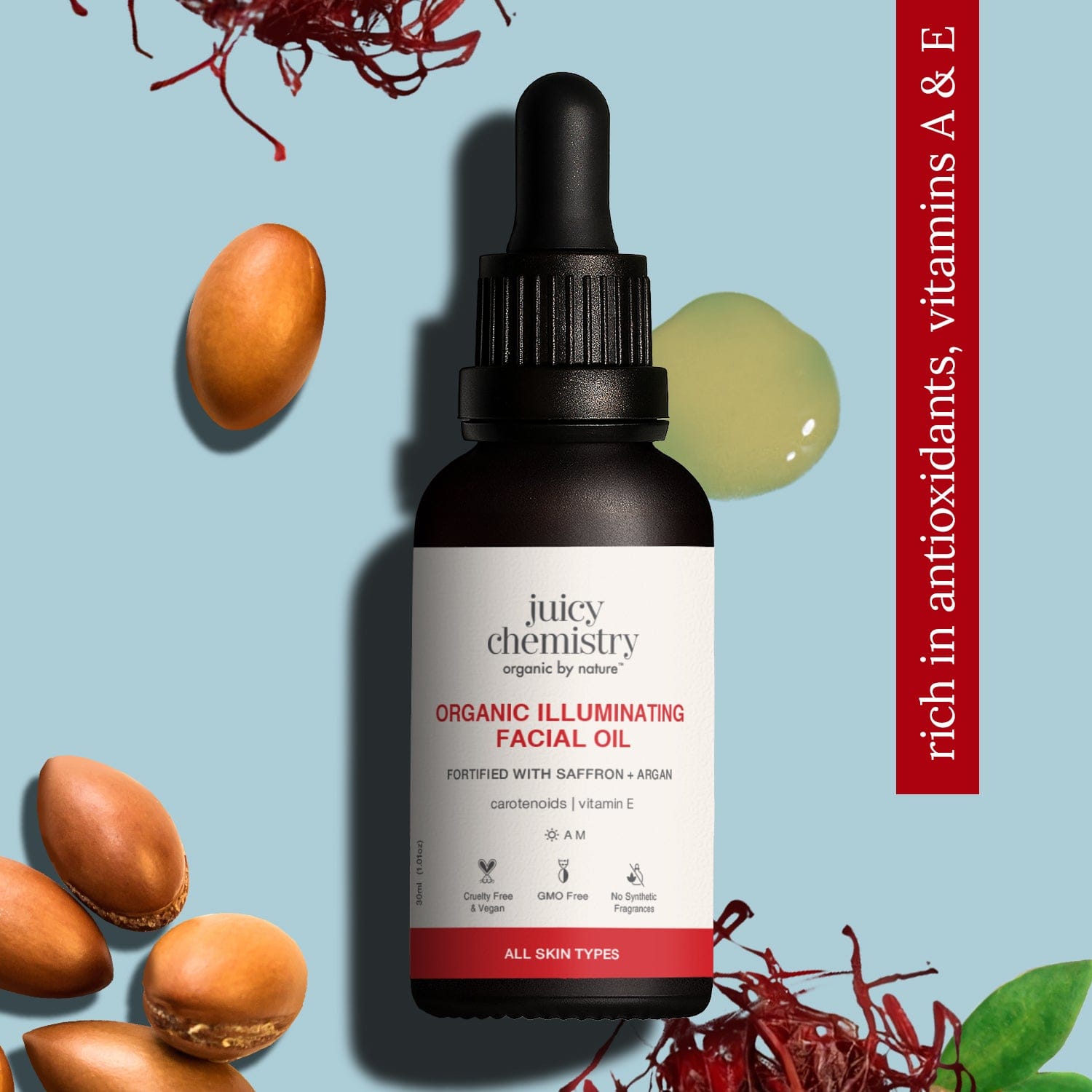
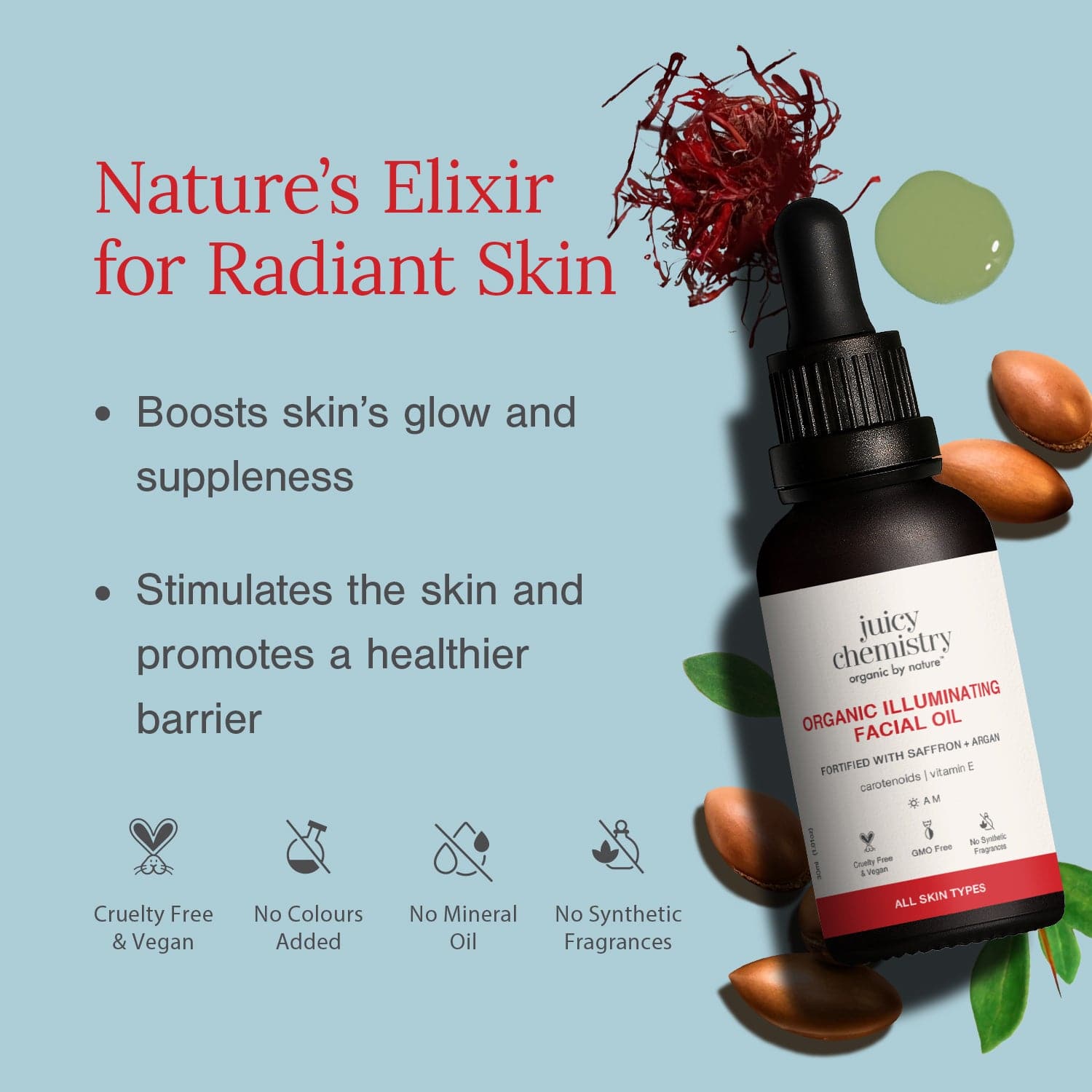
- Argan oil gives you nourishment without the grease. Rich in vitamin E and essential fatty acids, it can help keep skin looking supple.
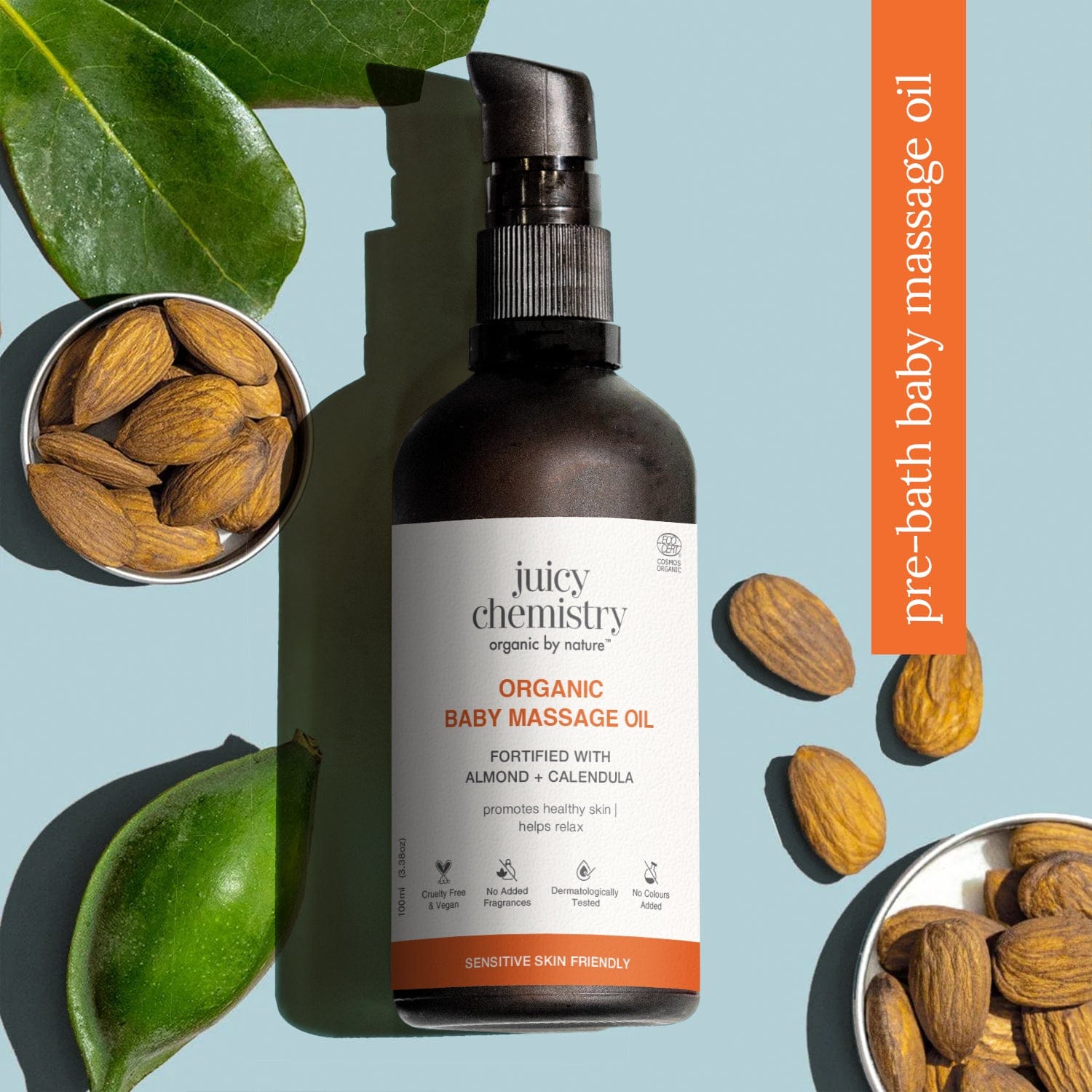
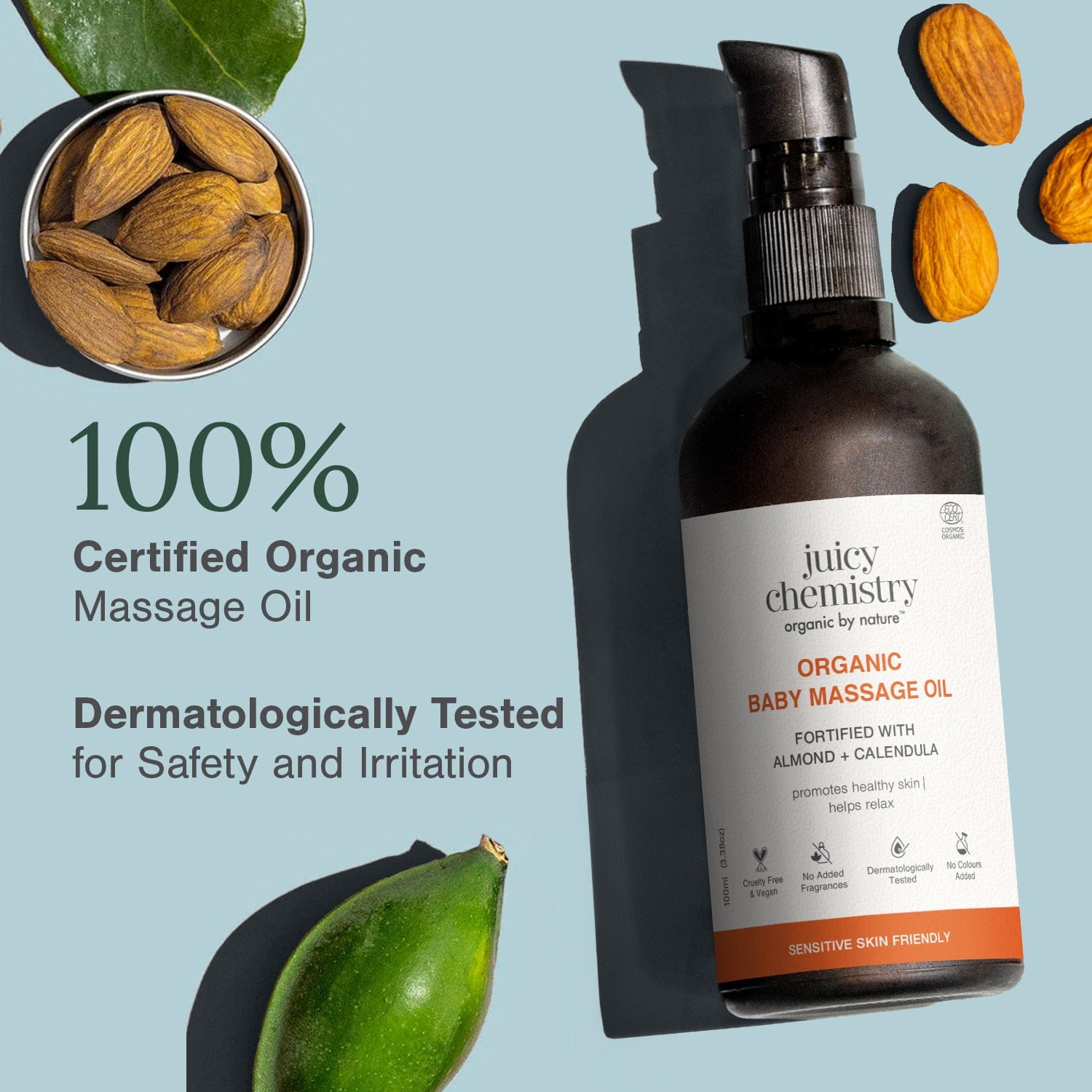
If you're curious about certified organic options, the Juicy Chemistry carrier oil collection offers cold-pressed, ECOCERT-certified choices.
How to Use Carrier Oil: Your Simple Dilution Guide
Alright, let's get practical. How do you actually use these oils?
The basic rule: less essential oil, more carrier oil. The exact ratio depends on where you're applying it.
For your face: Mix about one or two drops of essential oil per teaspoon of carrier oil. Keep it gentle.
For your body: You can go slightly stronger, around two to three drops per teaspoon of carrier oil.
For children or sensitive skin: Even lighter. Think one drop per two teaspoons of carrier oil.
Here's your step-by-step process:
First, figure out what you're trying to achieve. Dry skin? Hair nourishment? Relaxing massage?
Second, match your carrier oil to your skin type:
- Oily or acne-prone? Try jojoba or grapeseed
- Dry or mature? Avocado, argan, or almond work beautifully
- Sensitive? Apricot kernel or rosehip are gentle options
Third, do a patch test. Dab a little oil on your inner forearm and wait a day to see how your skin responds.
Fourth, mix your oils in a dark glass bottle. Keep it away from heat and light.
Fifth, apply and enjoy. Whether it's facial care, body moisturising, or scalp massage, you're good to go.
Studies have found that certain carrier oils can actually enhance how active compounds penetrate while reducing potential irritation.
What's the Difference Between Carrier Oil and Essential Oil?
Let's clear up the confusion. These two are totally different.
- Essential oils are super-concentrated aromatic extracts. They evaporate quickly, pack a powerful scent, and need to be used in tiny amounts. Think drops.
- Carrier oils are fatty plant oils. They don't evaporate, they're used in larger amounts (like teaspoons or tablespoons), and they're generally safe to apply directly.
The magic happens when you combine them. Essential oils bring the therapeutic punch and lovely aroma. Carrier oils make sure everything stays safe whilst adding their own skin-loving benefits.
How to Pick the Right Carrier Oil for You
Choosing your carrier oil is actually quite intuitive once you know what to look for.
- For everyday facial care, go lightweight and non-comedogenic. Jojoba is universally loved. Want to dive deeper into why jojoba is so special? This guide covers everything.
- For anti-aging support, look for oils rich in vitamins. Rosehip brings vitamin A and C, while argan delivers vitamin E and fatty acids that may help with skin elasticity.
- For hair and scalp health, coconut and argan oils can help protect hair, while castor oil supports scalp moisture.
- For a massage, you want a good slip. Sweet almond and grapeseed glide beautifully while nourishing skin.
- Always choose cold-pressed when possible. This preserves all those beneficial vitamins and compounds. Heat processing can strip away the good stuff.
-
Storage matters too. Keep your oils in cool, dark places. Some delicate oils might need refrigeration to stay fresh. Most carrier oils last several months when stored properly, though jojoba can last years.


Your Carrier Oil Journey Starts Now
Understanding what a carrier oil is transforms how you approach natural wellness. These aren't just diluters; they're nutrient-rich plant oils that protect your skin while delivering their own benefits.
Whether you're creating a custom facial blend, supporting your hair journey, or enjoying aromatherapy, the right carrier oil makes everything better. Start with versatile favourites like jojoba or sweet almond, then explore from there based on how your skin and hair respond.
Quality matters. Look for cold-pressed, organic options that preserve those natural vitamins and fatty acids. If you're seeking certified organic carriers with complete transparency, Juicy Chemistry offers ECOCERT/COSMOS-certified oils that meet the highest global purity standards.
Your skin deserves ingredients that are both safe and genuinely effective. Now you've got the knowledge to make those choices with confidence.
FAQs
Can I use carrier oils without essential oils?
Absolutely. Carrier oils work beautifully on their own as moisturisers, hair treatments, or massage oils. They contain beneficial fatty acids and vitamins that nourish independently.
How long do carrier oils last after opening?
Most carrier oils stay fresh for several months when stored properly. Jojoba can last years, while some delicate oils might need refrigeration and should be used within six months.
Are carrier oils safe for sensitive skin?
Many can be suitable, especially lighter options like jojoba, apricot kernel, or rosehip. Always patch test first and choose cold-pressed, organic varieties.
Can I use cooking oils as carrier oils?
While some overlap, cosmetic-grade carrier oils are processed specifically for skin safety. Cooking oils may contain additives that make them less ideal for skincare.
What's the best carrier oil for hair growth?
No carrier oil guarantees growth, but castor, coconut, and argan may support scalp health and reduce breakage. Look for formulations combining carriers with botanicals like rosemary.