Oily Skin Control Guide: Balance Oil Production Without Over-Drying
February 11, 2026You have done everything right. Cleansed twice, skipped the moisturiser, layered mattifying primers, and still, by noon, your face looks like it could fry an egg. Sound familiar? If you have been battling excess oil for a while, the real problem might not be your skin. It might be how you are treating it.
Oily skin care is not about stripping your face dry. It is about working with your skin's natural rhythm to control excess oil, support the skin barrier, and keep things balanced all day. This guide breaks down the science behind sebum production, walks you through smarter routines, and helps you find the best products for oily skin without the over-drying trap.
Why Does Your Skin Overproduce Oil in the First Place?
Here is the nerdy bit. Your sebaceous glands produce sebum, a waxy, lipid-rich substance that keeps your skin moisturised and protected. According to a review published in the Journal of Clinical and Aesthetic Dermatology, sebum production is influenced by androgens (particularly DHT), genetics, humidity, and even seasonal shifts. During spring and summer, for instance, higher humidity and temperatures can ramp up oil output, leaving your skin feeling slick well before lunch.
But sebum is not the enemy. It supports your skin barrier, helps with innate immunity, and may even slow down visible signs of ageing. The goal of any effective oily skin treatment is not to eliminate oil but to regulate it. And that starts with understanding what is triggering the excess.
Is Your Cleanser Secretly Working Against You?
This is where most routines go sideways. If your cleanser leaves your skin feeling "squeaky clean," that tightness is actually your skin barrier crying out. Harsh, alcohol-based, or sulfate-heavy cleansers strip away too much sebum, and your skin compensates by producing even more oil. Dermatologists call this the rebound effect, and it is one of the most common mistakes in skincare for oily skin.
What you want instead is a gentle cleanser that removes surface oil and buildup without disrupting your moisture barrier. Enzyme-based cleansers can be particularly smart here. They use natural fruit enzymes to break down dead skin cells and unclog pores without the abrasiveness of physical scrubs. Juicy Chemistry's Certified Organic Brightening Enzyme Cleanser, for example, uses papaya and pineapple enzymes alongside Pentavitin® for hydration. It is the kind of formula that cleans thoroughly but does not leave your skin scrambling to replace lost moisture.
Which Ingredients Can Actually Help Control Excess Oil?
If you are a label reader (and you should be), here are the actives that research backs for managing oily skin:
- Niacinamide (Vitamin B3): A standout. A double-blind, placebo-controlled study found that topical 2% niacinamide significantly lowered sebum excretion rates after just two to four weeks of consistent use. It may also help minimise the appearance of pores and calm redness, making it one of the most versatile actives for oily skin care.
- Salicylic Acid (BHA): Oil-soluble, so it can work inside the pore to dissolve the mix of sebum and dead cells that leads to congestion. It is particularly helpful for skin that is both oily and prone to breakouts.
- Zinc PCA: A lesser-known but effective sebum regulator. It may help balance oil production while soothing inflammation.
For a targeted oily skin treatment, layering a niacinamide serum in the morning and a BHA serum at night can make a real difference. Juicy Chemistry's 10% Niacinamide + 2% Ectoin Face Serum pairs niacinamide with Ectoin, a biotech-derived molecule that may help shield skin from environmental stressors like pollution and blue light.
For evening use, their 2% BHA + Zinc PCA Face Serum combines salicylic acid with zinc PCA and willow bark extract for gentle yet effective pore-clearing. Both are dermatologically tested and ECOCERT COSMOS certified.
Can Oily Skin Actually Be Dehydrated?
Short answer: absolutely. And this is the trap that catches most people. When your skin is dehydrated (lacking water, not oil), it may ramp up sebum production to compensate for the moisture deficit. Skipping moisturiser because your skin "already has enough oil" can actually make the problem worse.
The fix is choosing lightweight, non-comedogenic, water-based or gel-based moisturisers that hydrate without adding heaviness. Look for ingredients like hyaluronic acid and glycerine, which attract water to the skin without clogging pores. Your skincare for oily skin should always include a hydrating step, even if every instinct tells you to skip it.
Does Sunscreen Really Work for Oily Skin?
One of the biggest myths in skincare for oily skin is that sunscreen makes things greasy. The truth is, skipping SPF can lead to sun damage that disrupts your skin barrier and may increase oil production over time. The American Academy of Dermatology recommends mineral sunscreens containing zinc oxide or titanium dioxide for oily and acne-prone skin, as they sit on the surface and tend to be less likely to clog pores.
Juicy Chemistry's Moisturising Mineral Sunscreen SPF 40 PA++++ uses COSMOS-approved, non-nano titanium dioxide in a lightweight formula that absorbs without leaving a white cast. It is suitable for all skin types, including sensitive and oily skin, and is safe for children aged 2+ and during pregnancy. Think of it as the last, non-negotiable step in your morning oily skin care routine.
What Lifestyle Shifts Can Support Oil Balance?
Products matter, but so does everything happening off your vanity. Research suggests that high-glycaemic diets (think refined sugar, white bread, processed snacks) may contribute to increased sebum production. Similarly, elevated cortisol from chronic stress can stimulate your sebaceous glands.
A few simple shifts that can support your oily skin treatment from the inside out: stay hydrated with two to three litres of water daily, swap pillowcases frequently, and pay attention to how seasonal transitions affect your skin. A routine that works beautifully in winter may need tweaking come spring, when humidity rises, and your skin starts producing more oil. Think of your skincare like your wardrobe: it should change with the season.


What Habits Could Be Making Your Oily Skin Worse?
A quick checklist of habits that may be doing more harm than good: over-washing (more than twice daily), using harsh scrubs or alcohol-based toners, touching your face throughout the day, and sleeping in makeup. These can all compromise your skin barrier and trigger that rebound oiliness we talked about earlier.
Instead, reach for oil-free, non-comedogenic formulas, use blotting papers to absorb midday shine (press, do not rub), and keep your routine simple. When it comes to the best products for oily skin, fewer products with better ingredients and consistency tend to outperform complicated 12-step regimens. Your skin does not need to be punished for being oily. It just needs a little understanding.
Frequently Asked Questions
How often should I wash my face if I have oily skin?
Twice daily is ideal, plus after heavy sweating. Over-cleansing can strip your skin barrier and trigger more oil production. Use a gentle, enzyme-based, or gel cleanser to keep things balanced.
Can oily skin benefit from face oils?
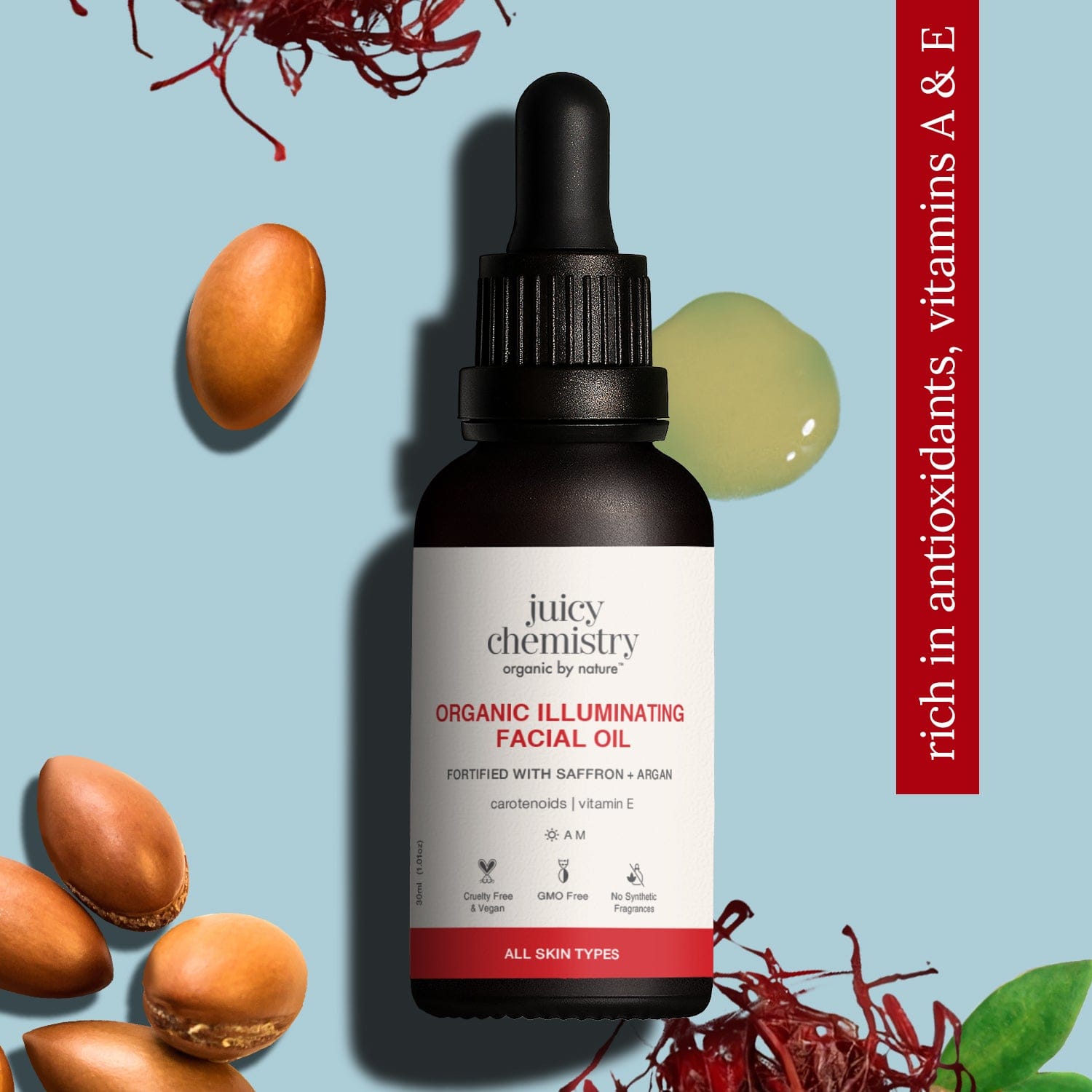
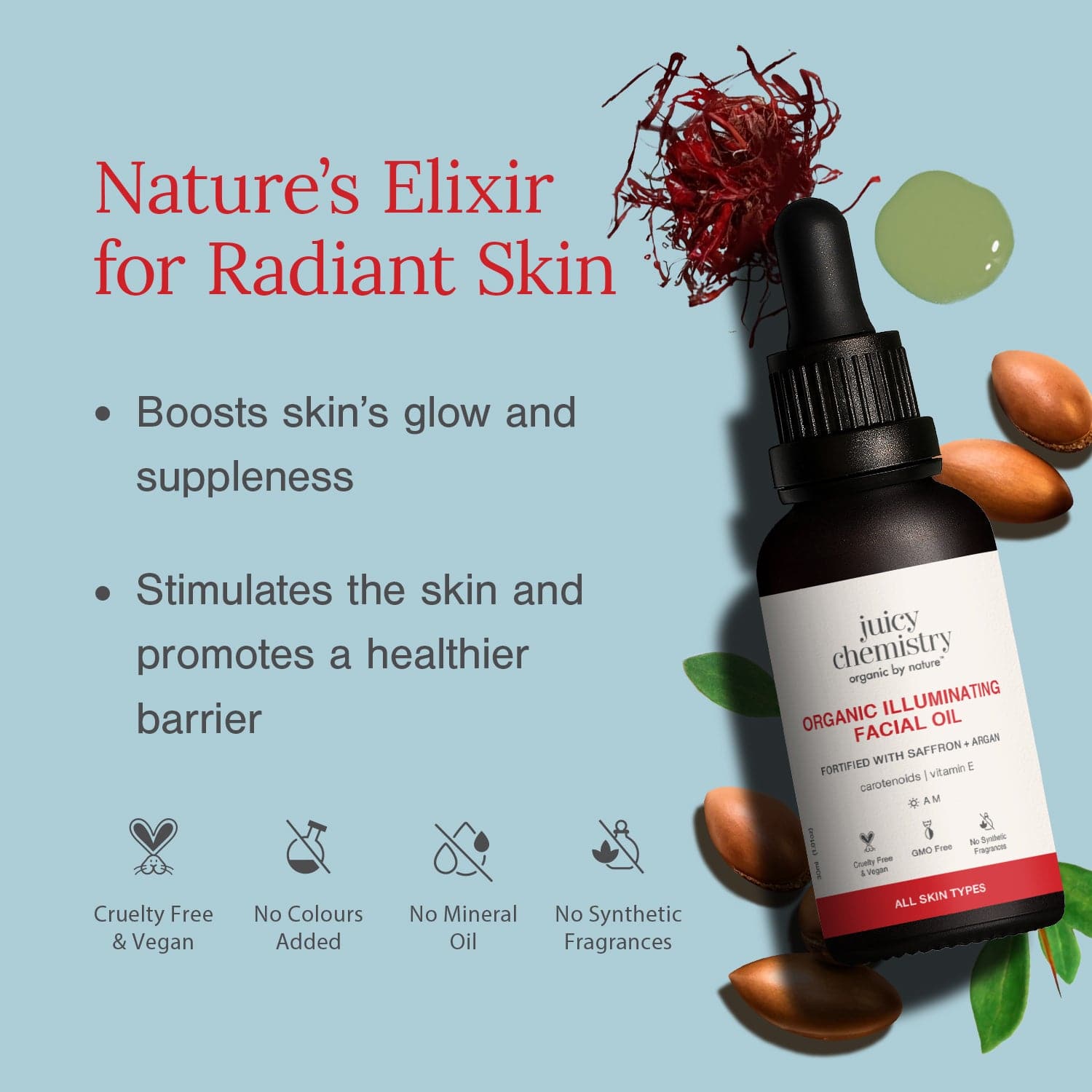
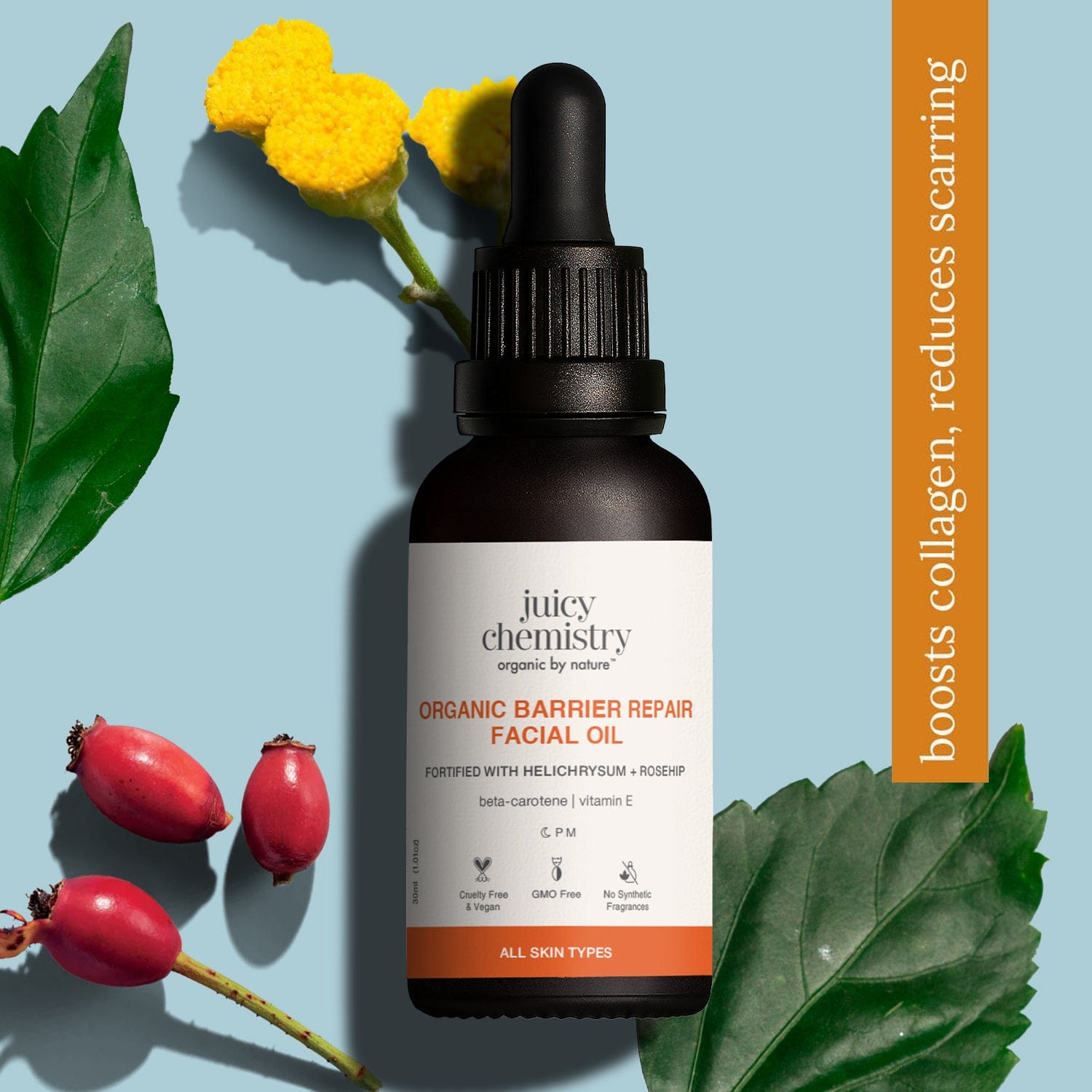
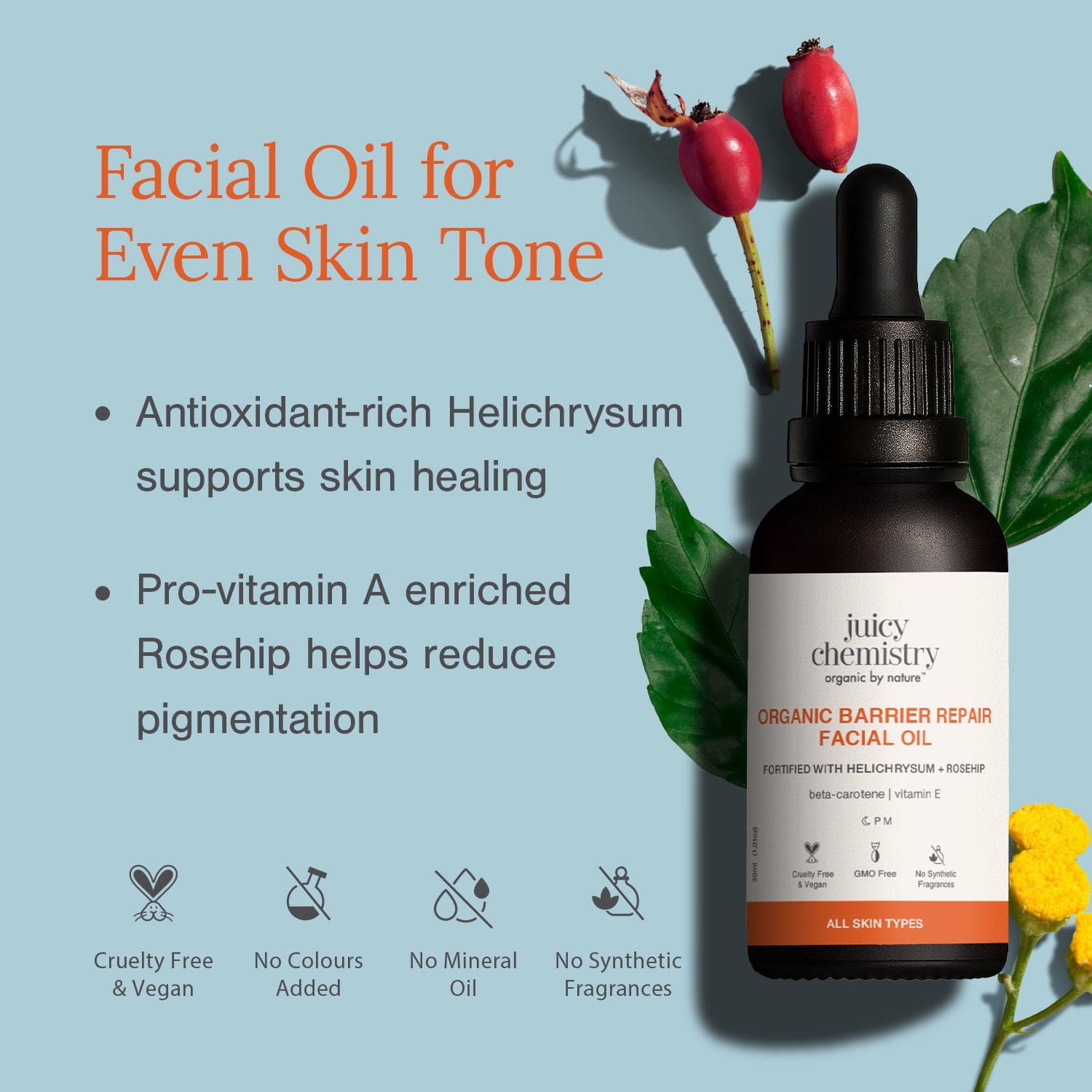
It depends on the formulation. Lightweight, non-comedogenic oils may help balance sebum in some cases, but heavier oils can clog pores. Starting with oil-free serums and moisturisers is generally a safer bet.
How long does it take for niacinamide to reduce oiliness?
Research suggests that topical niacinamide may show a visible reduction in sebum within two to four weeks of consistent daily use. Patience and regularity are key.
Is mineral sunscreen better for oily skin than chemical sunscreen?
Mineral sunscreens with zinc oxide or titanium dioxide tend to be gentler and less likely to clog pores, making them a popular choice for oily and sensitive skin types.
Can diet really affect how oily my skin is?
High-glycaemic foods and dairy may contribute to increased sebum production. A balanced diet with plenty of water can support overall skin health alongside your skincare for oily skin routine.