Aloe Vera Gel DIY Uses: 7 Ways to Use Aloe for Skin, Hair and Body
October 24, 2026Aloe vera gel is one of those skincare staples that seems to have a place in almost every beauty routine. People use it for a lightweight layer of hydration, after-sun care, scalp routines and even as a base for homemade beauty mixtures. Its appeal is simple: it feels light and is easy to fit into everyday care.
Still, aloe vera is not a cure-all. A gel’s texture, ingredients and quality matter, and some people can experience irritation or allergy. Choose a product that suits your skin rather than assuming every aloe gel will work the same way.
7 Practical Ways to Use Aloe Vera Gel
- As a lightweight layer of hydration: Apply a suitable aloe gel to clean skin if you enjoy its light texture. Follow with moisturiser if your skin needs more lasting hydration.
- As part of a simple morning routine: Aloe gel can sit between cleansing and moisturising, depending on the rest of your products. During the day, finish with sunscreen.
- For a refreshing body-care step: Apply a formulated gel to areas that feel dry or uncomfortable, provided the skin is intact and the product does not sting.
- After time outdoors: A gentle, suitable gel may feel cooling on intact skin. It does not treat sunburn damage or replace sunscreen, and significant blistering or severe pain needs medical attention.
- In a simple hair routine: Some people use aloe-based products on the scalp or hair lengths. Choose a formulation that rinses cleanly and discontinue it if your scalp becomes itchy or irritated.
- To support a low-fuss skincare routine: If you dislike heavy textures, a lightweight aloe gel may be an option. Very dry skin may still need a richer moisturiser.
- As an alternative to homemade mixtures: Rather than blending aloe with lemon juice, essential oils or multiple kitchen ingredients, consider a ready-made formulation with clear directions and appropriate quality controls.
Fresh Aloe Leaf vs Formulated Aloe Gel
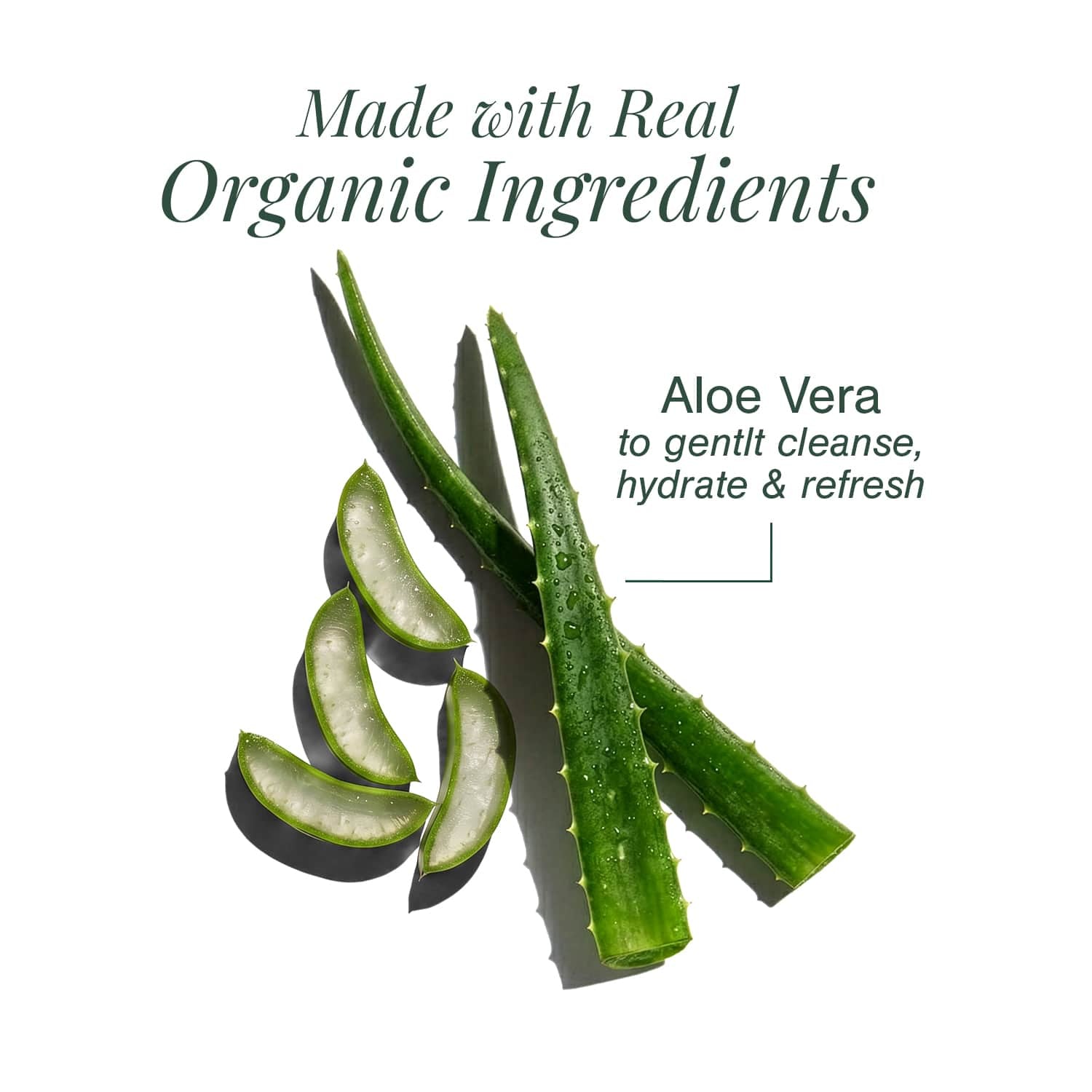
Fresh aloe leaves may seem more natural, but the leaf contains different parts, and the yellow latex near the outer layer can be irritating. Homemade mixtures also lack the preservation systems found in properly formulated products. A commercial aloe gel can be more convenient, although you should still check the full ingredient list and patch test it.
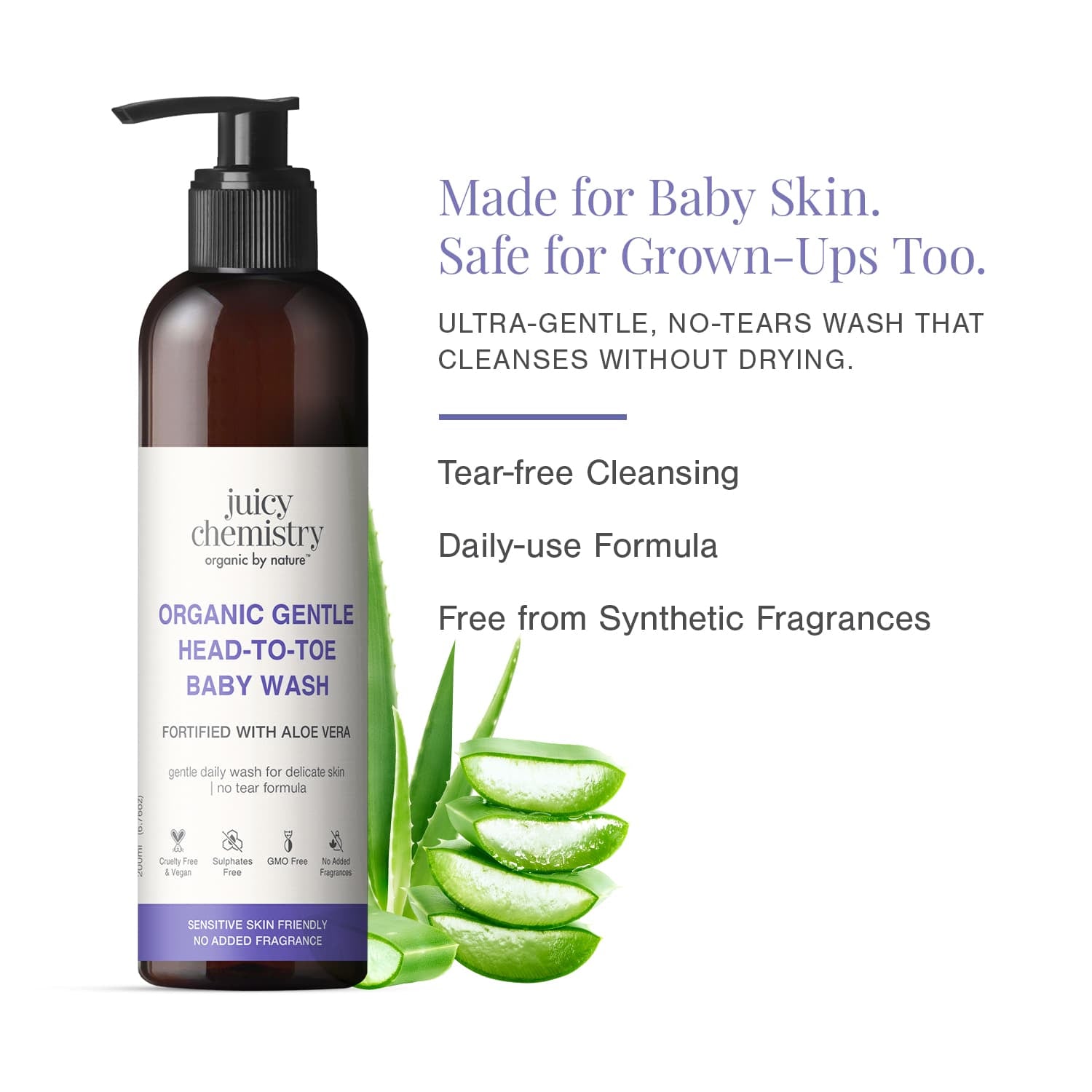
Juicy Chemistry’s aloe vera gel can be considered as part of a simple routine if it suits your skin. Keep expectations realistic: aloe gel may support hydration and comfort, but it cannot replace targeted acne or pigmentation treatment.

A formulated gel with a preservation system, which fresh leaf and homemade mixtures lack.
Shop now · ₹375Frequently Asked Questions
Can I use aloe vera gel on my face every day?
You may be able to use a suitable formulated aloe gel daily if your skin tolerates it. Stop if you experience itching, burning, redness or a rash.
Can aloe vera gel remove pimples and acne marks?
Aloe gel is not a proven standalone treatment for acne or acne marks. Persistent breakouts may need targeted ingredients or advice from a dermatologist.
Is fresh aloe vera better than packaged aloe gel?
Not necessarily. Fresh aloe can contain irritating latex and homemade preparations can be contaminated. A well-formulated product offers more consistency, but the ingredients still matter.
Can aloe vera gel help with dry skin?
Aloe gel can provide a lightweight hydrating feel, but it may not be enough on its own for dry skin. Pair it with a suitable moisturiser if you need more lasting hydration.