Traditional Indian Beauty Secrets: Modern Guide
December 25, 2025Ancient wisdom meets modern science in the world of skincare. For centuries, Indian beauty secrets rooted in Ayurveda have helped women achieve radiant skin and lustrous hair using nature's finest ingredients. Today, these traditional beauty treatments are finding new life in certified organic formulations that honor both heritage and efficacy. Let's explore how these time-tested Ayurvedic beauty tips can transform your natural Indian skincare routine.
Understanding the Philosophy Behind Indian Beauty Secrets
Ayurveda, India's 5,000-year-old healing science, views beauty as a reflection of inner health. Rather than masking concerns, traditional beauty treatments focus on nourishing skin from within using plant-based ingredients. This holistic approach considers your unique skin type, seasonal changes, and lifestyle, creating a personalized Indian skincare routine that truly works.
The beauty of these practices? They're gentle, sustainable, and backed by generations of real results. Modern research is now validating what grandmothers always knew: ingredients like turmeric, neem, and rose water offer genuine benefits without harsh chemicals.
Time-Tested Ingredients for Glowing Skin
Turmeric (Haldi): The Golden Brightener
Turmeric stands as one of India's most cherished beauty ingredients. Its natural compounds help brighten skin tone and calm irritation without stripping moisture. Traditionally applied as ubtan (a paste with besan and milk), turmeric has evolved into sophisticated formulations that harness its benefits without staining.
For a modern take on this Indian beauty secret, the Certified Organic Brightening Enzyme Cleanser combines natural fruit enzymes with rice powder for gentle daily exfoliation. This powder-to-cream formula activates with water, offering the brightening power of traditional ubtan in a convenient, ECOCERT COSMOS certified form.
Amla: Vitamin C Powerhouse
Indian gooseberry, or amla, has been used in Ayurvedic beauty tips for centuries. Rich in natural vitamin C, amla helps even skin tone and supports collagen production. While grandmothers would crush fresh amla for face packs, today's formulations deliver stable, bioavailable vitamin C
The 10% Vitamin C + EGCG Face Serum brings this heritage forward with stable 3-O-Ethyl Ascorbic Acid paired with green tea extract. Fortified with pomegranate and hyaluronic acid, it brightens skin while respecting the organic principles that make Indian beauty secrets so effective.
Sandalwood (Chandan): The Cooling Soother
Sandalwood paste has graced Indian skin rituals for millennia. Its natural cooling properties help calm heated skin, while its subtle aroma creates a spa-like experience. Mix sandalwood powder with rose water for a simple face pack that tones and refreshes.
Rose Water: Nature's Perfect Toner
Distilled from fresh rose petals, rose water serves multiple purposes in an Indian skincare routine. It balances skin's pH, tightens pores, and provides instant hydration. Spritz it after cleansing or use it to activate powder masks; this versatile ingredient works beautifully for all skin types.


Certified Organic Brightening Enzyme Cleanser Fortified with Rice + Hydrolysed Wheat Protein
View ProductTraditional Hair Care Wisdom
The Art of Hair Oiling
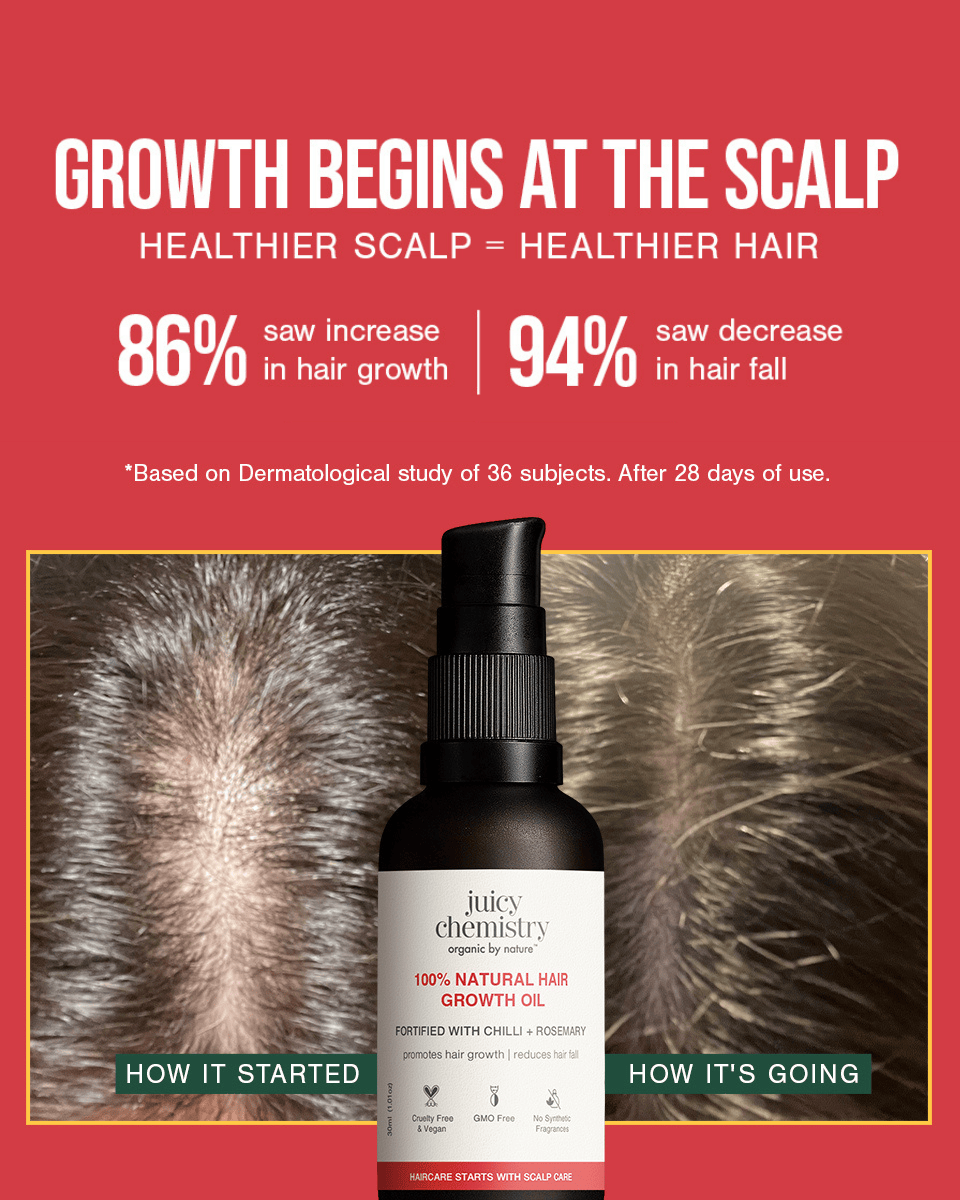
Perhaps the most beloved of all Indian hair care tips is the weekly oil massage. Warm coconut or sesame oil, enriched with herbs like amla or bhringraj, nourishes the scalp and strengthens hair from root to tip. This ancient practice, called Abhyanga, isn't just about hair; it's a moment of self-care that calms the mind.
Apply oil to your scalp using circular motions, then work it through to the ends. Leave it on for at least 30 minutes (or overnight) before washing with a gentle, sulfate-free cleanser.
Neem: Scalp Health Guardian
Neem leaves possess natural cleansing properties that help maintain scalp health. Boil neem leaves in water and use the cooled liquid as a final rinse after shampooing. This traditional remedy helps keep the scalp clean and refreshed without harsh chemicals.
Daily Rituals Worth Adopting
Morning Skincare Sequence
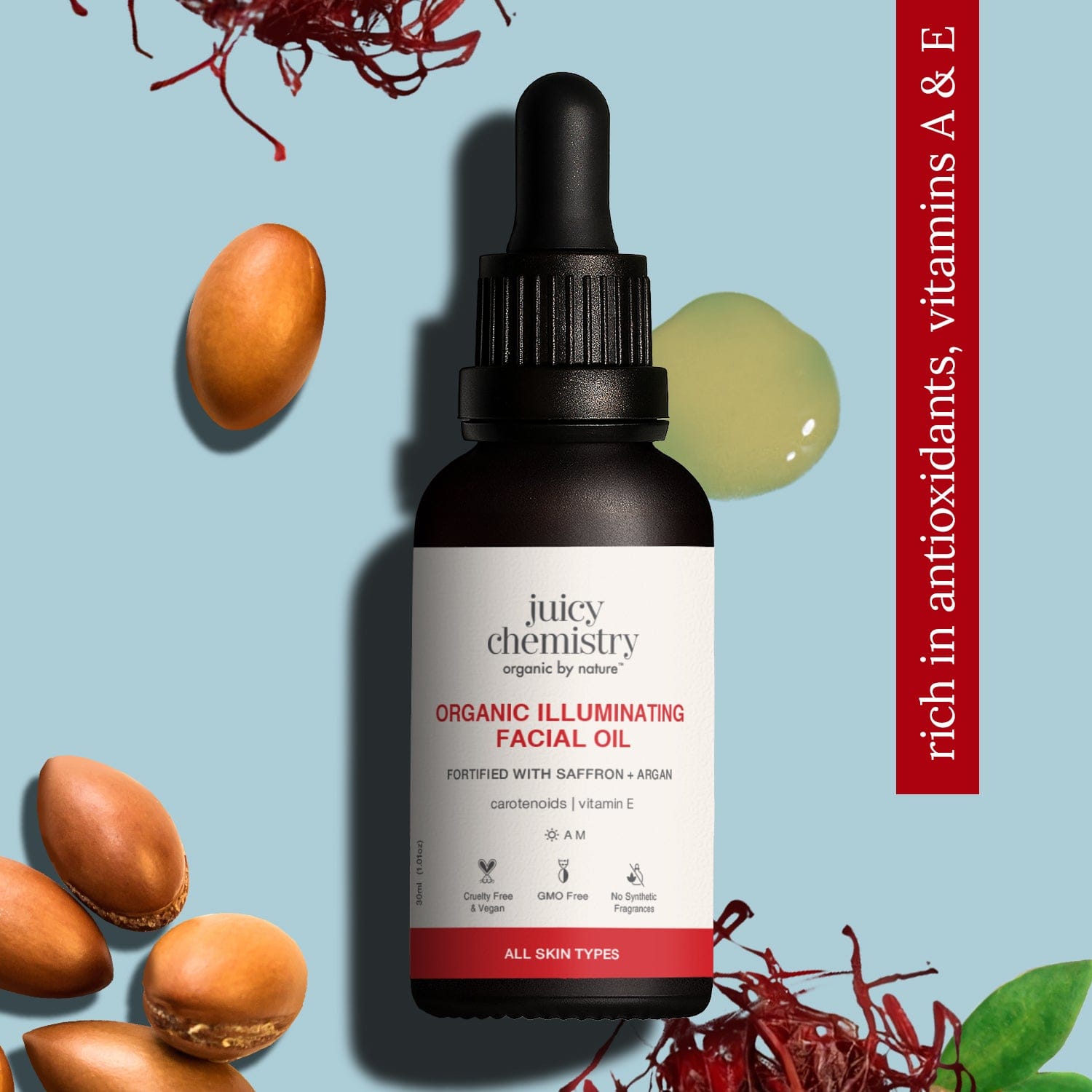
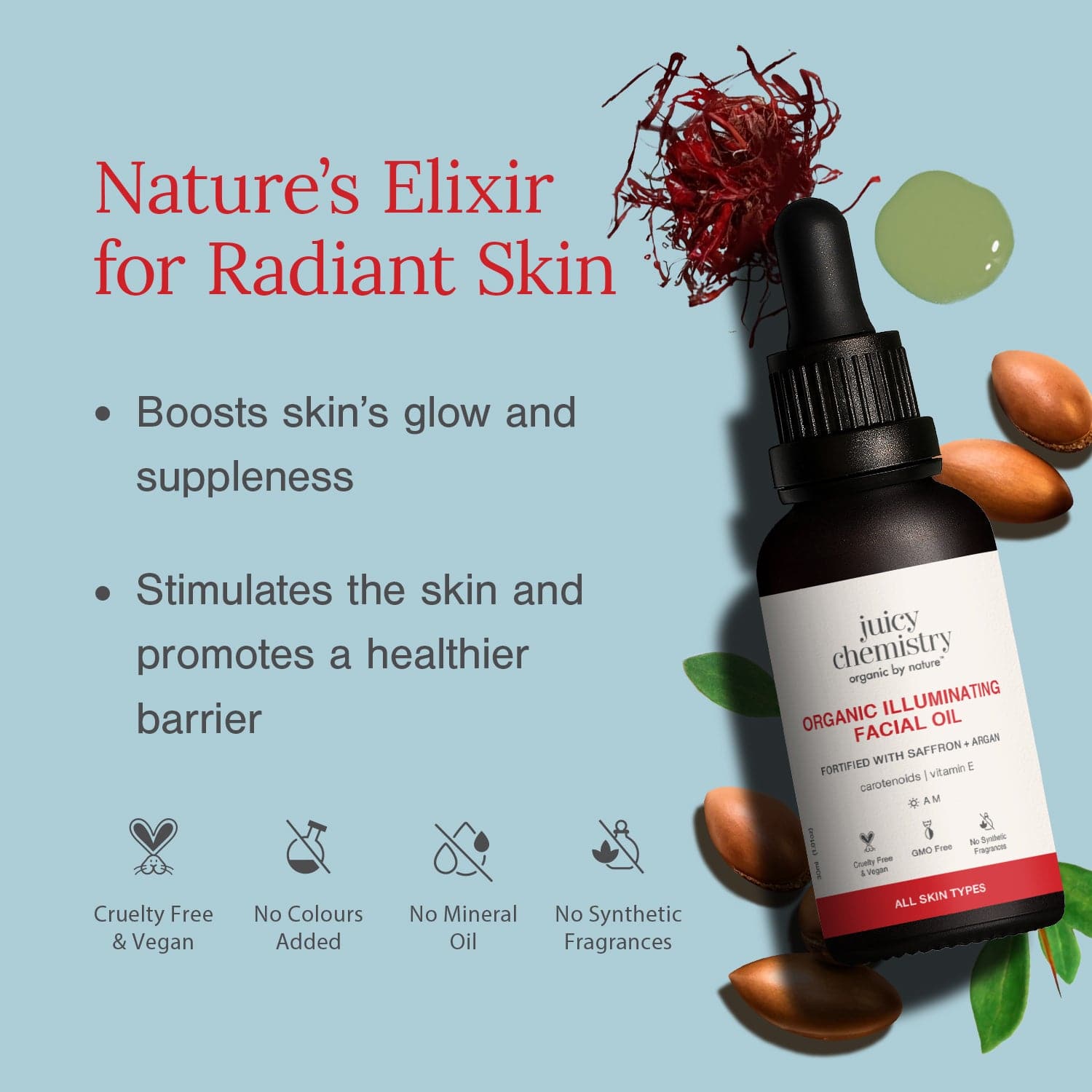
Start your day with a gentle cleanser, followed by rose water as a toner. Apply a vitamin C serum to brighten and protect, then moisturize with a light facial oil. The final step? Sunscreen, always.
While ancient Indians may not have had SPF formulations, protecting skin from sun exposure aligns perfectly with Ayurvedic principles of prevention. The Moisturising Mineral Sunscreen SPF 40 offers broad-spectrum protection using non-nano titanium dioxide, fortified with organic aloe and argan oil. This family-friendly formula leaves no white cast, just comfortable, all-day protection.
Lifestyle Elements
Indian beauty secrets extend beyond topical treatments. Drinking adequate water (2-3 liters daily), eating fresh seasonal foods, and managing stress through yoga or meditation all contribute to that coveted natural glow. Beauty, in the Ayurvedic view, cannot be separated from overall wellness.
Evening Wind-Down
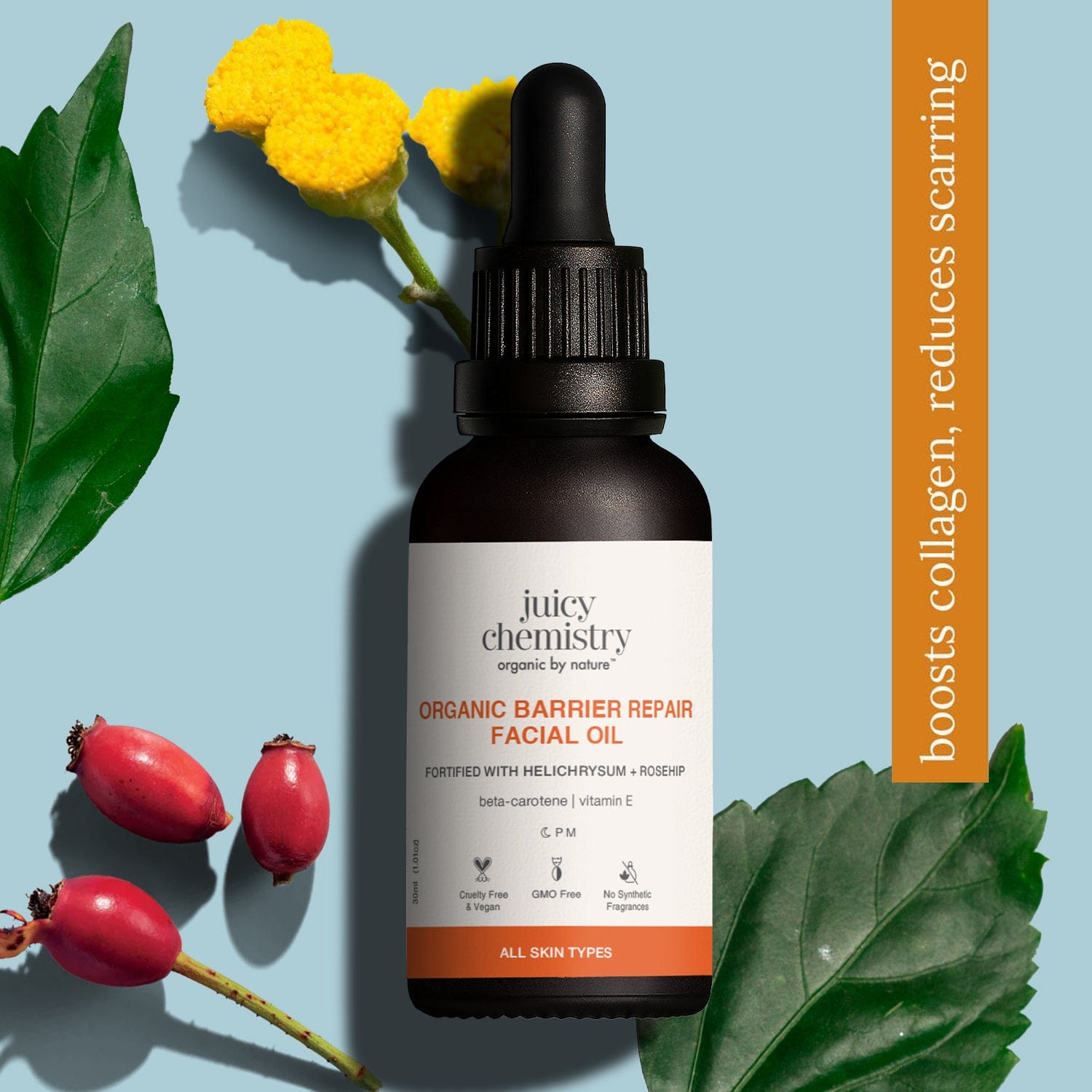
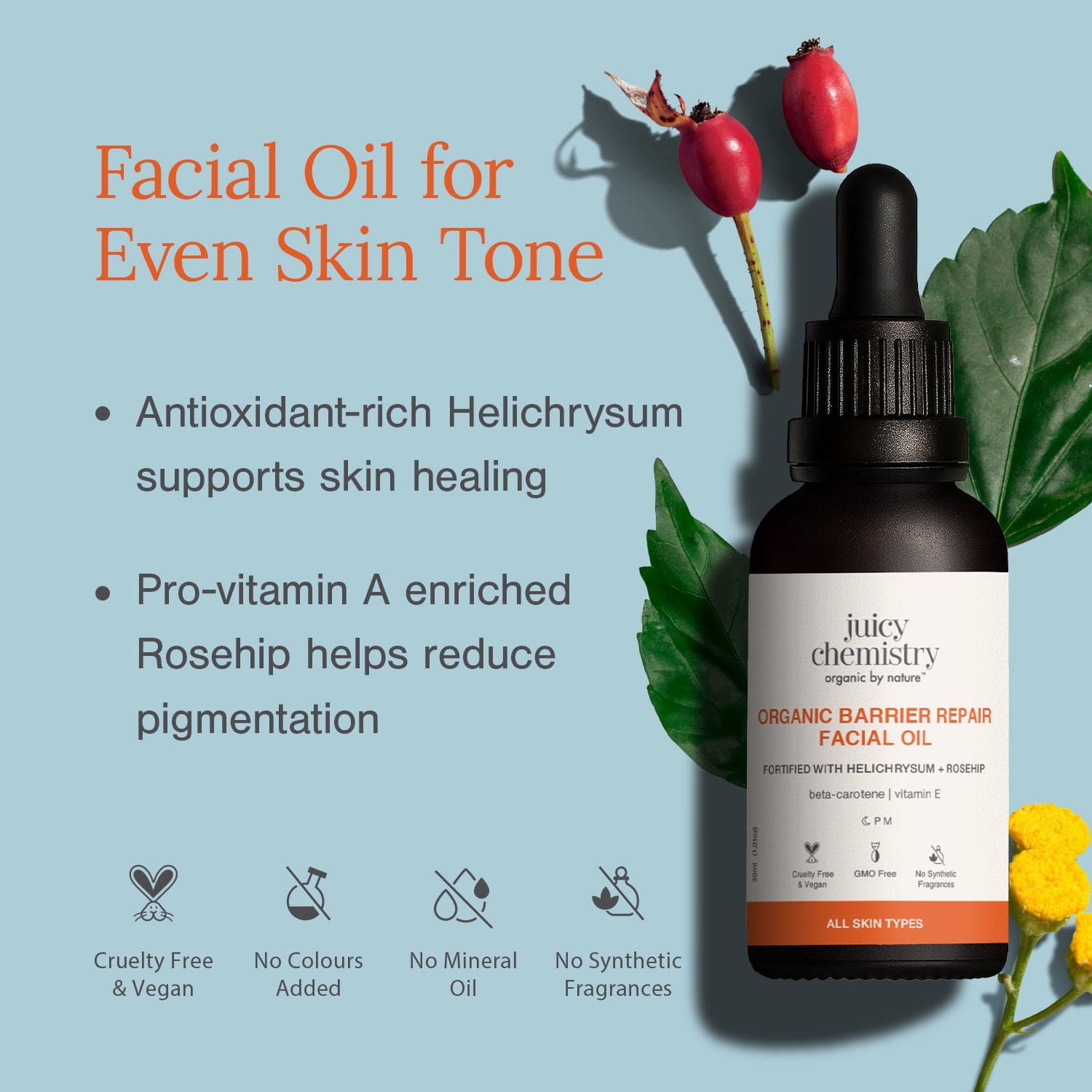
Cleanse thoroughly to remove the day's impurities. Apply a nourishing facial oil, gently massaging it into your skin using upward strokes. This simple ritual promotes circulation and helps ingredients penetrate deeply while you sleep.
Bringing Ancient Wisdom into Modern Life
The beauty of these Indian beauty secrets lies in their simplicity and accessibility. You don't need dozens of products or complicated routines. Instead, focus on a few high-quality, naturally formulated products that honor these traditional ingredients while meeting modern safety and efficacy standards.
Look for ECOCERT COSMOS certified products that prove their organic claims through third-party verification, not just marketing promises. This ensures you're getting the pure, potent ingredients that make these Ayurvedic beauty tips so effective.
Your Journey to Natural Radiance
Traditional beauty treatments offer us something precious: a slower, more intentional approach to self-care. Rather than chasing trends, these practices invite you to understand your skin, honor your body's rhythms, and trust in nature's wisdom.
Whether you're adopting hair oiling rituals, creating turmeric face packs, or simply adding rose water to your routine, each step connects you to centuries of knowledge. Combined with certified organic formulations that meet today's quality standards, these Indian skincare routine elements can help you achieve the healthy, glowing skin you deserve.
Ready to embrace these timeless rituals? Explore certified organic skincare that brings ancient Indian beauty secrets to life with modern efficacy and transparency. Your skin will thank you.
FAQs
How often should I use turmeric in my skincare routine?
Turmeric can be used 2-3 times weekly in face packs or daily in gentle cleansers. Always do a patch test first, and use certified organic formulations to avoid staining while getting the brightening benefits this golden spice offers.
Is hair oiling suitable for all hair types?
Yes, but choose your oil wisely. Coconut oil works well for normal to dry hair, while lighter oils like almond suit oily scalps. Apply primarily to the scalp and lengths, avoiding the roots if your hair gets greasy quickly.
Can I use these Indian beauty secrets if I have sensitive skin?
Absolutely. Most traditional ingredients like rose water, sandalwood, and aloe are naturally gentle. Start with certified organic, dermatologically-tested products, and always patch-test new ingredients before full application.
How long does it take to see results from Ayurvedic beauty practices?
While some benefits like hydration appear immediately, bigger changes like improved skin tone typically emerge after 4-6 weeks of consistent use. Ayurvedic beauty focuses on long-term health rather than quick fixes.
Are traditional beauty treatments as effective as modern formulations?
When combined with modern science, traditional ingredients become even more powerful. Certified organic formulations preserve the potency of these time-tested ingredients while ensuring stability, safety, and proven efficacy through clinical testing.