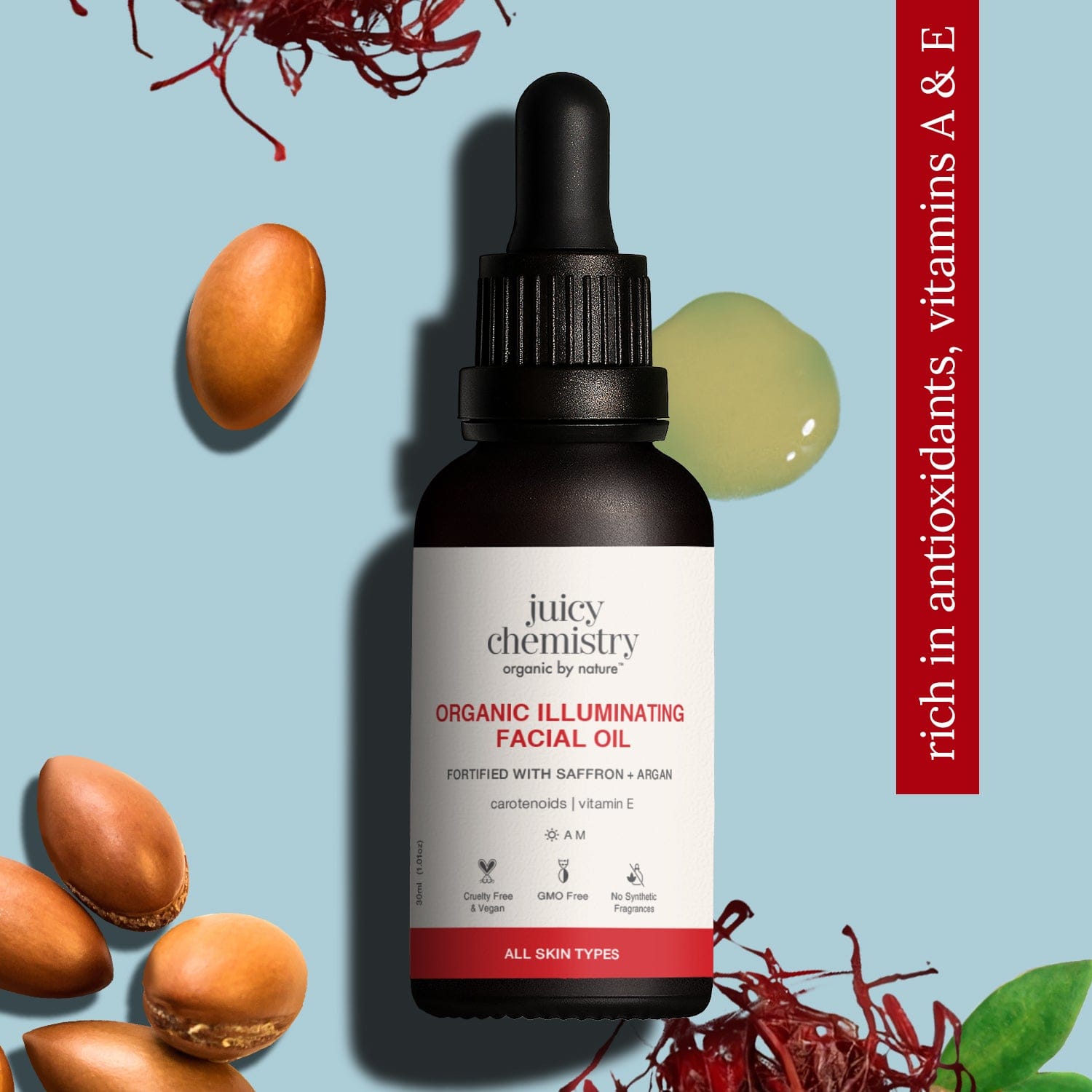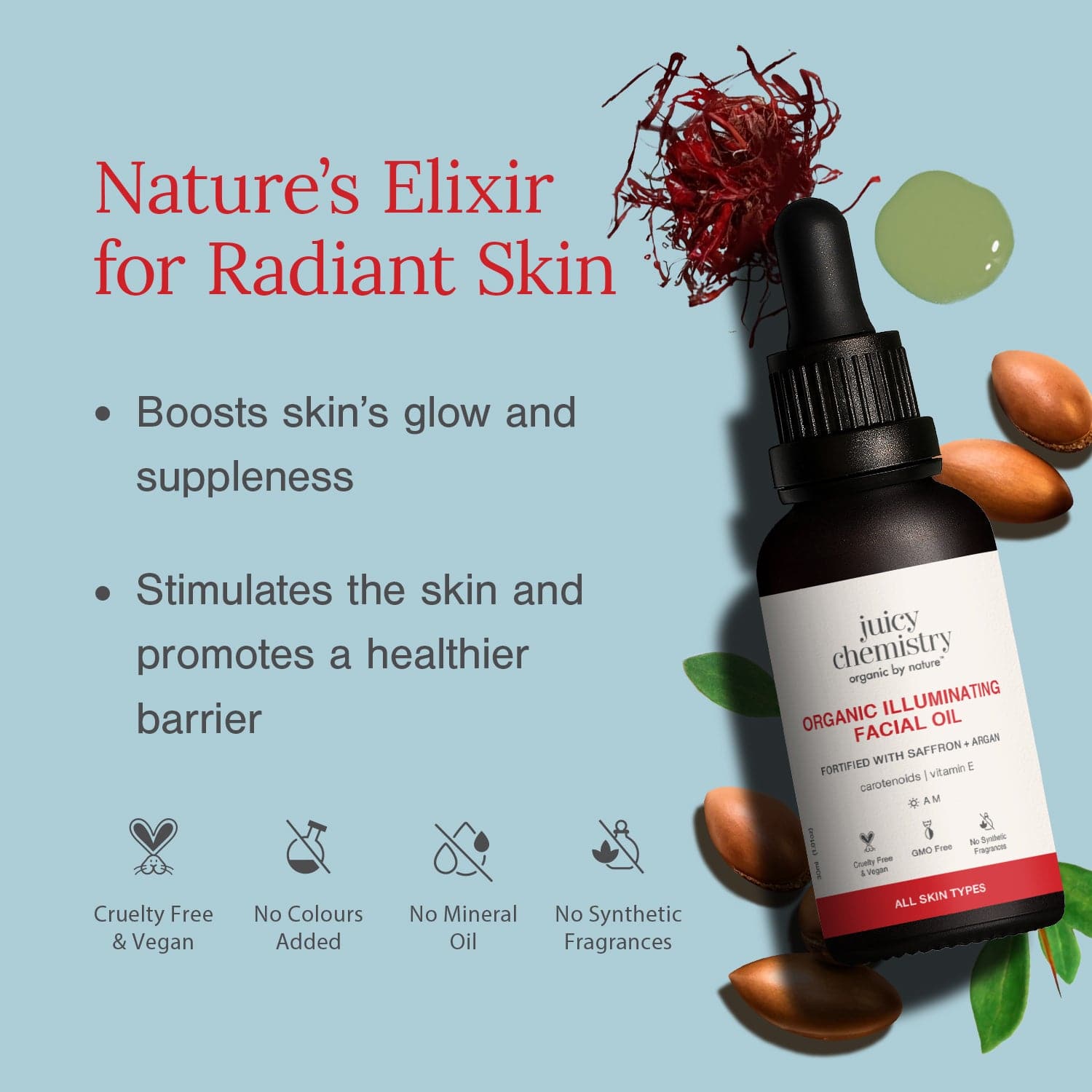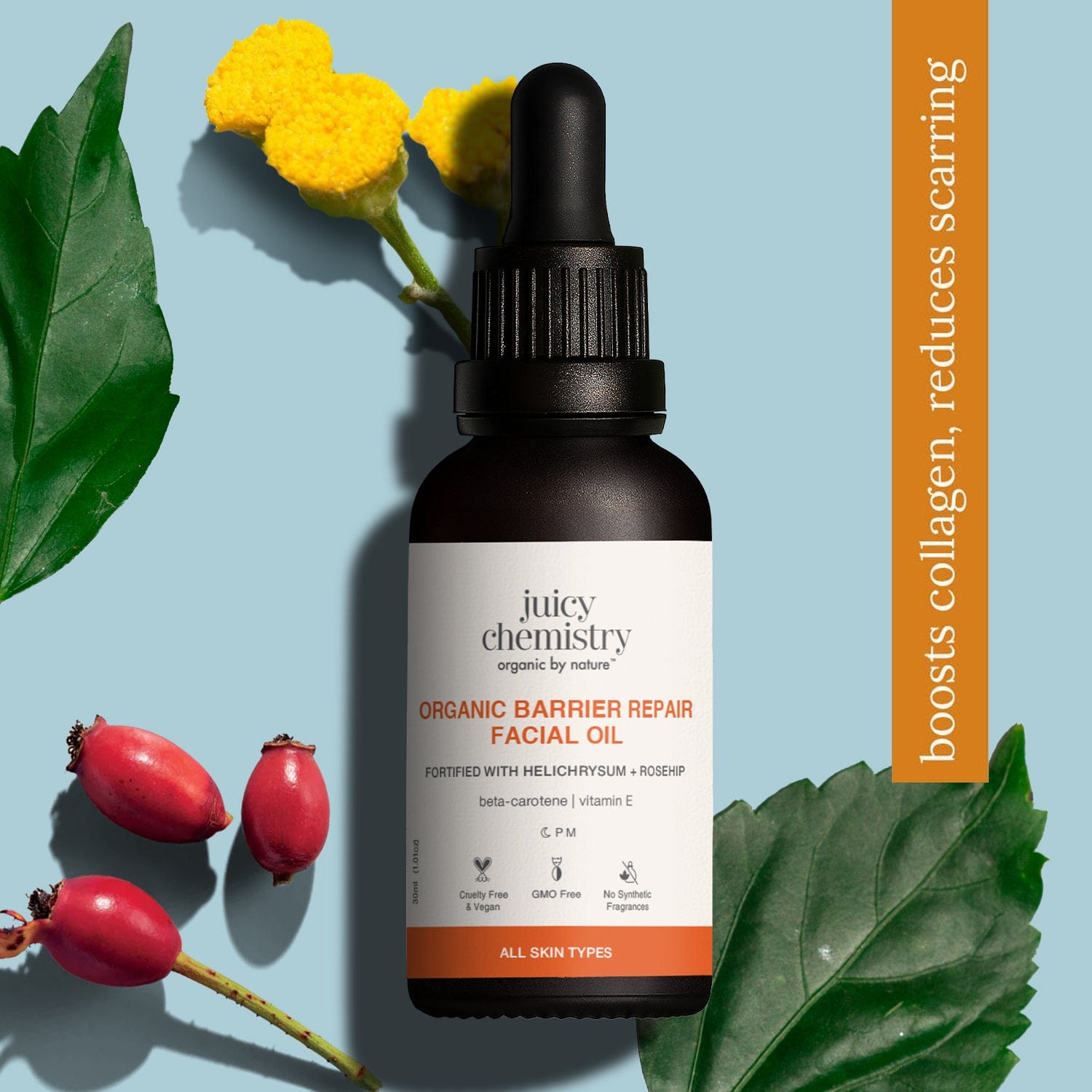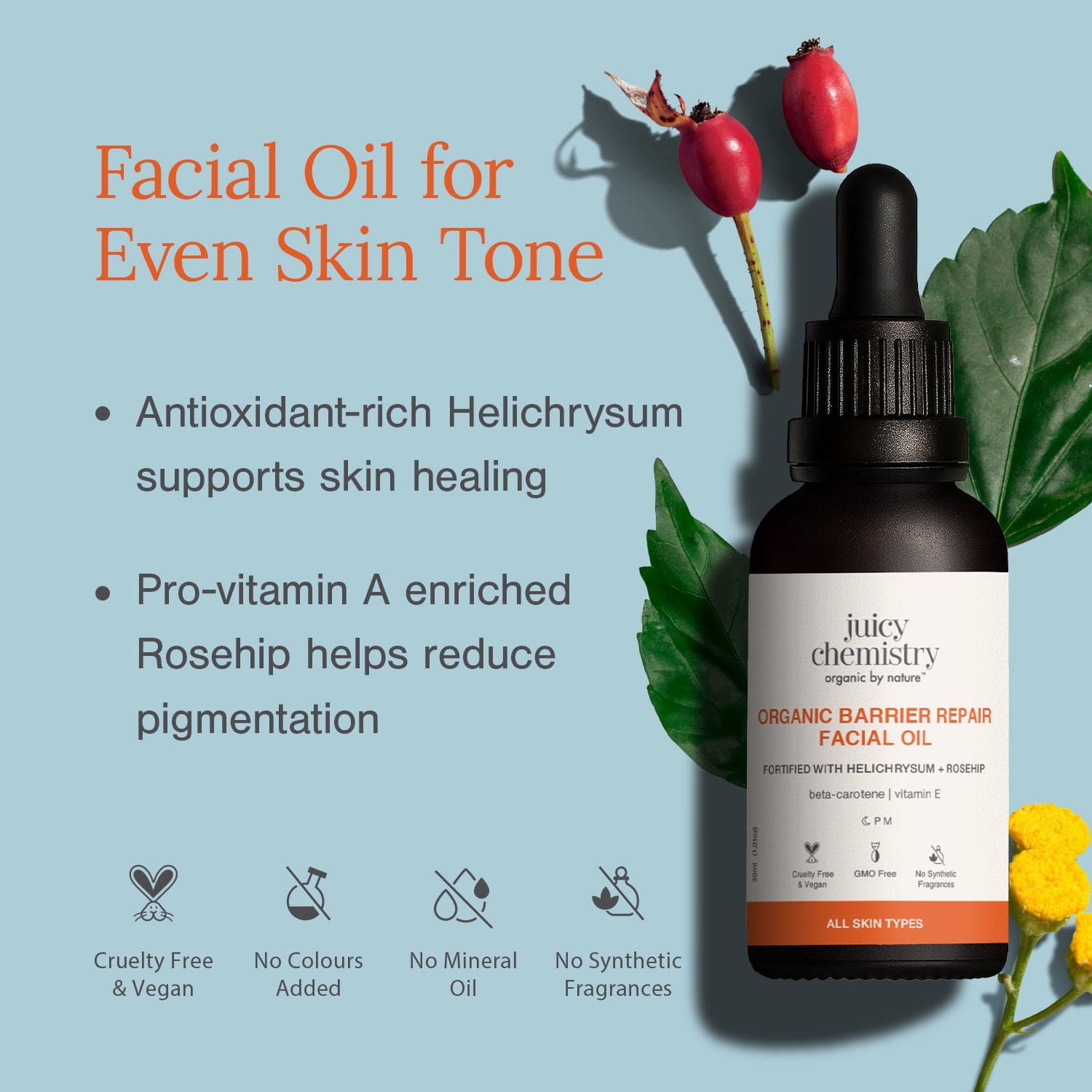
Sustainable Beauty: Clean, Natural & Eco-Friendly Choices
December 23, 2025Every time you reach for your cleanser or dab on a serum, have you ever wondered about the ripple effect of that simple choice? The beauty products we use daily don't just impact our skin, they touch the planet, too. From the ingredients inside the bottle to the packaging that holds them, each decision adds up. Sustainable beauty products offer a way to nurture your skin while respecting the earth, and the shift is easier than you might think.
What Is Sustainable Beauty?
Sustainable beauty means choosing products with minimal environmental impact, focusing on clean, natural, ethically sourced ingredients, and eco-friendly packaging. It's about asking "why" at every step: why these ingredients, why this packaging, why this production method. Unlike conventional beauty products that often rely on synthetic chemicals and excessive plastic, eco-friendly skincare prioritizes renewable resources, reduced waste, and transparency.
Think of it as beauty that cares for both you and the planet. When a brand commits to certified organic ingredients, cruelty-free practices, and recyclable packaging, they're not just making products; they're making a promise to do better.
The Three Pillars of Sustainable Beauty
Ingredients That Matter
Natural beauty products start with what goes inside. Plant-based ingredients like chamomile, green tea, jojoba, and argan oil offer powerful benefits without synthetic chemicals. Organic beauty products take this further by ensuring these botanicals are grown without pesticides or harmful farming practices.
For instance, when you choose a cleanser with rice and wheat protein, you're selecting ingredients that gently exfoliate while being kind to your skin's moisture barrier. The Certified Organic Brightening Enzyme Cleanser harnesses papaya and pineapple enzymes for gentle daily exfoliation, proving that organic formulations can be both effective and earth-friendly.
Packaging With Purpose
Sustainable beauty products reimagine packaging entirely. Refillable containers, recyclable glass bottles, and compostable materials replace single-use plastics. Zero-waste skincare goes even further with solid formats like cleansing bars and powder-to-cream formulas that eliminate bottles.
When brands choose glass over plastic or create airless pumps that minimize product waste, they're thinking beyond just what's inside the bottle. Even seemingly small choices, like using recyclable PET bottles or offering different sizes to reduce shipping emissions, contribute to a lighter environmental footprint.
Production That Protects
Clean beauty products should be made as thoughtfully as they're formulated. This means water conservation through closed-loop systems, renewable energy in manufacturing, and minimized waste at every stage. Waterless formulas, like concentrated serums and oils, reduce the need for preservatives while delivering more potent results.
Fresh production models that create small batches prioritize nutrient potency over shelf stability, ensuring you get the most effective product rather than one sitting in a warehouse for months.


Certified Organic Brightening Enzyme Cleanser Fortified with Rice + Hydrolysed Wheat Protein
View ProductMaking Sustainable Choices in Your Daily Routine
Building a routine with eco-friendly skincare doesn't mean starting from scratch. Small, intentional swaps create meaningful change without overwhelming your current routine or budget.
Morning Essentials
Start with a gentle cleanser that uses natural enzymes rather than harsh surfactants. Follow with a toner that balances your skin's pH, Bulgarian Rose Water is clinically proven to improve skin brightness by 132% while being 99.95% organic. Layer on a brightening serum like the 10% Vitamin C + EGCG Serum, which delivers stable antioxidants without synthetic preservatives.
Never skip sunscreen. India's first certified organic sunscreen, the Moisturising Mineral Sunscreen SPF 40, offers broad-spectrum protection with non-nano titanium dioxide, safe for your family and gentle on marine ecosystems.
What to Look For
Reading labels becomes simpler when you know what matters. Look for third-party certifications like ECOCERT COSMOS, which verify that organic claims are backed by rigorous audits. Transparent ingredient lists using botanical names (not just "fragrance" or "parfum") show a brand respects your right to know what touches your skin. Natural beauty products should list their organic percentages clearly.
Reducing Waste Mindfully
Zero-waste skincare isn't about perfection; it's about progress. Use up what you have before replacing items. Choose multi-use products when possible. When shopping for new items, consider packaging that can be recycled in your area or brands offering take-back programs.
Solid formats and powder-to-cream cleansers last longer, eliminating plastic bottles. Refillable options let you keep the original container and simply replace the inner product, cutting packaging waste significantly.
Why Sustainable Beauty Matters Now
Traditional products often contain synthetic chemicals that wash down drains into waterways, affecting aquatic ecosystems. Unsustainable ingredient harvesting depletes natural resources and harms biodiversity.
Choosing clean beauty products and eco-friendly skincare shifts this pattern. When you support brands using renewable energy, ethical sourcing, and minimal packaging, you're voting with your purchases for a healthier planet.
Organic beauty products also tend to be gentler on sensitive skin. Without harsh sulfates, synthetic fragrances, or parabens, these formulations work with your skin's natural processes rather than against them. You get results without the irritation many conventional products cause.
Your Journey Starts With One Choice
Sustainable beauty isn't about transforming everything overnight. It's about making one mindful choice, then another, building a routine that reflects your values while delivering the results you deserve. Whether you start by switching to a cleanser with natural enzymes, choosing a toner in a glass bottle, or selecting a reef-safe sunscreen for your family, each decision matters.
The promise of sustainable beauty products is simple: what's good for your skin can be good for the earth too. Certified organic ingredients, dermatologically tested formulations, and thoughtful packaging prove you don't have to choose between efficacy and environmental responsibility.
Ready to make the switch? Explore Juicy Chemistry's certified organic range and discover how clean beauty products can transform your routine; naturally, effectively, and sustainably. Because when beauty is organic by nature, everyone wins.
FAQs
How long does it take to see results from organic beauty products?
Most people notice initial improvements within 2-4 weeks, though significant changes typically appear around 6-8 weeks. Natural ingredients work gradually to build long-term skin health rather than providing quick synthetic fixes.
Are sustainable beauty products suitable for sensitive skin?
Yes, absolutely. Clean beauty products, free from synthetic fragrances, sulfates, and parabens, are often gentler and less likely to irritate. Look for dermatologically tested formulas with soothing ingredients like aloe and rose water.
What certifications should I look for in eco-friendly skincare?
Third-party certifications like ECOCERT COSMOS, USDA Organic, and Leaping Bunny (cruelty-free) verify genuine organic and ethical claims. These require rigorous audits of ingredients, sourcing, and production methods.
Can natural beauty products be as effective as conventional ones?
Modern natural beauty products deliver excellent results backed by clinical testing. Stable vitamin C derivatives, plant enzymes, and bioavailable botanicals prove organic formulations can be both gentle and highly effective.
How do I properly dispose of beauty product packaging?
Check your local recycling guidelines for glass bottles and recyclable plastics. Some brands offer take-back programs. When possible, choose refillable containers or products with compostable packaging to minimize landfill waste.