How to Treat Chapped Lips Effectively
February 21, 2026Have you ever experienced that uncomfortable tightness on your lips, followed by flaking and painful cracks? You're not alone. Chapped lips affect millions of people, especially during seasonal transitions when environmental conditions challenge our skin's natural moisture barrier. While many reach for quick fixes, understanding the underlying causes usingand science-backed solutions and following a holistic approach can transform your lip care routine from reactive to preventive.
Understanding Why Lips Get Chapped?
Your lips are uniquely vulnerable. Unlike the rest of your skin, the lip vermilion lacks oil glands, making it incapable of producing its own moisture barrier. This thin, delicate skin is constantly exposed to environmental stressors: cold winds, dry indoor heating, sun exposure, and even the habit of lip-licking that many develop unconsciously.
When saliva evaporates from your lips, it takes existing moisture with it, creating a cycle of dryness. According to dermatological research, the lip barrier becomes compromised when protective lipids break down, leading to transepidermal water loss and inflammation known as cheilitis.
The Gold Standard: Occlusive Protection
The most effective severe dry lips remedy starts with understanding ingredient categories. Occlusives create a physical seal over your skin to lock in moisture. White petroleum jelly remains the dermatologist-recommended favouritefavorite because it forms a protective barrier that prevents moisture loss.
For those seeking plant-based alternatives, look for lip balms containing castor seed oil, shea butter, or beeswax. These natural occlusives offer similar protective properties while adding vitamins and fatty acids that support lip health. The key is consistency, applying your chosen occlusive multiple times daily, especially before bed when overnight repair happens.
Barrier Repair Ingredients
Healing chapped lips fast requires more than surface hydration. Modern formulations incorporate ceramides and dimethicone to actively repair the damaged skin barrier. Research shows these ingredients strengthen cell adhesion, essentially helping your lip cells stick together more effectively to rebuild protection from within.
Essential fatty acids from rosehip seed oil and apricot kernel oil penetrate deeper layers to regenerate cells and boost collagen synthesis. Clinical trials demonstrate that formulations combining these ingredients can improve lip moisturiszation by up to 90% when used two times a day consistently for over 28 days.
The Antioxidant Advantage
Environmental oxidative stress accelerates lip damage and contributes to pigmentation changes. Vitamin E (tocopherol) and vitamin C-rich ingredients like blood orange oil provide antioxidant protection while supporting the skin's natural defense mechanisms.
Studies on herbal lip treatments show that certain botanical extracts increase cellular antioxidant activity through the Nrf2 pathway, helping neutraliseneutralize reactive oxygen species before they cause visible damage.
What to Avoid: The Irritant Checklist
Not all lip products are created equal. When you're trying to get rid of chapped lips, avoid formulations containing:
- Menthol, camphor, or eucalyptus (create false tingling sensation)
- Synthetic fragrances and artificial flavors
- Phenol or salicylic acid (too harsh for compromised lips)
- Long-wear lipsticks with drying alcohol bases
If your lip balm causes any stinging or burning, discontinue use immediately. That sensation indicates active irritation, not effectiveness.


The Prevention Protocol
Cleveland Clinic dermatologists emphasisze that prevention is more effective than treatment. Here's your daily ritual:
- Morning: Apply a nourishing lip balm. Don’t forget to use with SPF 30 or higher containing titanium dioxide or zinc oxide. Reapply every two hours when outdoors.
- Throughout the day: Keep a fragrance-free lip moisturisermoisturizer accessible. Apply after eating, drinking, or whenever your lips feel dry.
- Evening: Before bed, apply a thick ointment layer; this "slugging" technique allows deep overnight hydration without interference.
- Weekly: Gently exfoliate using a soft, damp cloth or natural scrub (only if lips aren't bleeding or severely cracked). Follow immediately with moisturisermoisturizer.
Lifestyle Factors That Matter
The best cure for dry lips extends beyond topical products. Hydration starts internally; drinking adequate water throughout the day supports overall skin moisture. In dry climates or during winter, running a bedroom humidifier adds moisture to the air you breathe while sleeping.
Break the lip-licking habit by applying balm whenever you feel the urge. Avoid holding metal objects like pens or jewelry against your lips, as metal contact can cause irritation and allergic reactions.
When Professional Help Is Needed
If chapped lips persist despite consistent care, or if you notice severe swelling, bleeding, or signs of infection, consult a dermatologist. According to the American Academy of Dermatology, most cases improve within 2-3 weeks with proper treatment. Chronic conditions may indicate underlying issues like angular cheilitis, contact allergies, or even precancerous actinic cheilitis requiring prescription-strength intervention.
Natural Remedies That Work
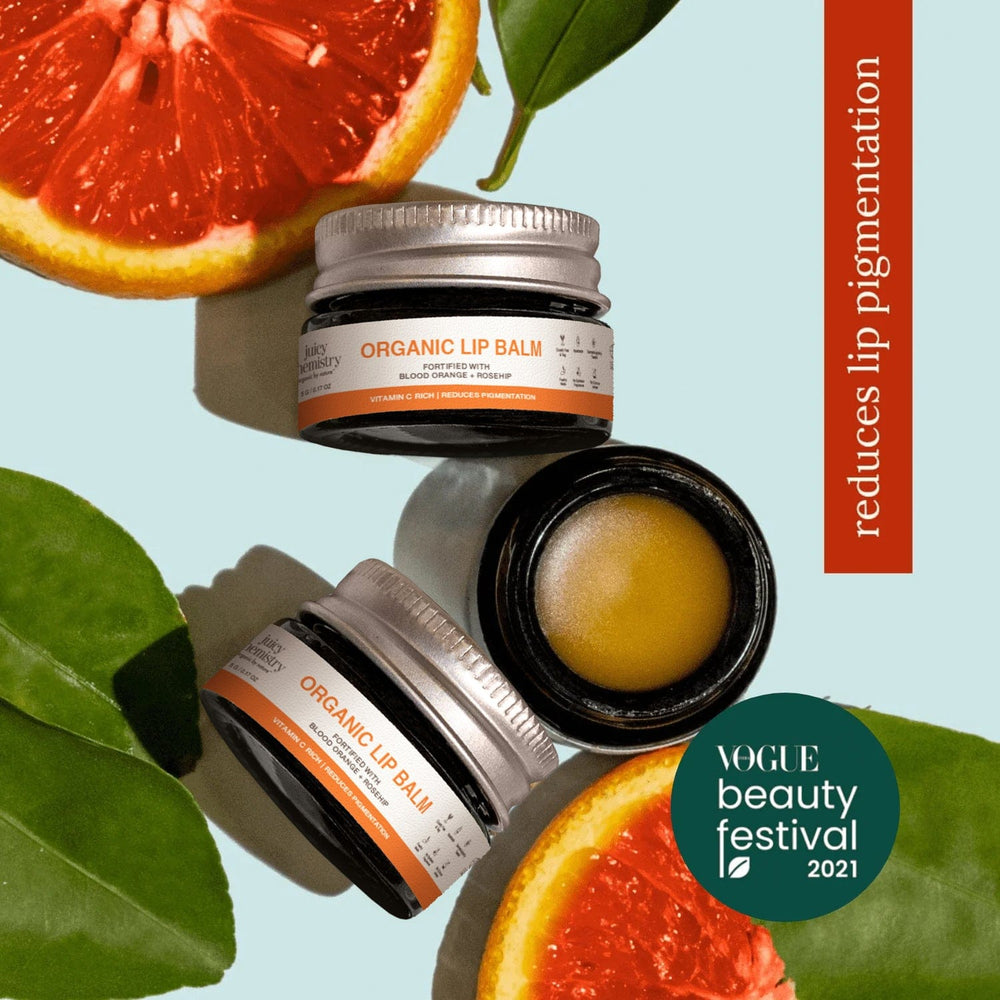
For those seeking gentle, effective solutions, certified organic lip balms offer therapeutic benefits without synthetic additives. Formulations featuring cocoa seed butter for intense hydration, combined with raspberry seed oil's natural antioxidants, provide comprehensive care. Clinical testing shows these combinations can reduce lip pigmentation while healing dryness.
The Blood Orange and Rosehip formulation exemplifies science-backed natural care, delivering functional plant actives without water dilution for maximum potency. Look for products certified by recognized organic standards to ensure ingredient integrity.
Your Path to Healthier Lips
Treating chapped lips effectively combines understanding your unique needs with consistent, science-backed care. Whether you choose petroleum-based occlusives or certified organic alternatives, the principles remain the same: protect, moisturize, and repair.
Remember, your lips deserve the same thoughtful care as the rest of your face. By choosing non-irritating, proven ingredients and maintaining a preventive routine, you can achieve soft, comfortable lips year-round.
Ready to transform your lip care? Explore certified organic solutions that combine traditional botanical wisdom with modern dermatological science. Your lips will thank you.
Frequently Asked Questions
How quickly can I heal severely chapped lips?
With proper treatment using occlusive ointments and avoiding irritants, most people see improvement within 2-3 weeks. For faster results, apply thick petroleum jelly before bed and use fragrance-free balm throughout the day.
Is it better to use lip balm or petroleum jelly for chapped lips?
Both work, but petroleum jelly provides superior occlusive protection for severely damaged lips. Quality lip balms with ceramides and plant oils offer additional barrier-repair benefits while being more convenient for daytime use.
Can natural ingredients treat chapped lips as effectively as synthetic ones?
Yes, clinical research shows that natural occlusives like castor seed oil, shea butter, and beeswax provide comparable moisture-sealing benefits. When combined with vitamin-rich oils, they may offer additional antioxidant and healing properties.
Why do my lips get worse when I use certain lip balms?
Some ingredients like menthol, synthetic fragrances, or phenol can irritate sensitive lip skin, creating a cycle of damage. If your balm stings or burns, switch to a fragrance-free, hypoallergenic formula with simple, proven ingredients.
How often should I apply lip balm for chapped lips?
Apply whenever your lips feel dry, typically 4-6 times daily at a minimum. Always reapply after eating or drinking, and use a thick layer before bed for overnight repair.