How Rosemary Oil & Blackseed Oil Help With Hair Growth and Flaky Scalp?
February 19, 2026Have you noticed more strands on your brush lately? Or perhaps your scalp feels uncomfortably tight and flaky as the seasons shift? You're certainly not alone. Spring's warmer days often bring unexpected changes to our hair and scalp, leaving many of us wondering which oil to use for hair growth and how to tackle that persistent flakiness.
Here's the good news: two time-tested botanical ingredients, rosemary oil and black seed oil, offer a natural approach to supporting healthier hair and a comfortable scalp. Let's explore how these plant-powered solutions work and how you can weave them into your routine.
Why Are We Talking About These Two Oils?
Rosemary and black seed oil aren't discoveries; they've been treasured in traditional wellness practices for centuries. What's changed is our understanding of why they work. Modern research has caught up with ancient wisdom, revealing the science behind these botanical benefits.
Think of rosemary oil as your scalp's personal trainer; it helps create an environment where hair can thrive. Black seed oil, on the other hand, acts more like a soothing balm, calming irritation while deeply nourishing from root to tip. Together, they address both growth support and scalp comfort without overwhelming your system.
What Does Rosemary Oil Actually Do for Your Scalp?
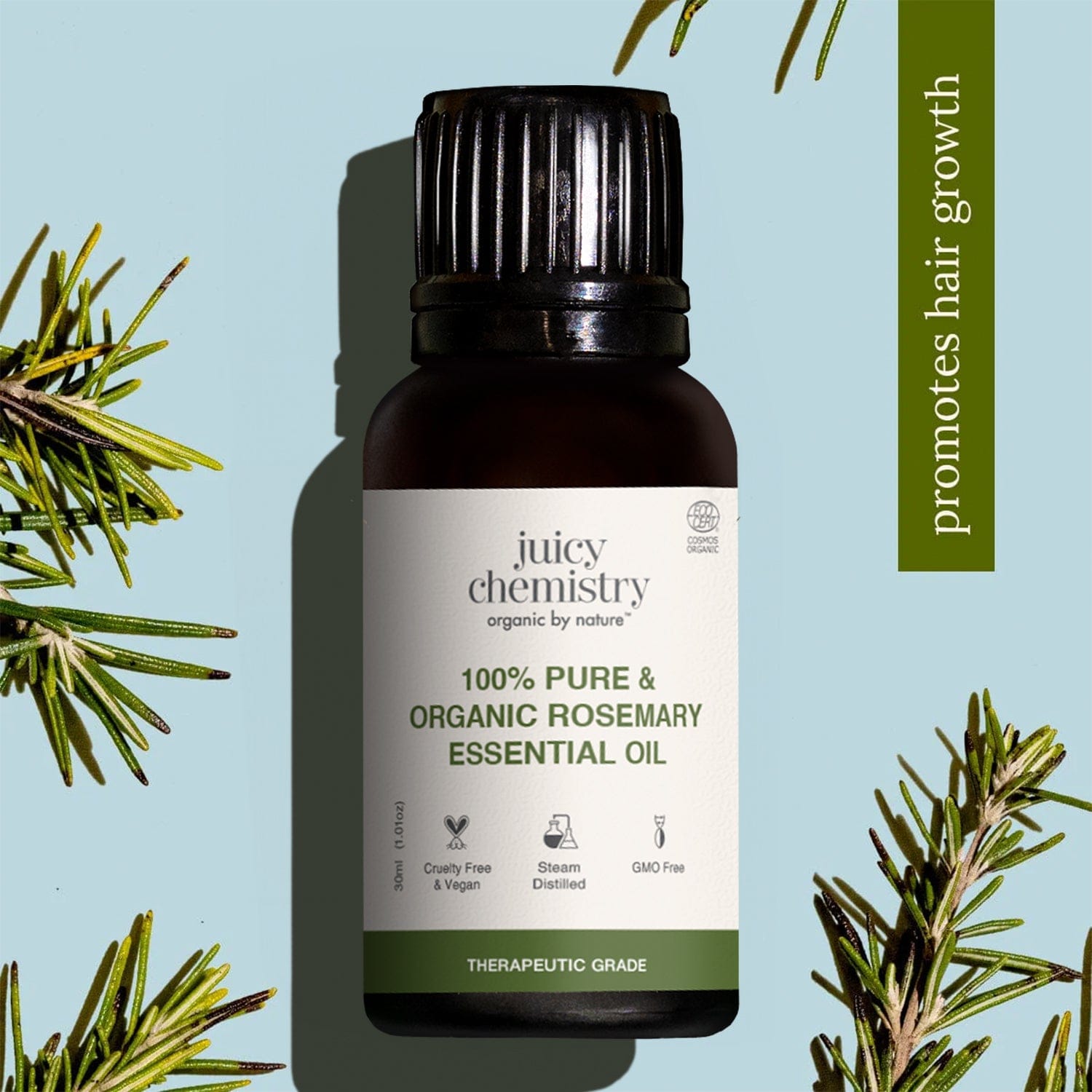
Let's talk about putting rosemary oil on the scalp. Research comparing rosemary oil to 2% minoxidil found comparable results in supporting hair count over six months, with a bonus of less scalp itching. Not bad for a kitchen herb turned beauty ingredient.
The magic lies in carnosic acid, a compound in rosemary that may support healthy scalp circulation. When blood flow to your scalp improves, hair follicles receive more nutrients and oxygen, creating conditions where hair naturally thrives. According to dermatological research at the Cleveland Clinic, rosemary's antioxidant and anti-inflammatory properties make it particularly gentle for sensitive scalps.
Here's something interesting: Rosemary may work as a natural DHT supporter, potentially helping maintain the hair growth cycle. While research continues, early findings suggest it creates favorable conditions for follicular health.
Can I Apply Rosemary Oil Directly to My Scalp?
Short answer: Dilution is your friend. Pure rosemary essential oil can irritate when applied undiluted; nobody wants that. Here's how to use rosemary oil on the scalp the right way:
The Overnight Treatment: Apply your diluted oil blend directly to your scalp, focusing on areas that need extra attention. Massage gently using circular motions for 5-10 minutes (this feels wonderful and boosts circulation). Leave it on overnight, giving those botanical ingredients time to work their magic while you sleep.
The Quick Fix: Not ready for an overnight commitment? A 30-minute treatment still delivers benefits. Apply to a clean, slightly damp scalp for better absorption.
The Consistency Secret: As dermatologists note, results typically appear after several weeks of consistent use. Think of it like going to the gym, 2-3 applications weekly work better than sporadic intensive treatments.
What Makes Black Seed Oil Different?
Black seed oil (also called kalonji oil) carries an impressive legacy from Mediterranean and Asian wellness traditions. Contemporary research highlights its rich composition of thymoquinone, essential fatty acids, and antioxidants, a powerful combination for scalp health.
For treating flaky scalp concerns, black seed oil's anti-inflammatory and antimicrobial properties address the root causes of irritation and dandruff-like conditions. Clinical studies show that topical application of black seed oil formulations significantly reduced scalp scaling and discomfort over 28 days.
The high linoleic and oleic acid content provides deep nourishment without feeling heavy, perfect for those dealing with both dryness and occasional flakiness (a frustrating combination many of us know too well).
Which Oil Combinations Work Best for Hair Growth and Flaky Scalp?
Here's where it gets interesting. The question isn't "rosemary or black seed oil?", it's about understanding how they complement each other.
Rosemary excels at invigorating your scalp environment, while black seed oil provides sustained nourishment and calms irritation. When combined with functional botanicals like pumpkin seed oil (a natural DHT blocker) and jojoba oil (which mimics the scalp's natural sebum), you get a comprehensive approach to scalp wellness.
Research on combined botanical formulations shows that multi-ingredient approaches often yield more consistent results than single-ingredient solutions. Each component serves a distinct purpose without redundancy.
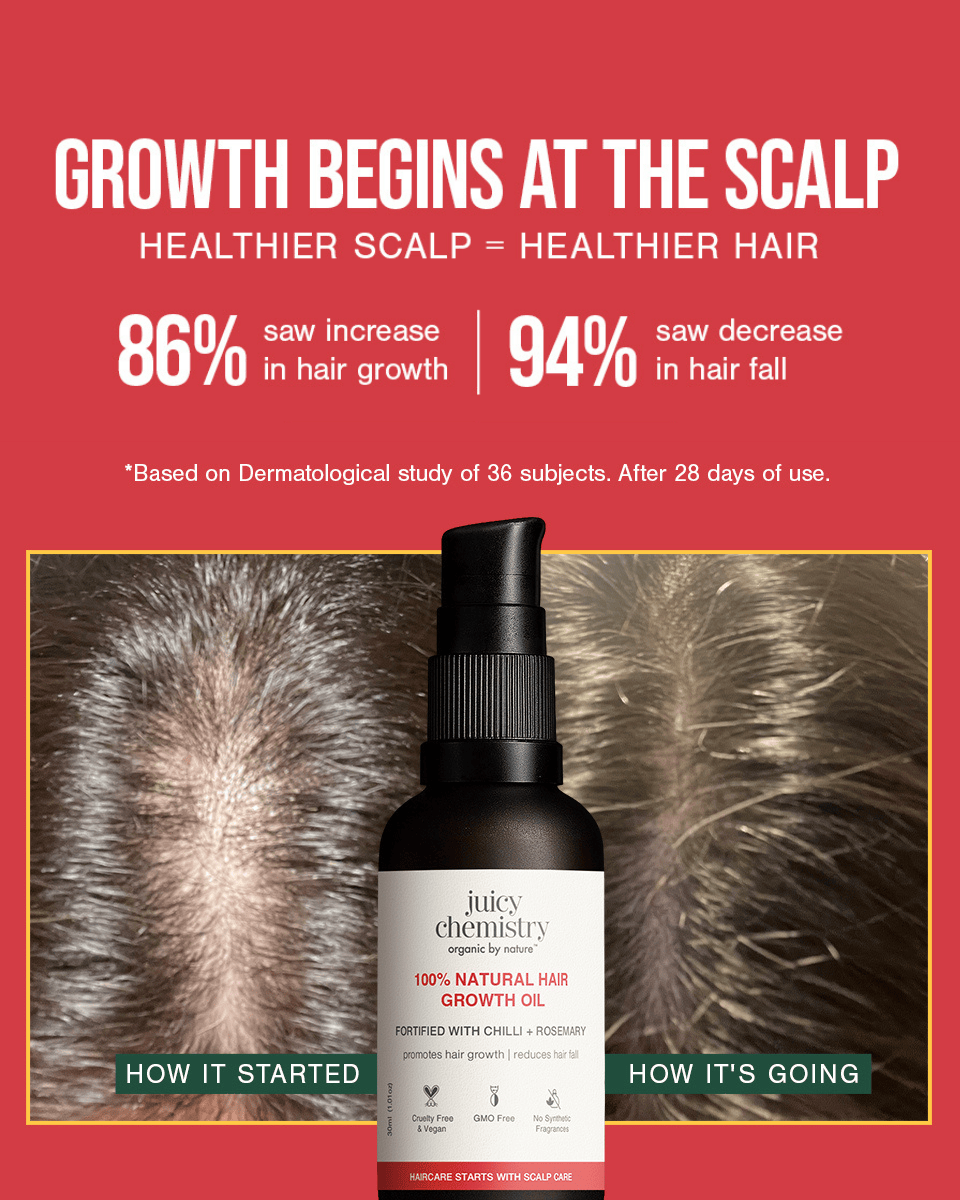
If you're looking for a ready-made solution, this natural hair growth oil combines rosemary with black seed oil and other functional botanicals in a lightweight formula. Prefer customizing? Pure organic black seed carrier oil lets you create your own blend at home.
What Else Affects Your Hair and Scalp?
Let's be honest, no oil will work miracles if other factors aren't aligned. Think of topical treatments as one player on your wellness team. Here's what else influences hair health:
Seasonal temperature swings can trigger increased sebum production or unexpected dryness. Your scalp might need lighter formulations as the weather warms. Pay attention to how it feels.
Hair follicles require specific nutrients, particularly iron, zinc, biotin, and omega-3 fatty acids. No topical treatment fully compensates for nutritional gaps. Focus on whole foods rich in these nutrients alongside your scalp care routine.
Chronic stress affects hair growth cycles through hormonal pathways. Those meditation apps aren't just trendy; stress management genuinely complements topical treatments.
Hair follicles follow circadian rhythms. Consistent sleep patterns support the natural growth and repair processes happening during rest. Late-night scrolling? Your hair might be paying for it.
What Should You Realistically Expect?
Botanical oils work with your body's natural processes rather than forcing dramatic overnight changes. Here's a realistic timeline:
Initial improvements in scalp comfort and reduced flakiness may appear within 2-4 weeks. That tight, itchy feeling should ease first. Visible changes in hair density typically require 8-12 weeks of consistent use. This aligns with the natural hair growth cycle, where follicles spend most time in the growth phase.
Hair grows approximately 1-1.5 cm monthly under optimal conditions. Supporting this phase requires patience and consistency. No shortcuts here, but the results are worth the wait.


How Do You Choose Quality Oils?
Not all bottles labeled "rosemary" or "black seed" deliver the same benefits. Here's what actually matters:
-
Source and Processing: Cold-pressed oils retain more beneficial compounds than heat-extracted versions
-
Organic Certification: Third-party certification, like ECOCERT COSMOS, ensures ingredient purity and sustainable sourcing
-
Formulation Transparency: Complete ingredient disclosure helps you understand exactly what you're applying
-
Dermatological Testing: Products tested for safety and irritation provide confidence, especially for sensitive scalps
Making It Work in Your Routine
Start by assessing your current hair washing frequency. Daily washer? Begin with twice-weekly oil treatments. Wash 2-3 times weekly? Apply oils between washes. The goal is to support your scalp without disrupting its natural balance.
After oil treatment, use a gentle, sulfate-free cleanser to remove residue without stripping natural oils. Follow with minimal styling products, let your scalp maintain those botanical benefits.
FAQs
Can rosemary oil cause initial shedding?
Some people notice temporary shedding when starting scalp treatments. This often represents the natural cycle where older hairs make way for new growth, typically resolving within 2-3 weeks.
Should I use rosemary oil daily for faster results?
Not necessarily. 2-3 applications weekly allow proper absorption while giving your scalp time to respond. More isn't always better when it comes to scalp care.
Can I mix black seed oil directly with rosemary essential oil?
Yes, but maintain proper dilution, typically 3-5 drops of rosemary essential oil per tablespoon of carrier oil like black seed oil.
Will these oils work for genetic hair concerns?
While botanical oils cannot alter genetic factors, they may support overall scalp health and create favorable conditions for existing follicles. Combined approaches, including nutrition and stress management, yield the best outcomes.
How long should I leave the oil on before washing?
Minimum 30 minutes for basic benefits, overnight for deeper treatment. The oils should feel absorbed rather than sitting heavily on your scalp.